

Product Introduction
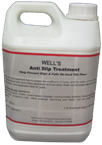
Product Introduction
Well's anti-slip treatment is widely used in Europe, USA and Japan. It creates micro-suction on stone and tile surfaces - invisible pits that increase Coefficient of Friction (COF). After application and thorough rinsing with water, the surface immediately gains unique anti-slip properties. The change is invisible to the eye. Especially effective when surfaces are wet.
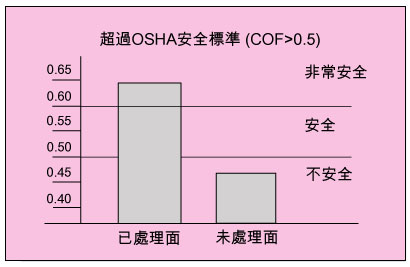
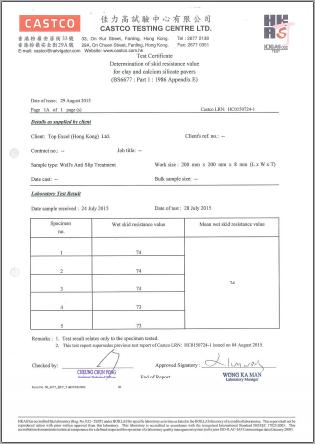
Significantly increases COF and safety on wet surfaces, reducing slip-and-fall accidents.
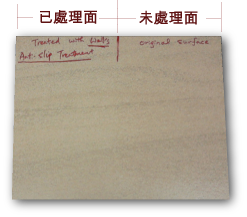
Does not change appearance, colour or texture after application.
Product Principle
-
Well's treated surfaces form nano-level micro-suction texture, invisible to the eye with no noticeable texture change. These suction points create anti-slip effect in wet conditions.
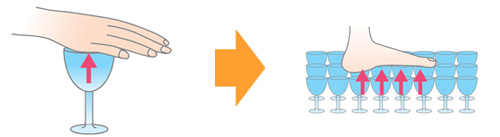
-
Well's treated surfaces form nano-level micro-suction texture, invisible to the eye with no noticeable texture change. These suction points create anti-slip effect in wet conditions.
Applicable Areas
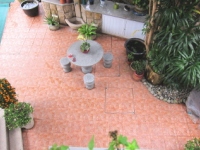
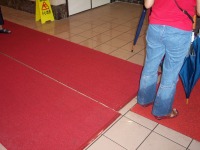
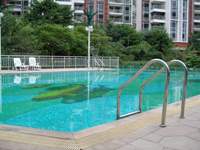
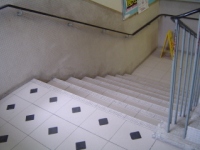
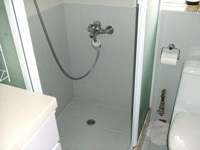
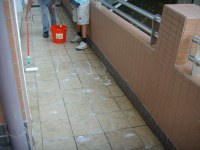
Application Guide
1. Pre-set treatment time. Test on inconspicuous area first.
2. Clean floor of dust, stains, oil, wax. Wipe dry or air dry.
3. Apply anti-slip agent evenly, quickly and generously.
4. Keep applying throughout. Ensure floor stays evenly wet. No dry spots.
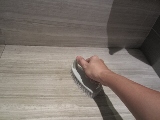
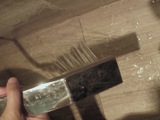
5. At end of treatment time, apply alkaline neutraliser or scrub with water and brush until no more bubbles.
6. Remove residual water with rubber squeegee or wet vacuum.
7. Verify anti-slip effect. Have client representative confirm on site.
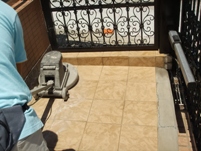
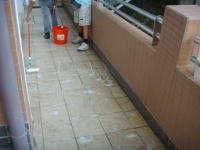
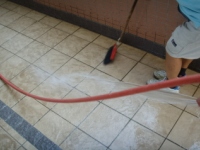
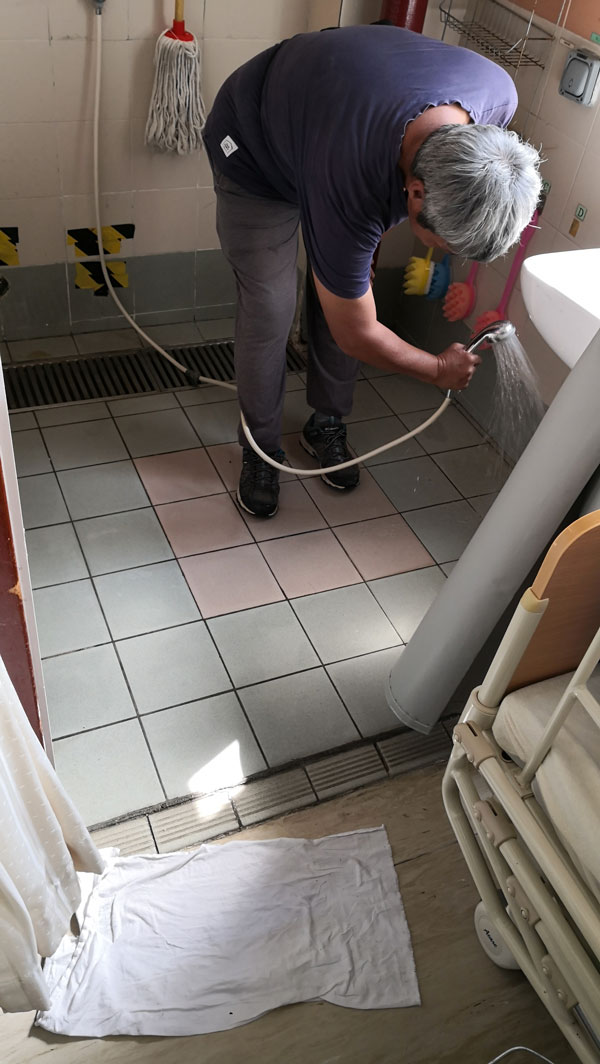
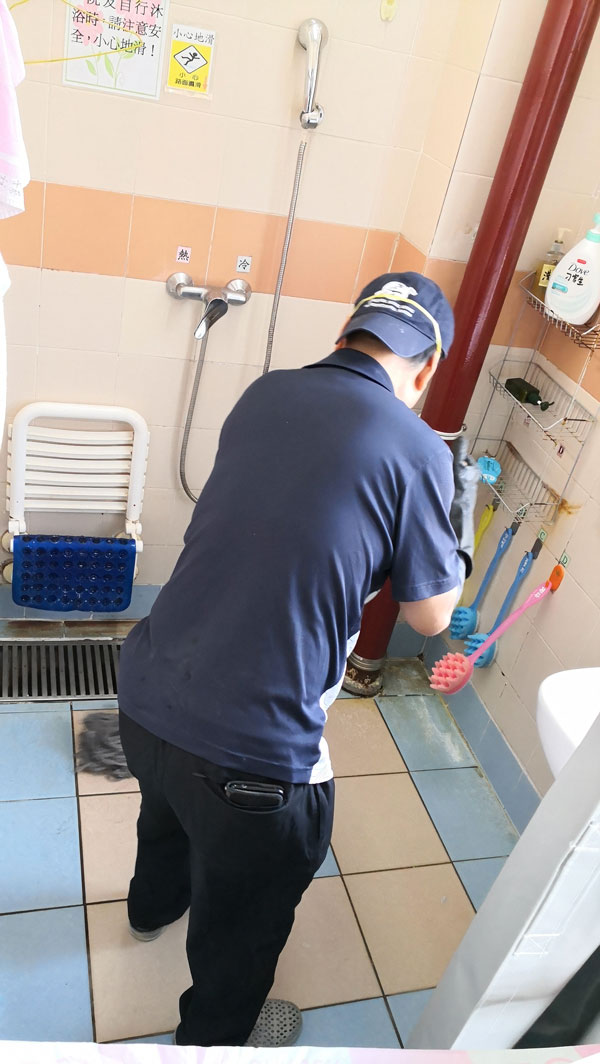
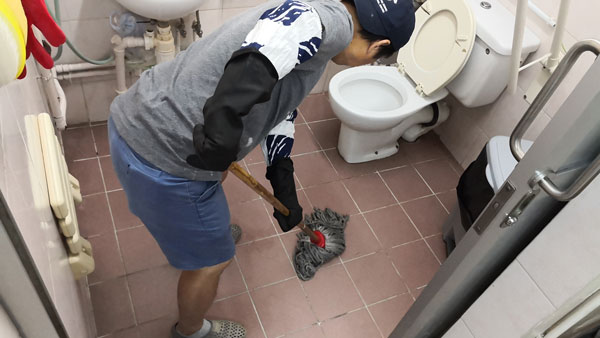
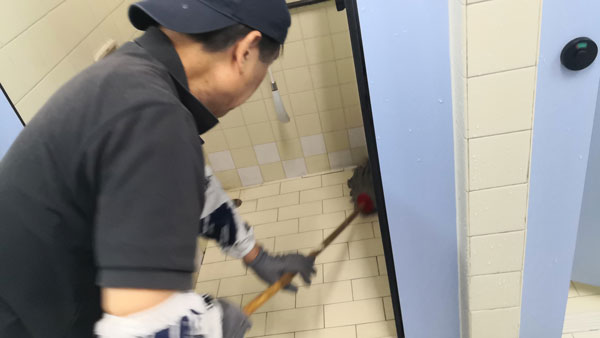
Case Studies
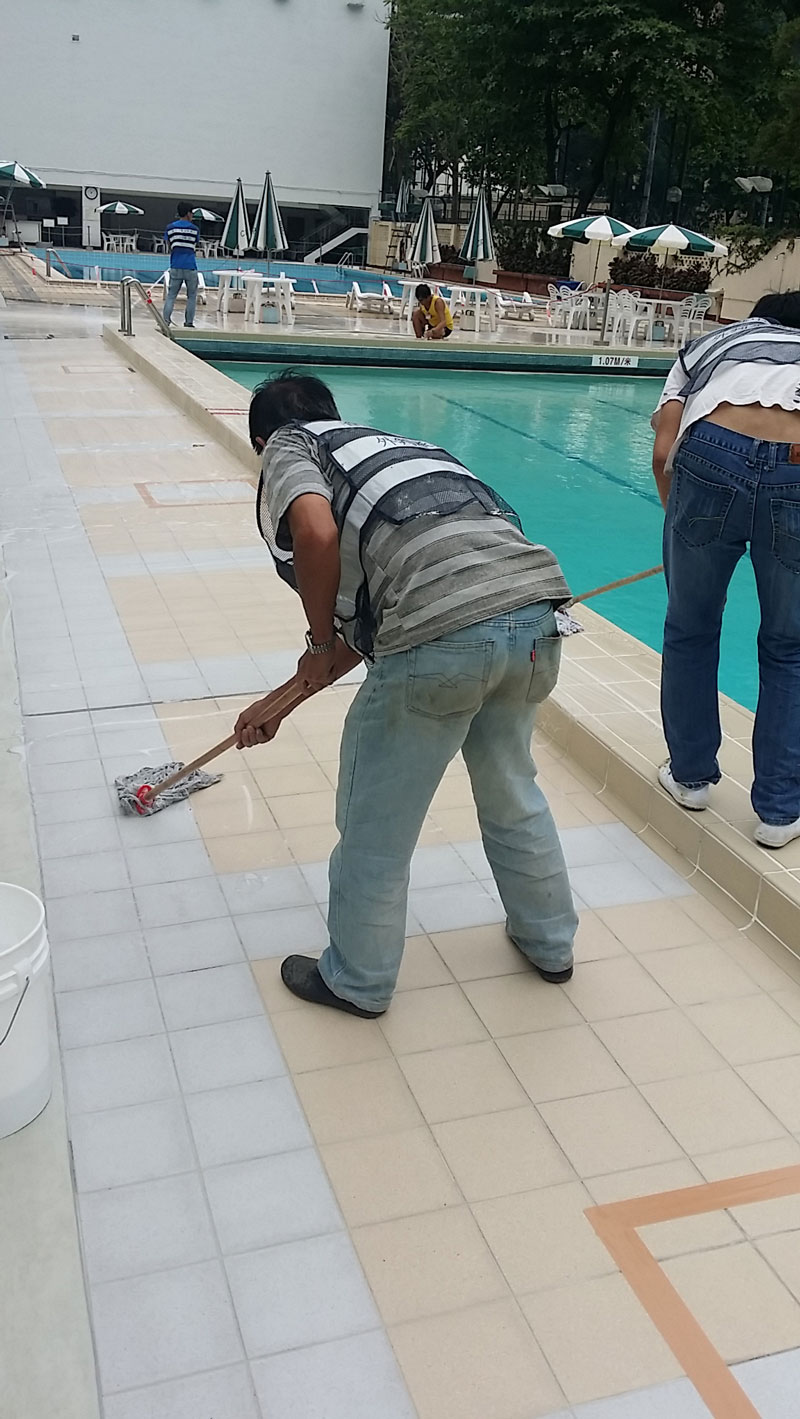
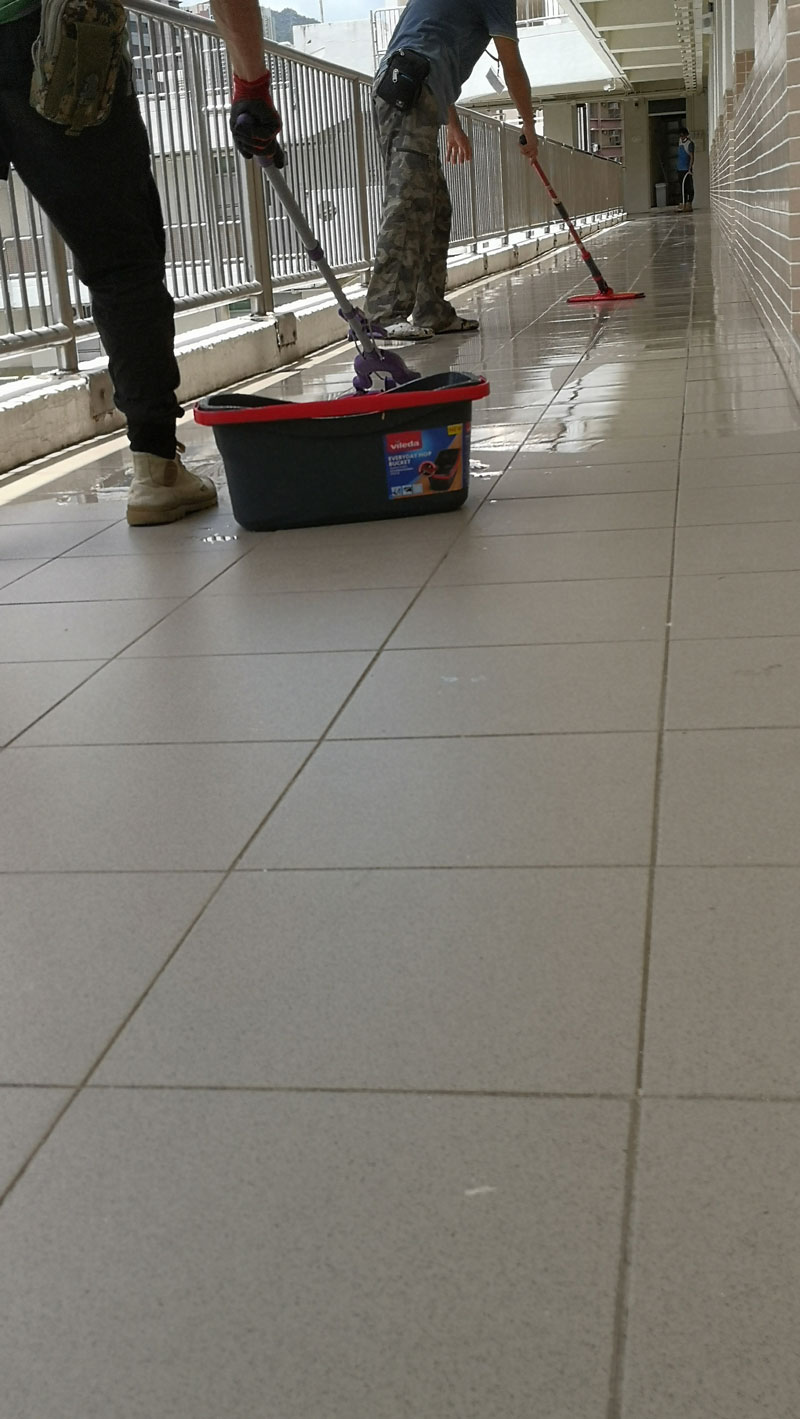
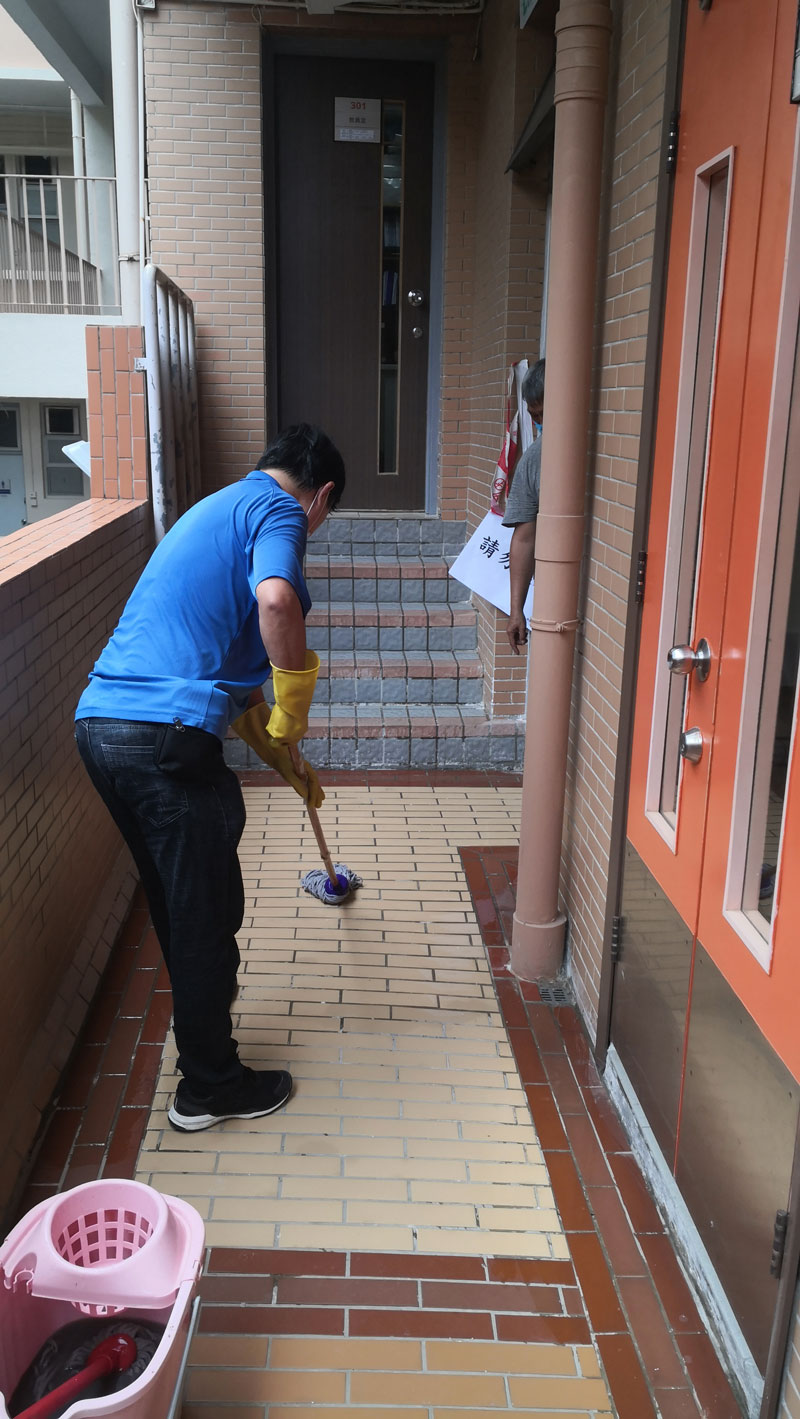
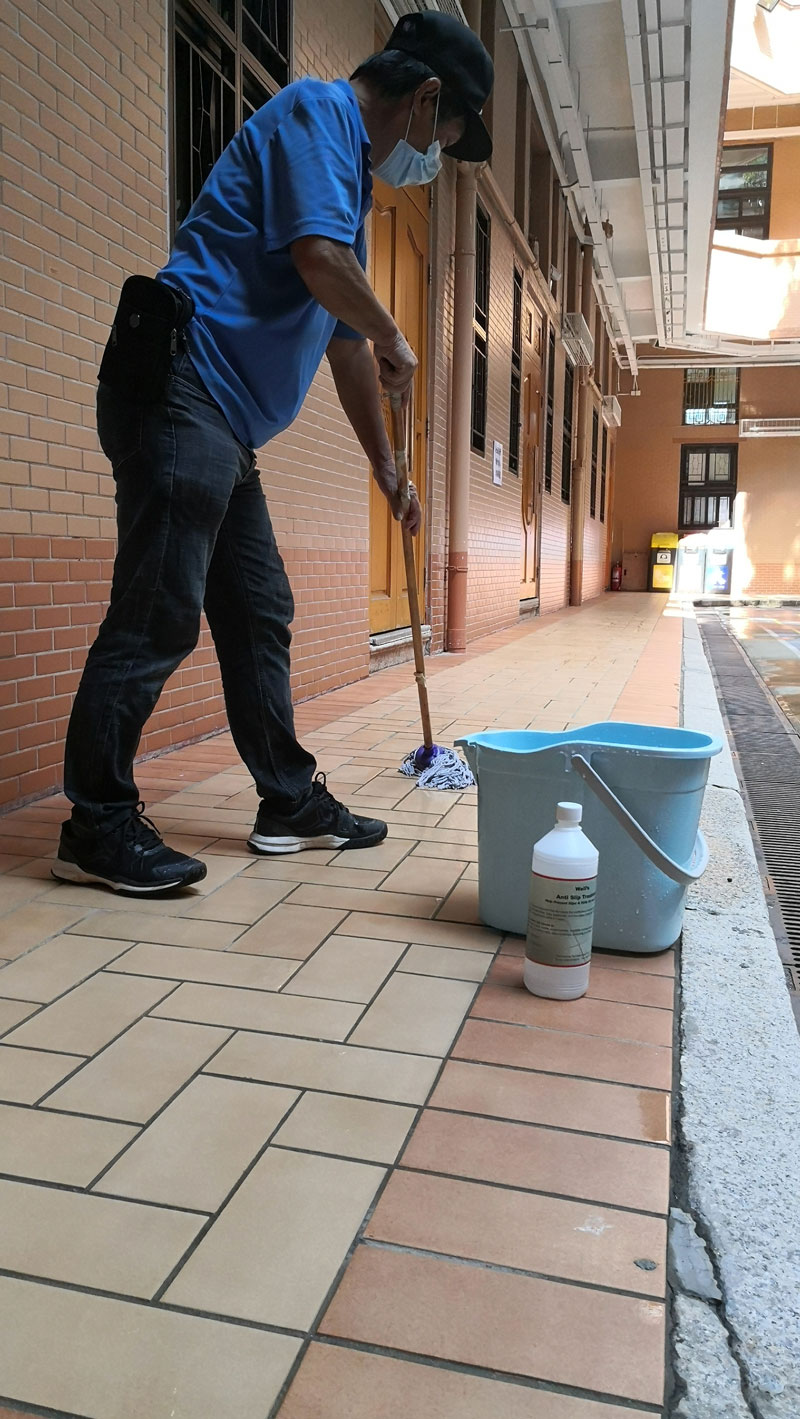
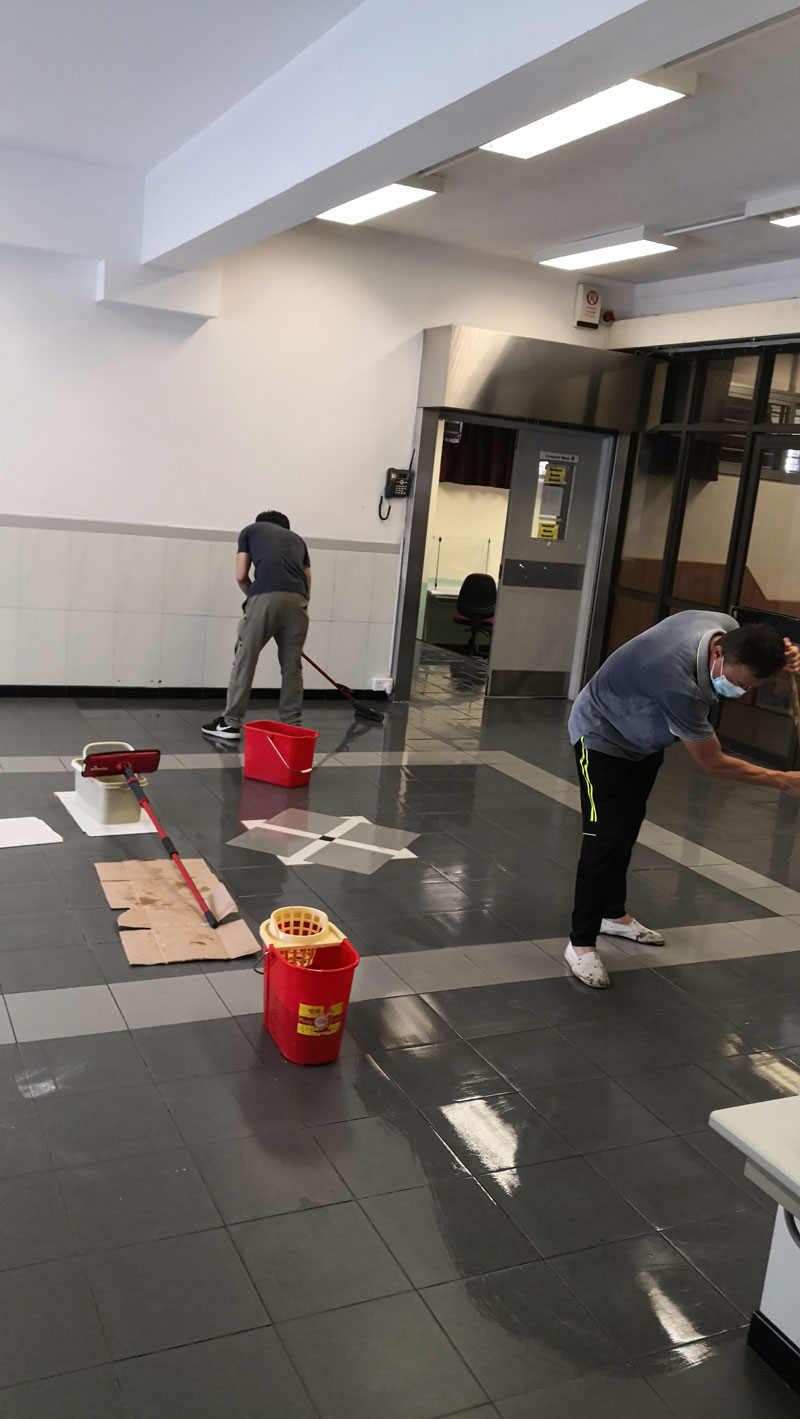
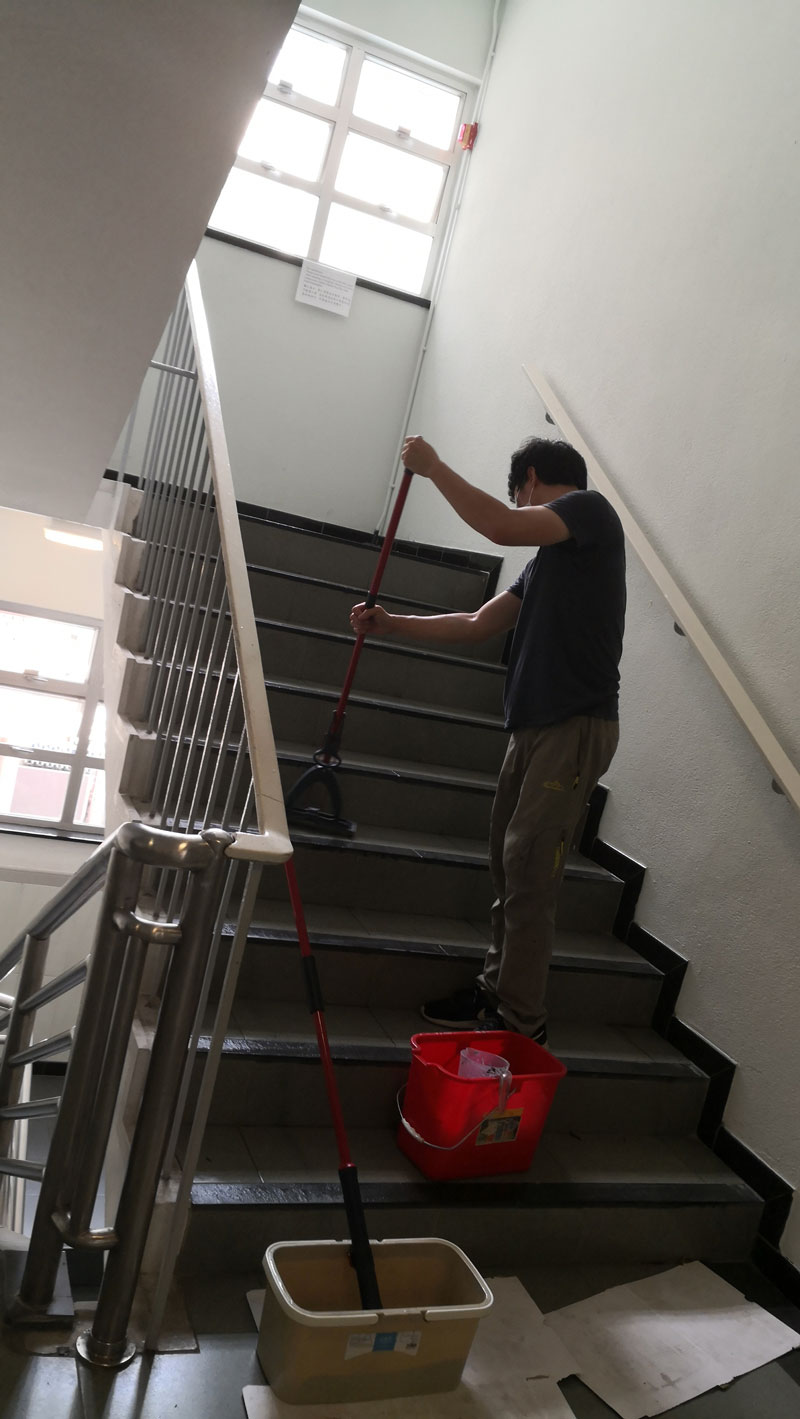
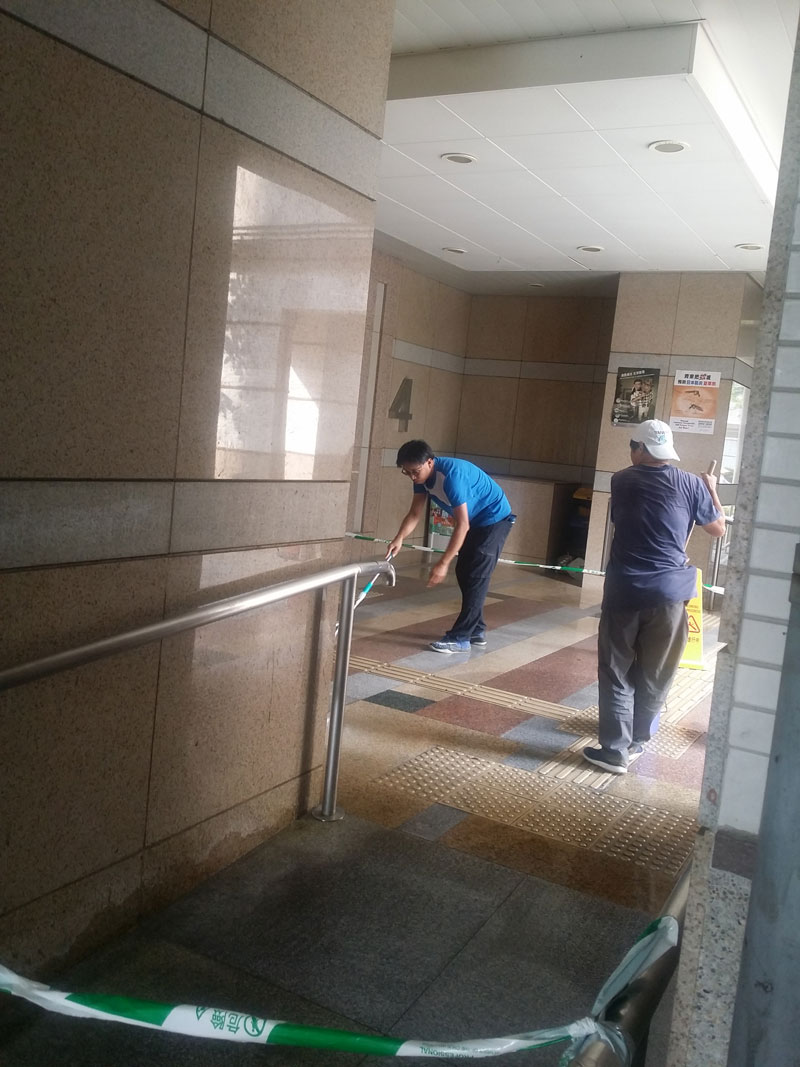
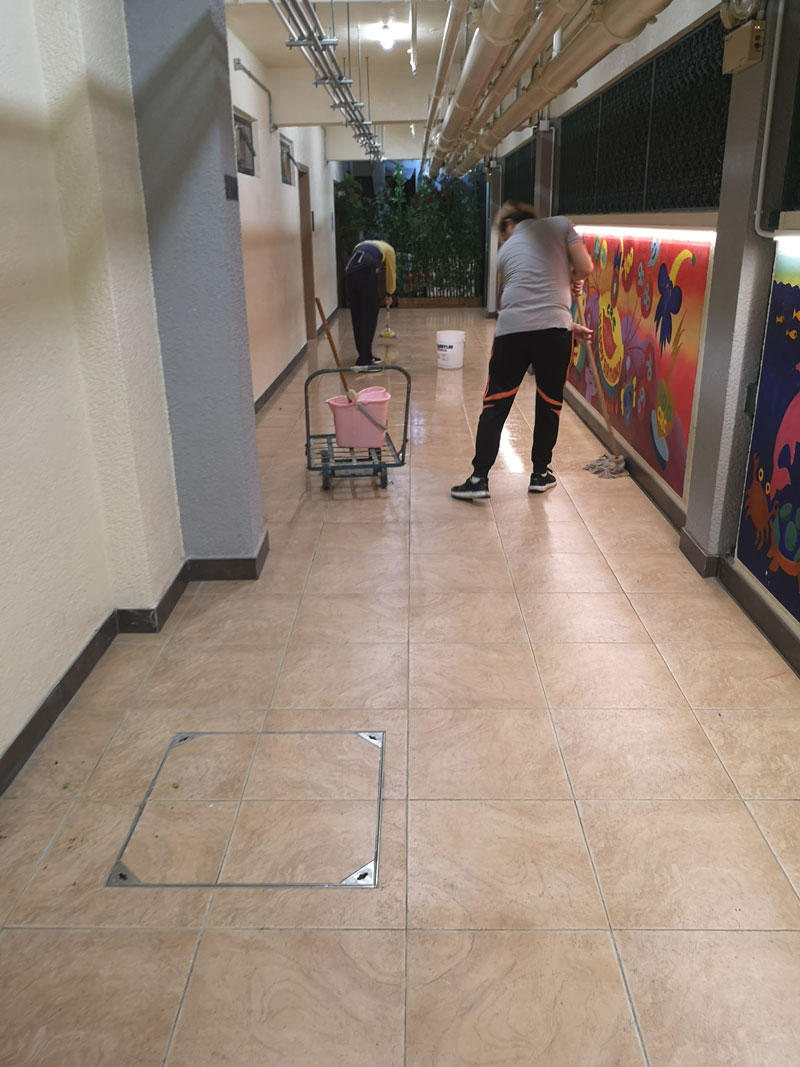
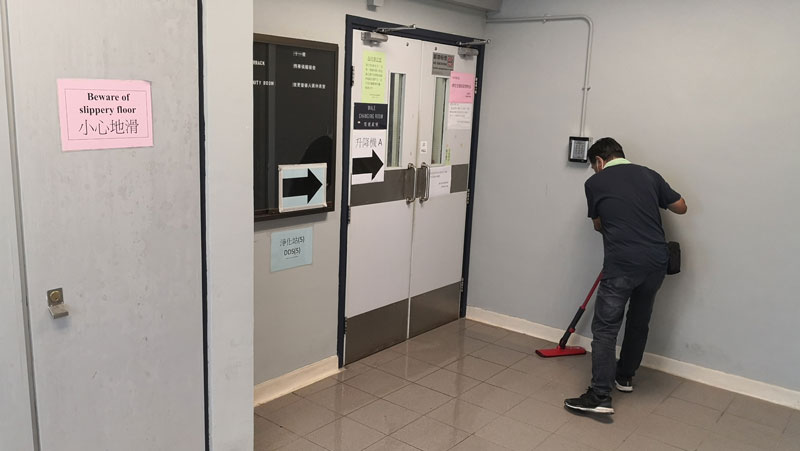
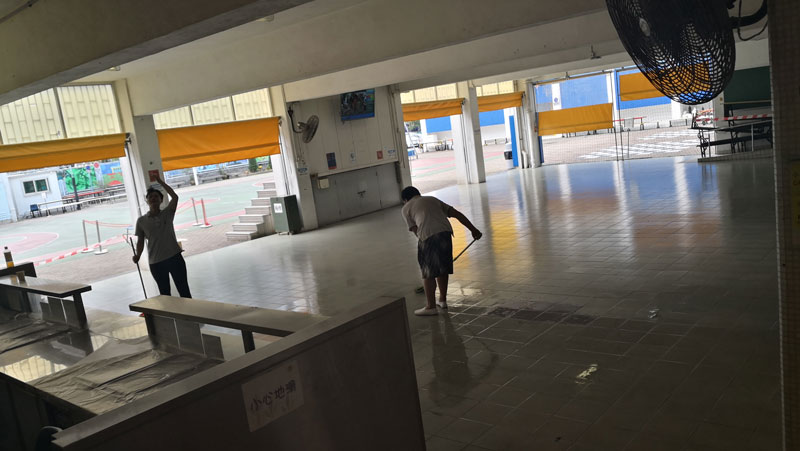

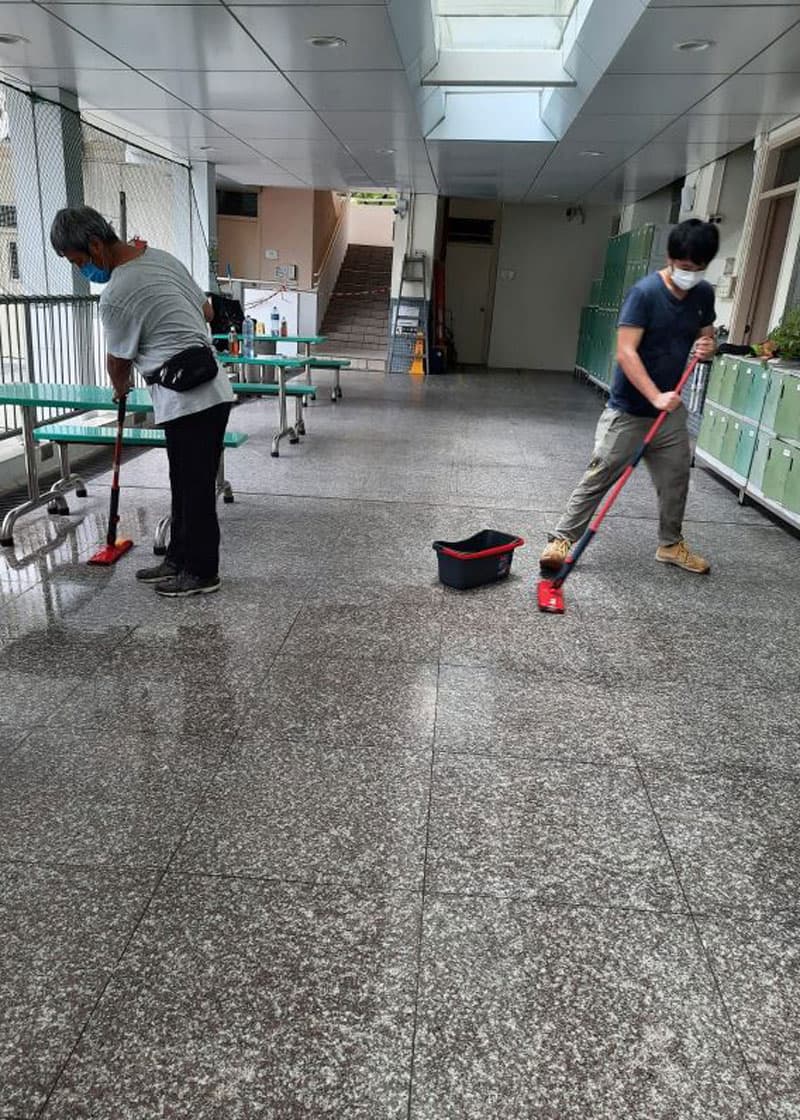
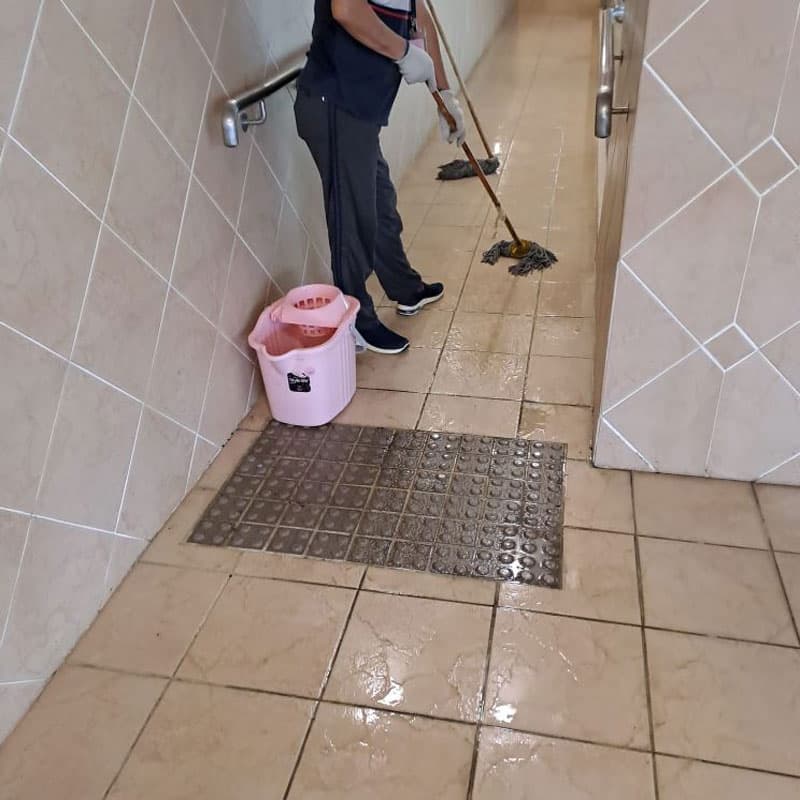
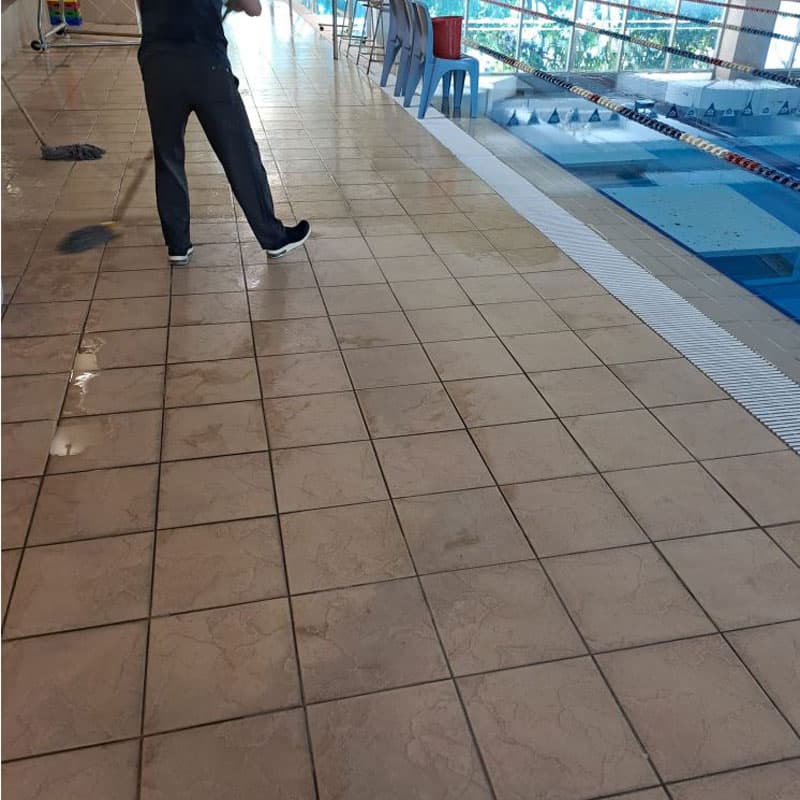
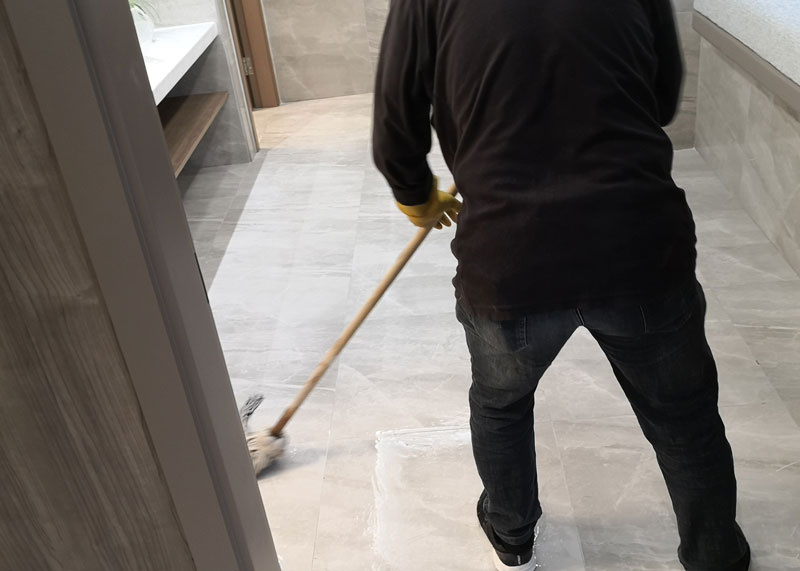

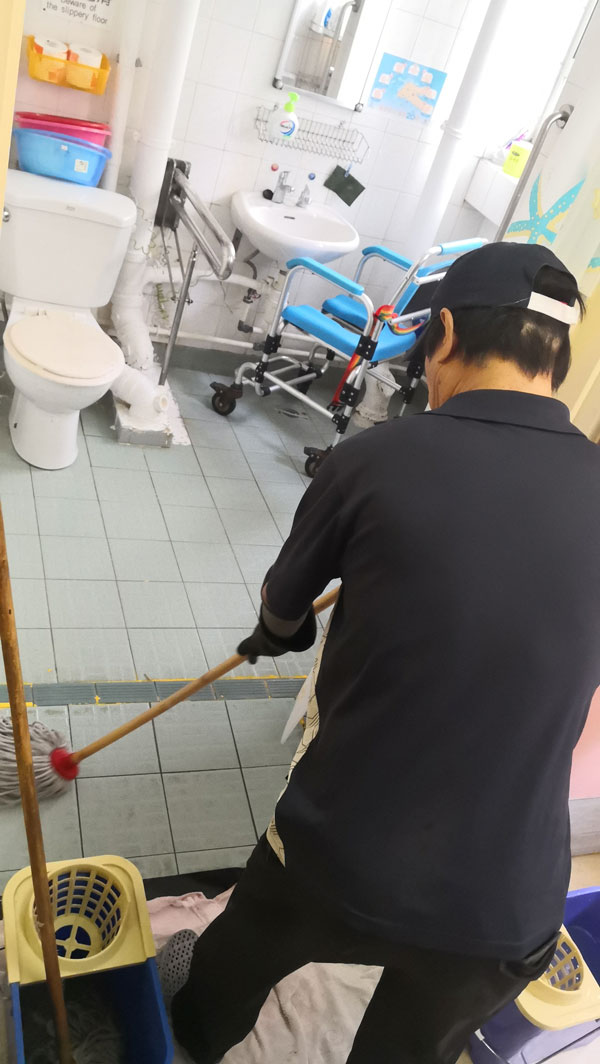
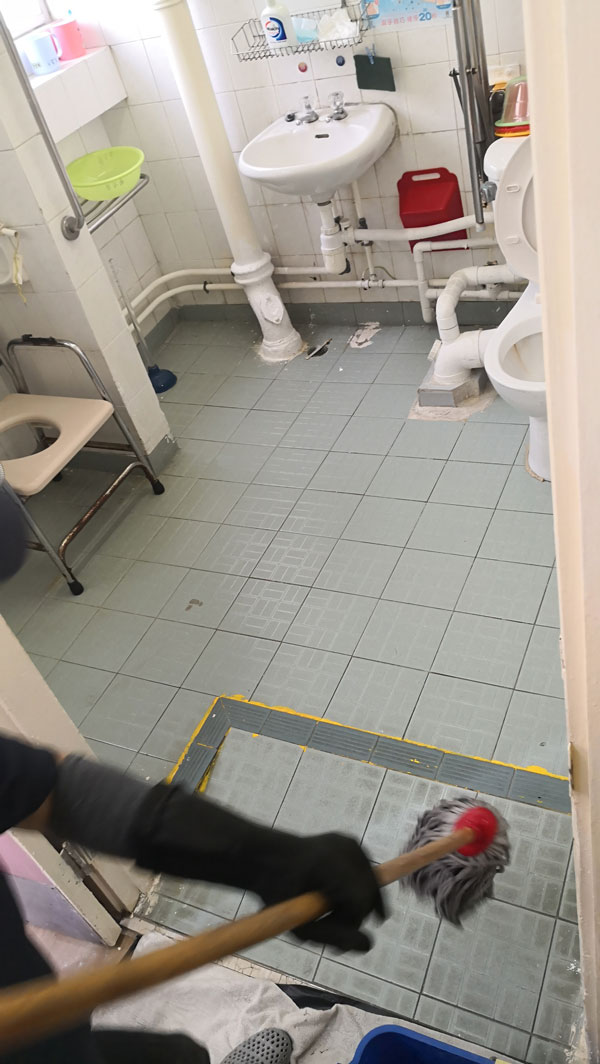
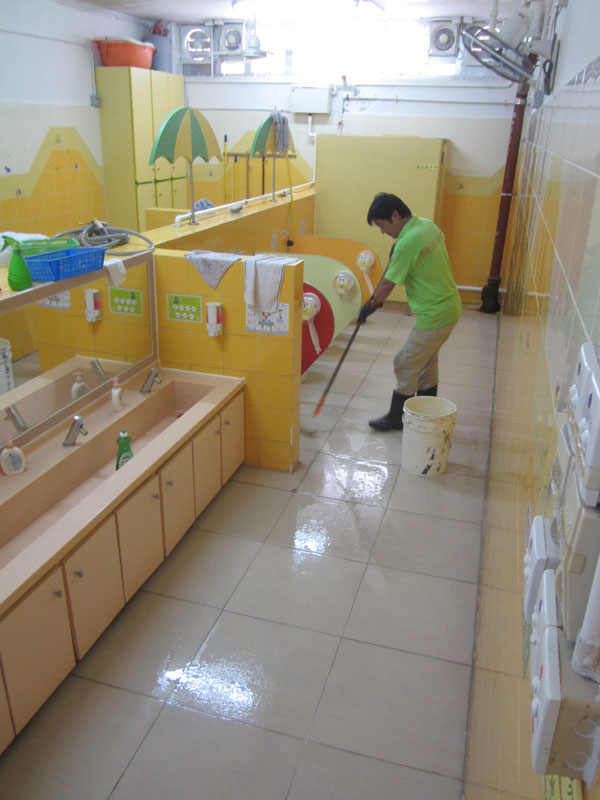
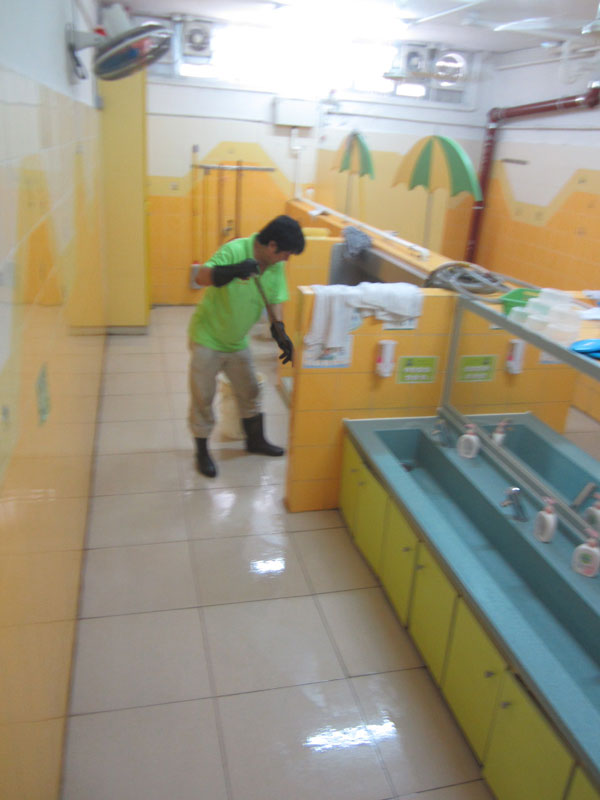

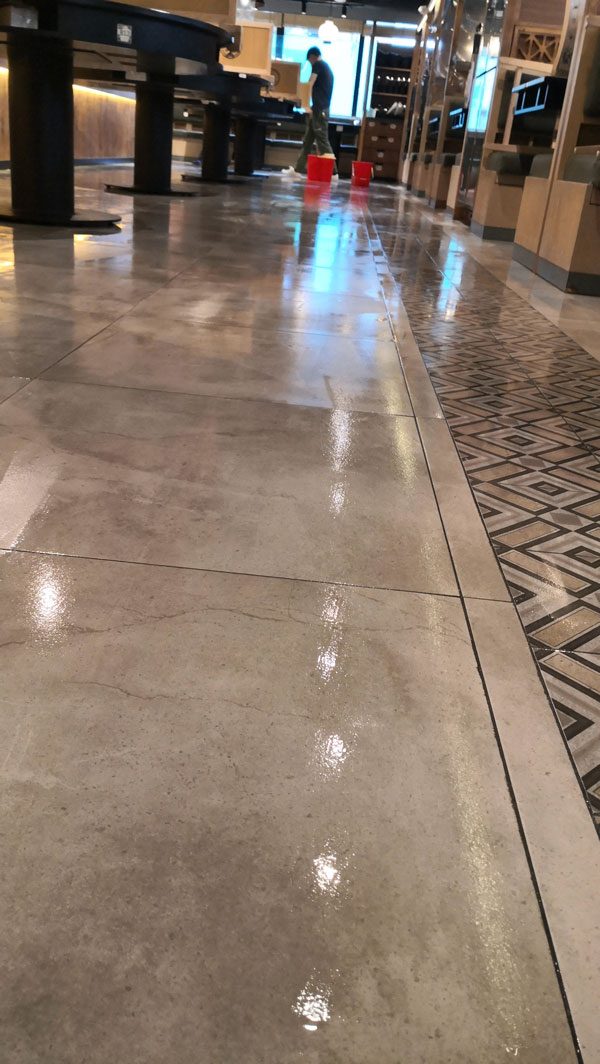
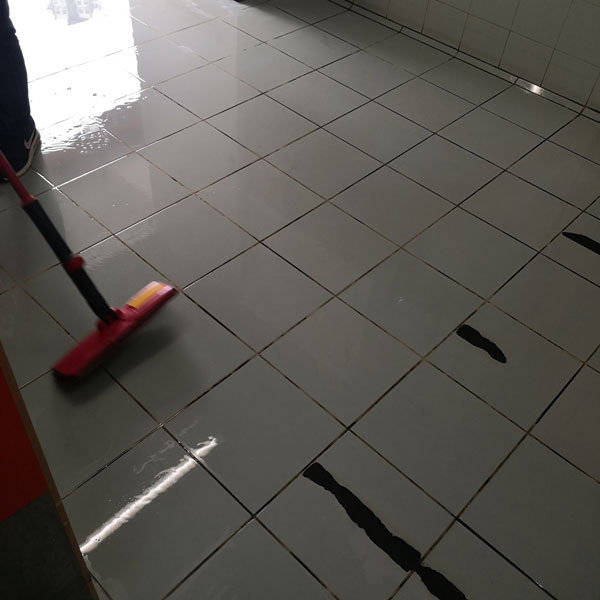
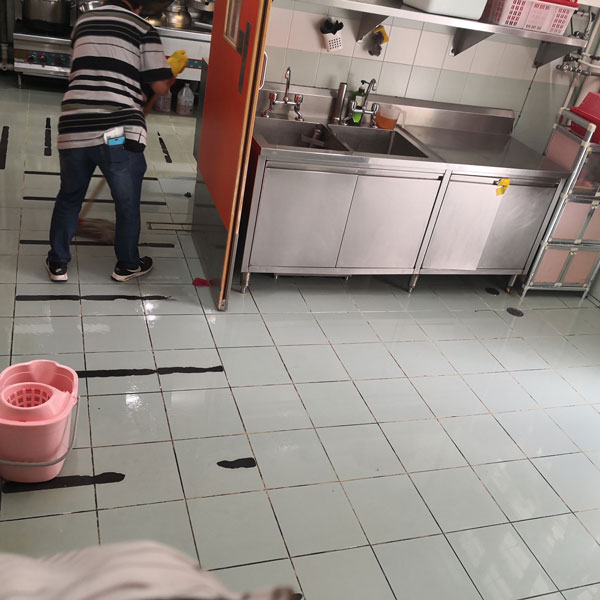
DIY Guide
1. Pre-set treatment time: Test on an inconspicuous area first.
2. Thoroughly clean and dry tile surface.
3. Pour anti-slip agent on tiles and spread quickly.
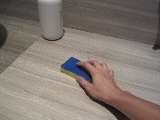
4. Keep applying with scouring pad/sponge.
5. At end of treatment time, scrub off residual agent. Ready to use.
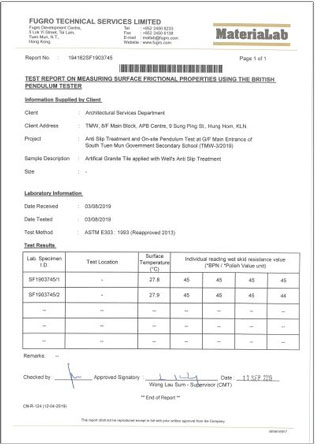
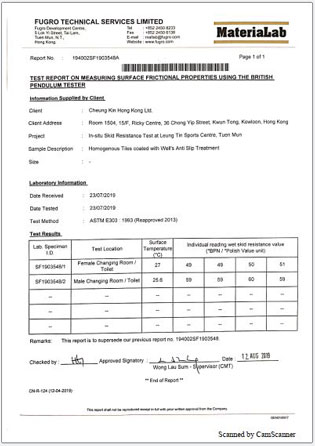
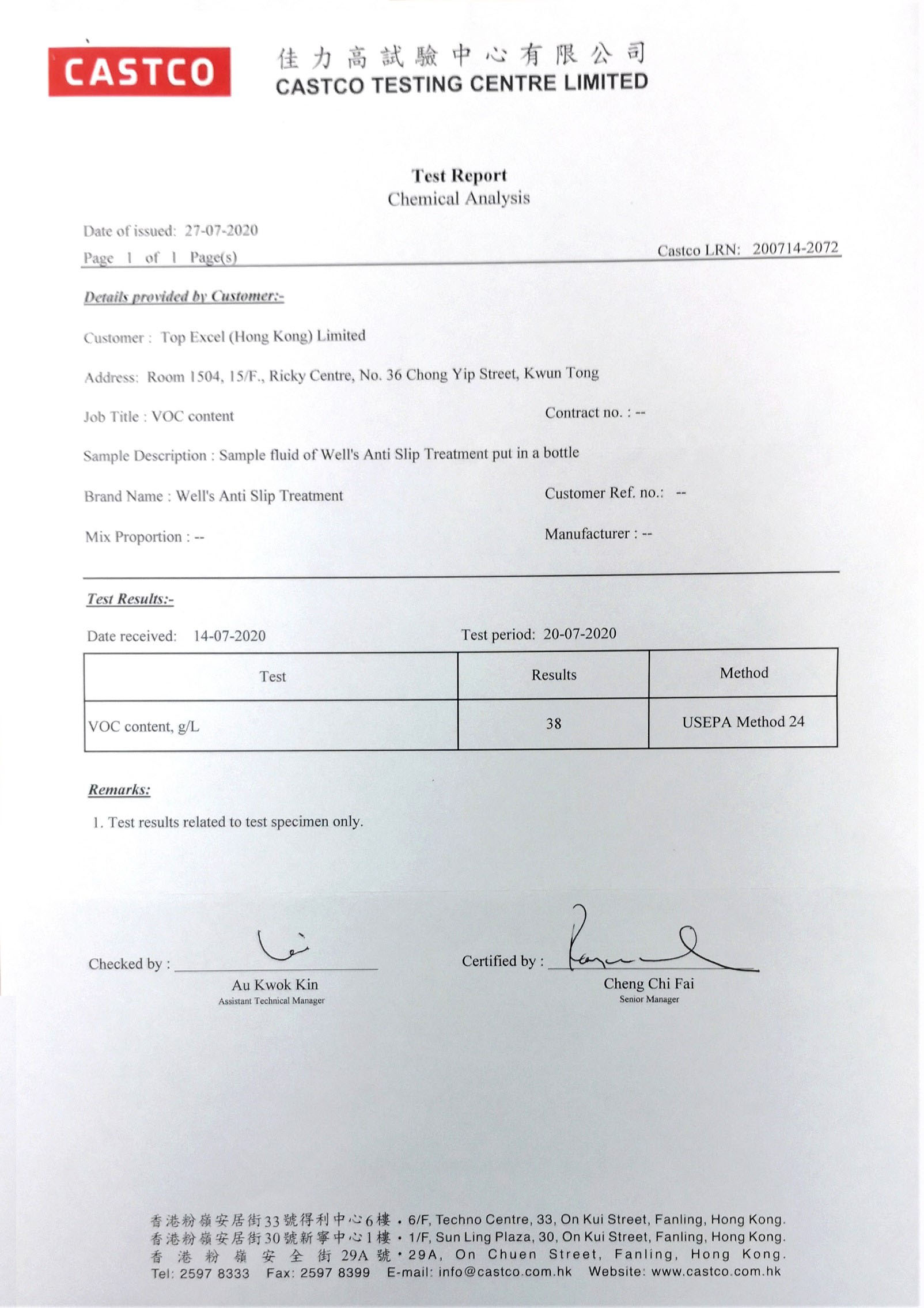
Test Reports
Price
Q&A
Engineered stone, painted surfaces, some marble, waxed floors, wood flooring.
1. Anti-slip lifespan depends on usage frequency, wear and cleaning.
2. Without effective cleaning, accumulated dirt blocks micro-suction, reducing friction.
3. Use electrolytic cleaners for deeper cleaning and longer anti-slip life.
4. Detergent, dish soap or high-alkali cleaners leave residue that increases slipperiness. Avoid long-term use without thorough rinsing.
5. Never use corrosive cleaners: sulfuric acid, hydrochloric acid, hydrofluoric acid, toilet cleaner, bleach, etc.
6. Rinse with water after using cleaner/degreaser.
7. For kitchens, canteens: degrease daily. Oily surfaces are very dangerous.
8. Mops spread oil and can re-contaminate. Use a brush until oil is dissolved and removed; avoid cotton/fibre mops.
9. We offer maintenance products that preserve anti-slip effect and clean.