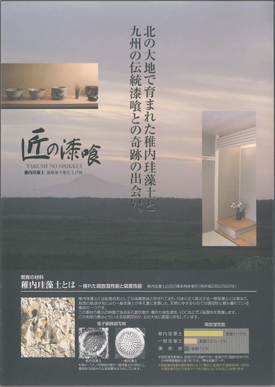

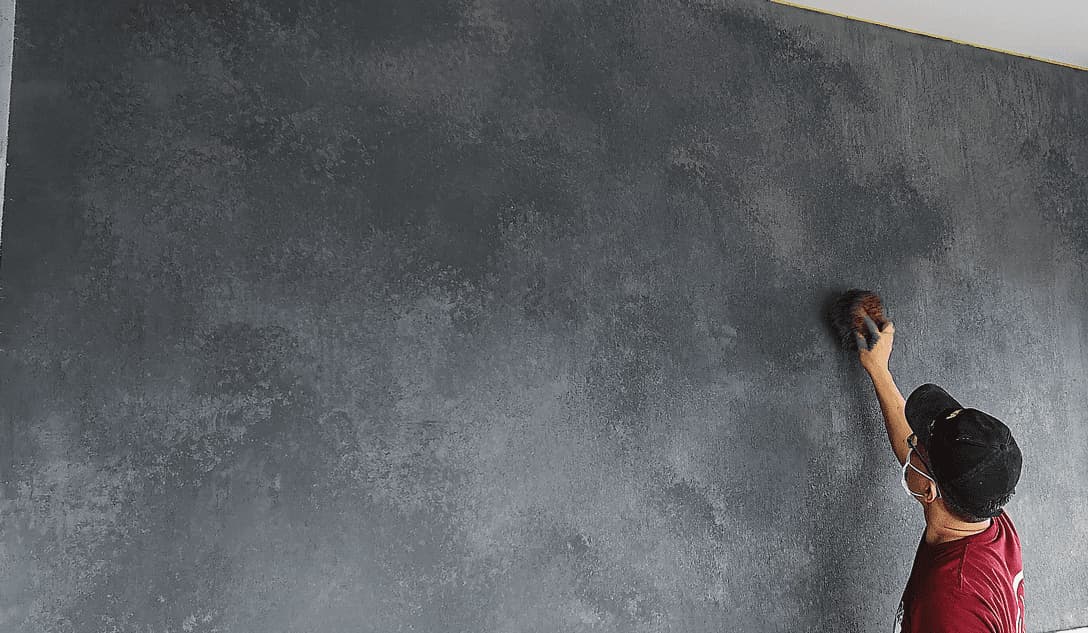
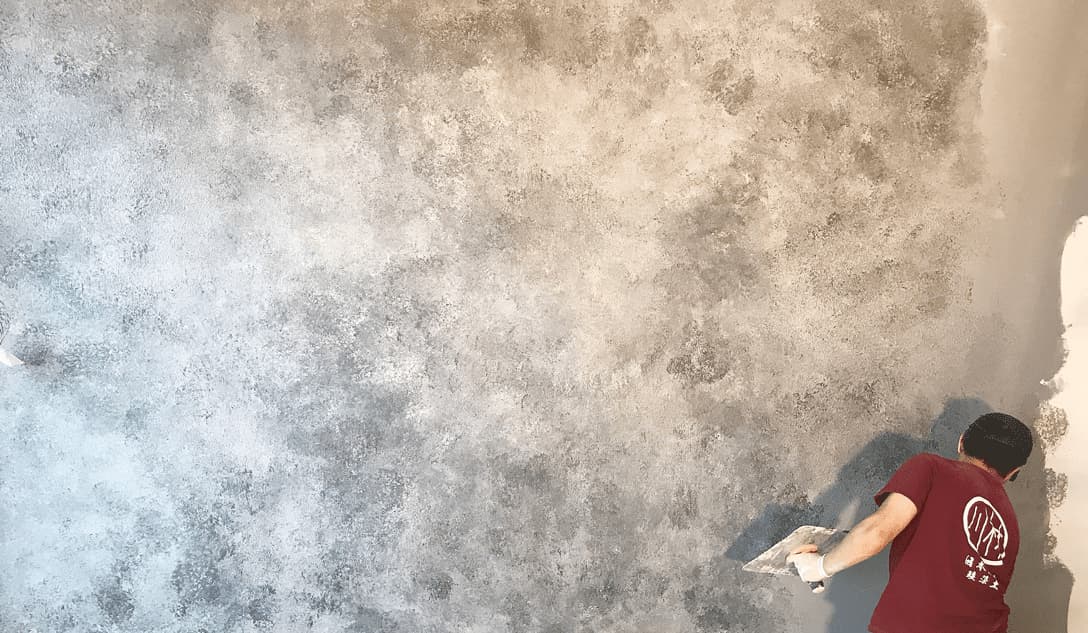
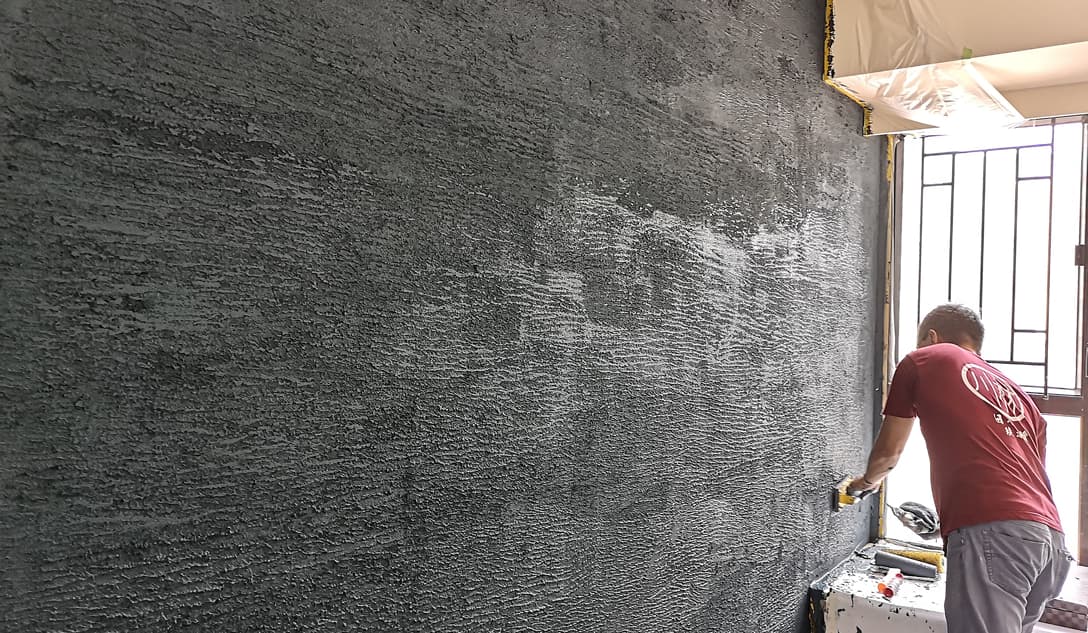
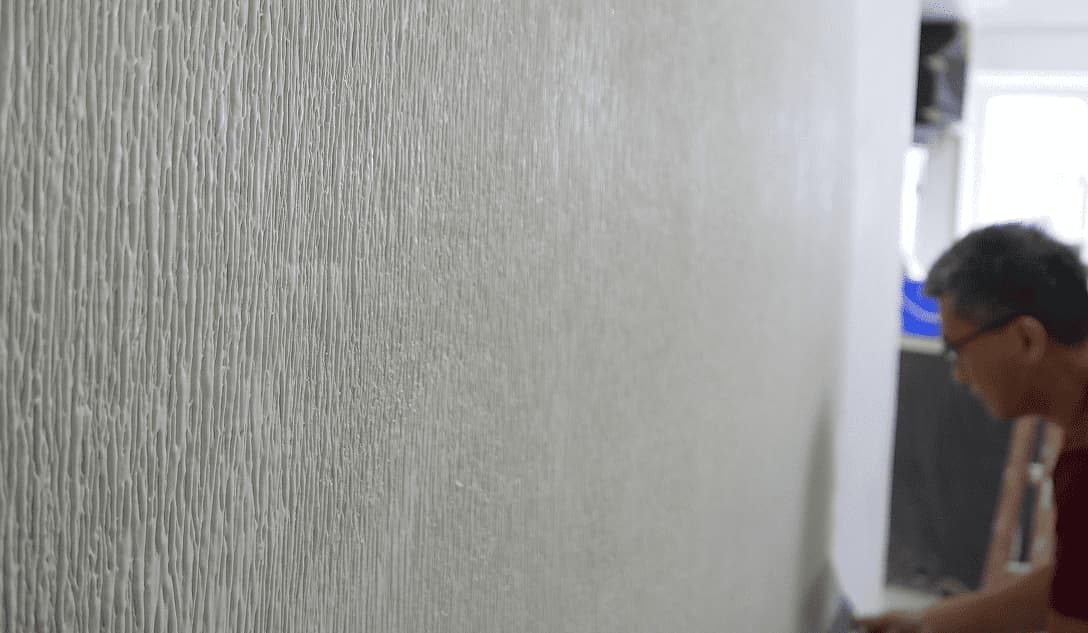

Perfect combination of Hokkaido Wakkanai diatom and Japanese shikkui
Takumi
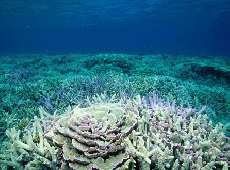
Shikkui has higher alkalinity than soap - natural anti-mold, no chemicals
Shikkui is traditional Japanese paint with thousands of years of history. Main ingredient: coral reef from the sea, formed over hundreds of millions of years. Features: anti-allergy, anti-dust mite, anti-mold, antibacterial, humidity regulation, waterproof, anti-static, highly breathable, no VOCs.
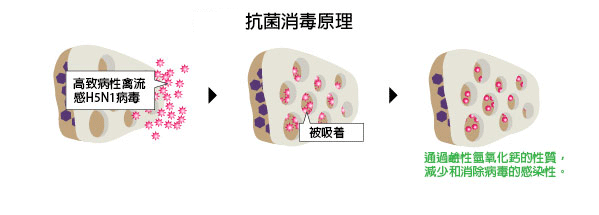
Shikkui is natural material, pH 13 - higher alkalinity than soap (pH 8~10), quickly kills bacteria and viruses. Mold cannot grow in humid conditions. Ideal for children, elderly and those with weak immunity.
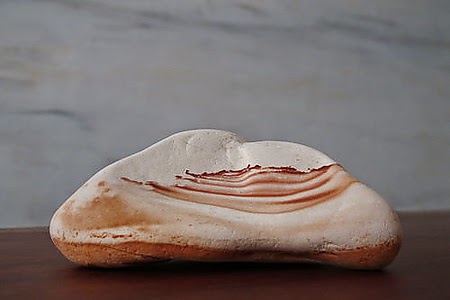
Premium Hokkaido Wakkanai diatom
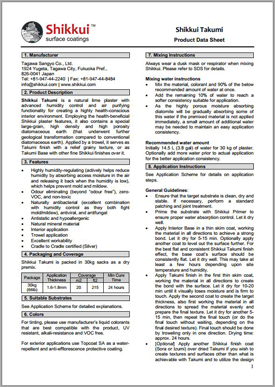
Takumi uses patent-treated (PAT NO. 2652593) Hokkaido Wakkanai diatom with natural shikkui as binder. Doesn't reduce diatom performance. Easy to clean and apply, very durable.
Humidity regulation - reduces condensation and mold!
-
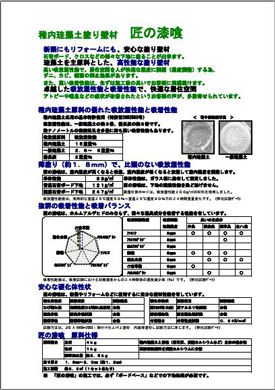
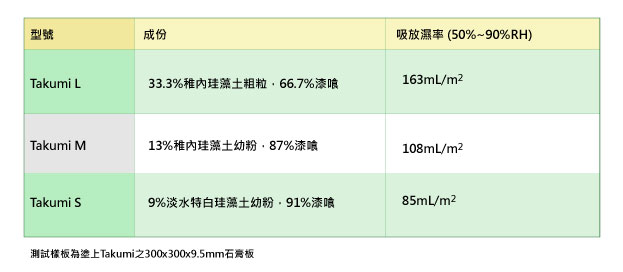
Takumi's main components - Wakkanai diatom and shikkui - are porous materials with countless fine pores that absorb and release moisture. Regulates air humidity to prevent wall condensation and maintain durability. Absorbs moisture in humid summer, releases in dry winter for comfortable indoor environment. Absorption/release: +93L/m². (Note: Excessive humidifier or heating AC use beyond capacity may cause condensation.)
?�Tested at 25°C, 50%~90% RH. At 40%~95% RH, difference is greater.
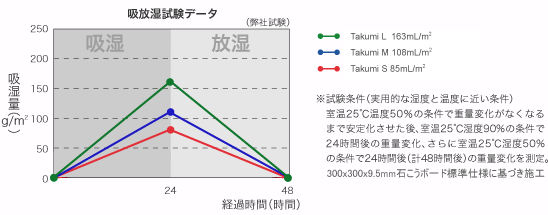
?�Tested at 25°C, 50%~90% RH. At 23±2°C, 45±5%~90±5% RH, Takumi achieves 114 ml/m².
Natural antibacterial, anti-mold, inhibits dust mites! (ASTM D3273 / D3274)
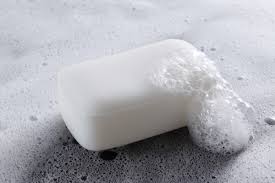
Have you seen soap mold? Why doesn't soap mold even in humid bathroom conditions? High alkalinity - bacteria, viruses and mold cannot grow. Shikkui is natural, pH 13, same alkalinity as soap - inhibits bacteria, viruses, mold and dust mites. Shikkui and Wakkanai diatom humidity regulation keeps indoor and wall surfaces drier. Anti-static surfaces don't attract dust; dust is dust mite food - so dust mites struggle to survive.
Anti-static - less dust than wallpaper or latex paint

Research shows dust reappears quickly because walls and ceilings generate static from air friction - static attracts airborne dust which accumulates then falls. So even after evening cleaning, floors are dusty by morning.
Latex paint has more resin and generates more static. Takumi's shikkui and diatom don't generate static - less dust, less maintenance, cleaner indoors.
Anti-allergy: decomposes allergens, inhibits dust mites
-
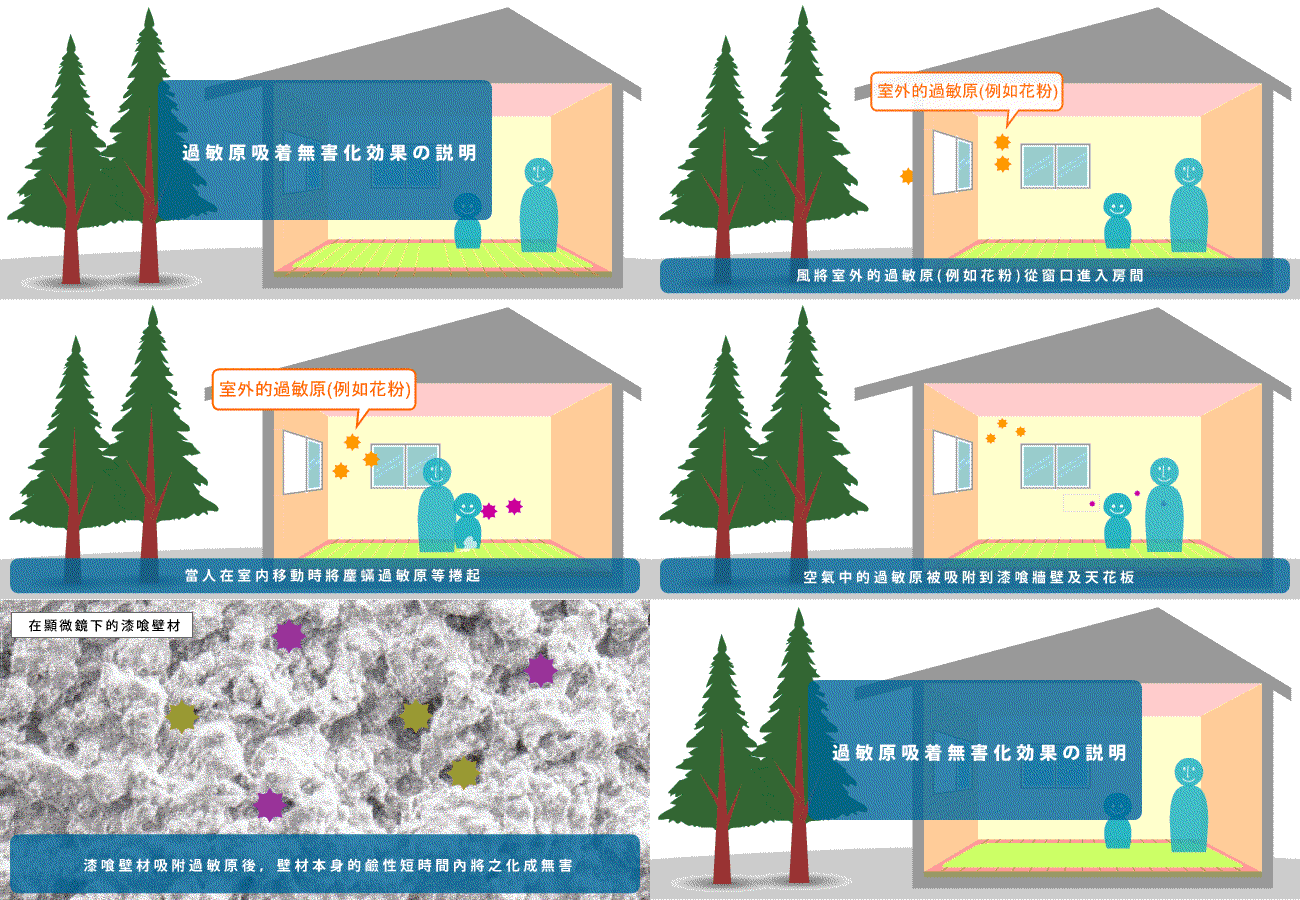
Takumi is alkaline with humidity regulation - keeps indoor and wall surfaces drier. Anti-static surfaces don't attract dust. In alkaline, dry conditions with little dust (dust mite food), Takumi anti-allergy paint makes dust mites hard to survive.
Shikkui decomposes dust mite allergens and pollen - reduces indoor allergens. Best wall material for allergy sufferers.
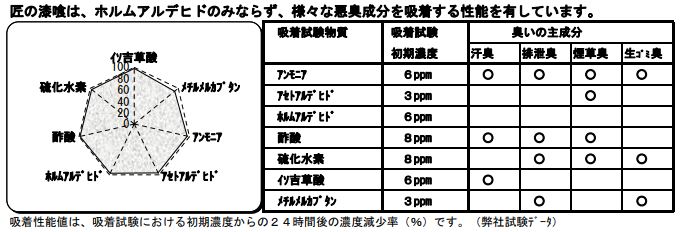
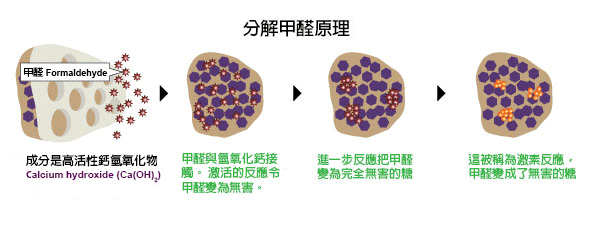
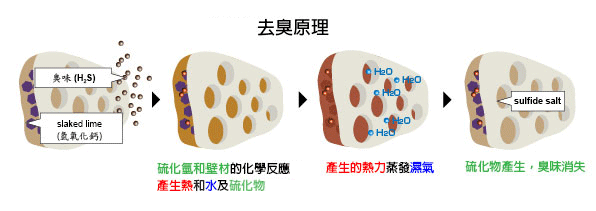
Adsorption - absorbs and decomposes chemicals, formaldehyde, VOC and odours
-
Absorbs and decomposes formaldehyde (the "invisible killer" in new homes) and other VOC compounds.
Anti-static / less dust!
-
Takumi's shikkui and diatom don't generate static. Less dust, stays white longer, doesn't show dirt easily.
Durability - gets stronger over time!
-
Takumi's main component shikkui absorbs CO??from air after application, slowly solidifying back into limestone. Gets stronger over time.
Thermal insulation / fire resistant!
-
Shikkui and diatom are highly fire-resistant, certified as non-combustible under Japanese Building Standards Act Article 2-9. Both are porous - high thermal insulation, keeps indoors cool in summer and warm in winter.
Eco-friendly
-
Shikkui's base is lime. Lime is natural fertilizer - disposal and handling are eco-friendly.
Product Components
What is Japanese Shikkui
What is Shikkui?
-
Humans have used lime as building material for 10,000 years. Lime's natural properties: anti-allergy, anti-dust mite, anti-mold, antibacterial, humidity regulation, waterproof, anti-static, highly breathable, no VOCs.
In Japan, lime has long been used for wall materials - called "shikkui". Used in famous traditional buildings like Osaka Castle, Kumamoto Castle and Himeji Castle.
Shikkui is traditional Japanese paint with thousands of years of history. Main ingredient: coral reef from the sea, formed over hundreds of millions of years into natural limestone. Processed with other natural materials to become premium health paint.
Shikkui transformation process
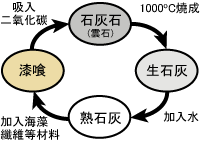
Natural limestone (CaCO3) heated to 1000°C in a kiln becomes?�quicklime??(CaO). Quicklime with water produces ?�slaked lime??(Ca(OH)2). Adding natural seaweed algae and hemp fibre to slaked lime creates shikkui wall material. After application, shikkui absorbs CO??from air, releases moisture, returns to limestone - slowly becomes natural mineral, stronger over time.
Shikkui components
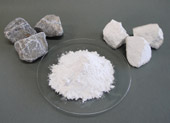
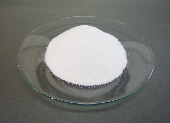
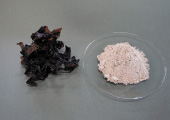
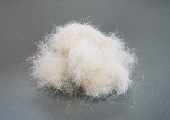
Shikkui components are all natural materials, safe and healthy.
Shikkui features
Shikkui has higher alkalinity than soap - natural anti-mold, no chemicals
Have you seen soap mold? Why doesn't soap mold in humid bathrooms? High alkalinity - mold cannot grow. Shikkui is natural, pH 12~13, higher than soap (pH 8~10), quickly kills bacteria and viruses. Mold cannot grow in humid conditions. Ideal for Hong Kong homes, especially with children, elderly or those with weak immunity.
Shikkui doesn't generate static - less dust than wallpaper or latex
Research shows dust reappears quickly because walls and ceilings generate static from air friction - static attracts airborne dust which accumulates then falls. So even after evening cleaning, floors are dusty by morning.
Latex paint has more resin and generates more static. Shikkui doesn't generate static - less dust, less maintenance, cleaner indoors.
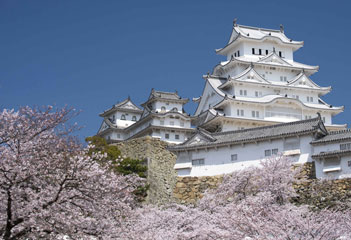
High durability - 20+ years outdoor use
After application, shikkui absorbs CO??from air, releases moisture, returns to limestone (marble is a type of limestone). Shikkui slowly becomes natural mineral - stronger over time. Indoor and outdoor use, 20+ year lifespan.
Wakkanai Diatom Features
What is Diatomaceous Earth?
-
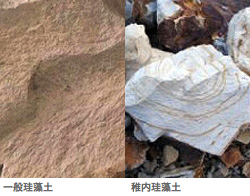
Diatoms are the earliest single-celled plant plankton on Earth. Their fossilized remains accumulated on seabeds and lake beds over tens of millions of years; the shell parts became 'diatomaceous earth' (also called diatomite or diatom mud).
Diatoms have 2-50nm 'ultra-porous structure' (1 millionth of 1mm), with 5,000-6,000x the pore count of charcoal. 'High-function humidity regulation' is a key feature, along with breathability, deodorizing, fire resistance, thermal insulation and more.
What is Wakkanai Diatom?
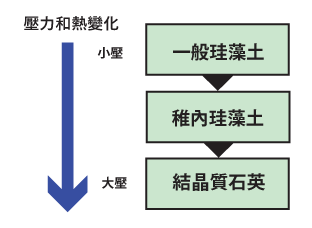
Diatom deposits exist in Japan, USA, China and elsewhere. Japan has five major regions: Hokkaido, Akita, Ishikawa (Noto Peninsula), Okayama and Oita. Hokkaido is the finest - Wakkanai, Japan's northernmost city, formed diatom shale 25 million years ago when crust uplift subjected diatom to pressure and heat, creating amorphous silica mineral 'diatom shale'. Wakkanai diatom appears as rock, not the soil-like mix with impurities from other regions - hence 'diatom shale'.
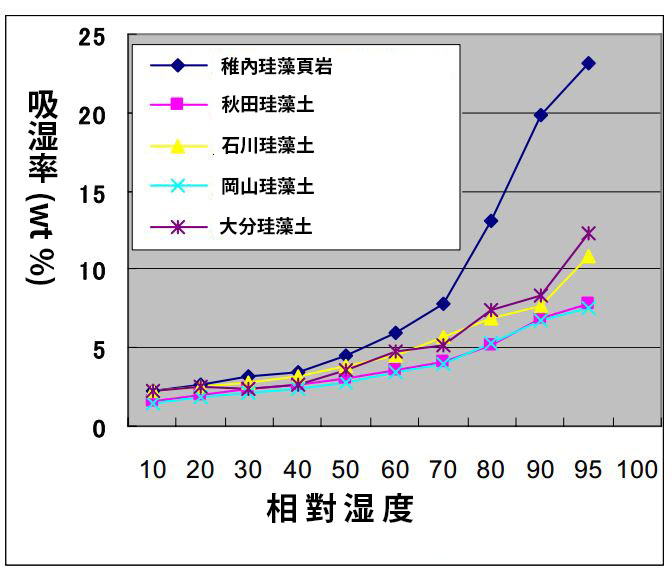
Diatom shale has 4x the pore volume, 5x the surface area, and 3-6x the humidity regulation of standard diatom.
In summary: Wakkanai diatom absorbs moisture faster and more - especially at high humidity.
Wakkanai diatom vs standard diatom comparison
Moisture absorption comparison
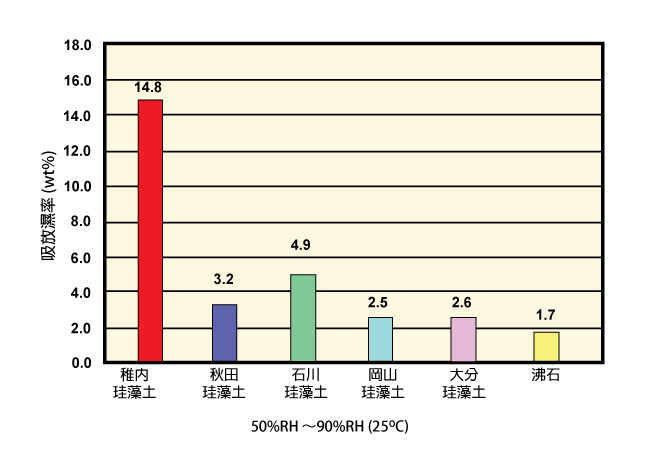
Wakkanai diatom shale has 3-6x the humidity regulation of standard diatom.
Absorption/release speed comparison
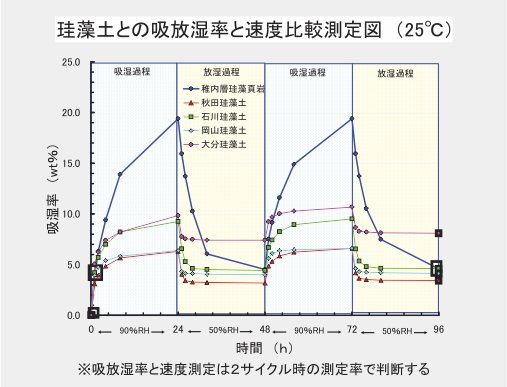
Wakkanai diatom shale absorbs in under 5 hours what standard diatom takes 24 hours - 5x faster.
Moisture absorption at different relative humidity levels
-
Wakkanai diatom excels at high humidity
Above 60% relative humidity, Wakkanai diatom's absorption outperforms standard diatom. The higher the humidity, the greater the difference.
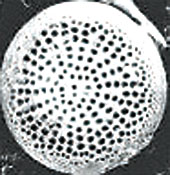
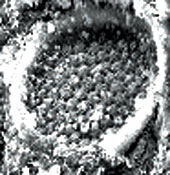
Structure comparison
-
Standard diatom
Standard diatom: pore size ~0.44-0.51nm, surface area 17~28m2/g, pore volume 0.05m3/m2/g.
-
Wakkanai diatom
Wakkanai diatom: pore size ~0.4nm, surface area 101.43m2/g (4~6x standard), pore volume 0.2122m3/m2/g (5x standard).
Japanese diatom comparison by region
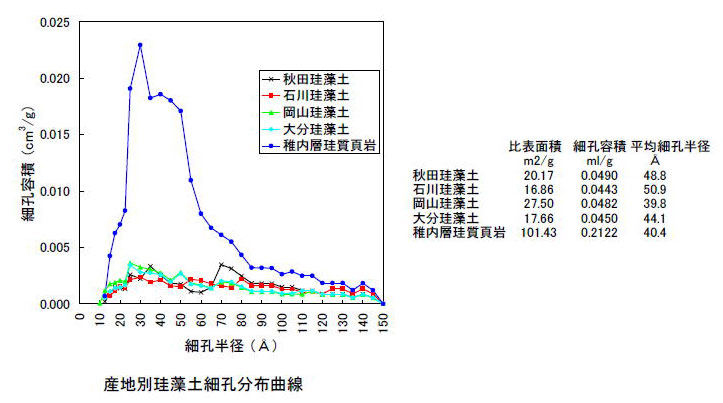
Wakkanai diatom shale has 4~6x the pore volume and 5x the surface area of standard diatom - explaining its superior moisture absorption.
Texture Tools
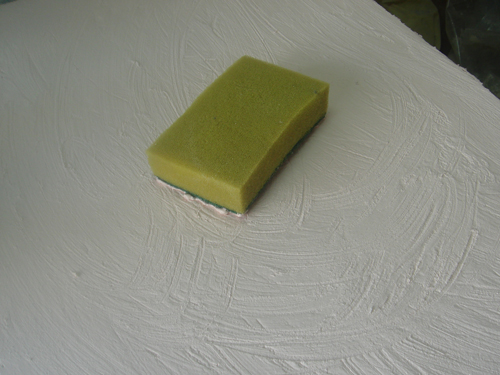 No. 1
No. 1
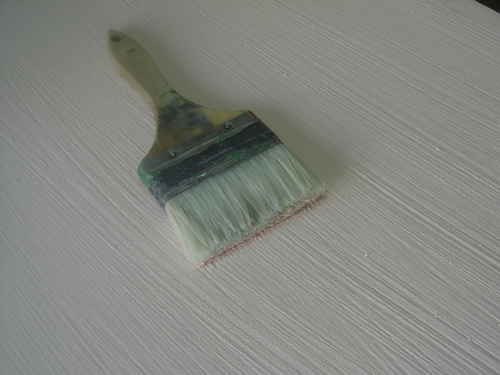 No. 2
No. 2
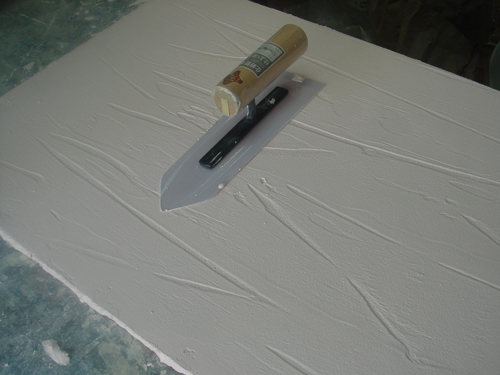 No. 3
No. 3
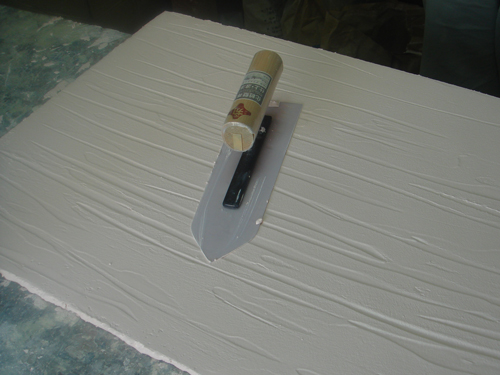 No.4
No.4
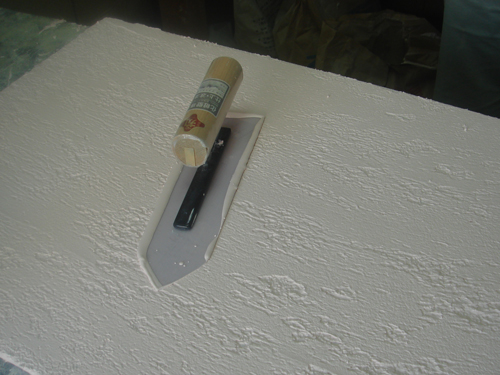 No. 5
No. 5
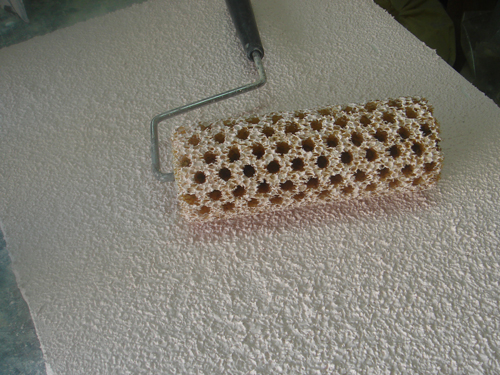 No. 6
No. 6
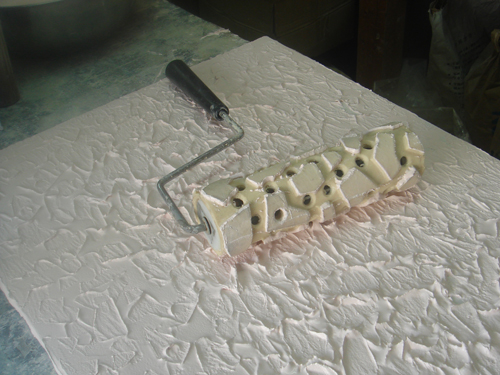 No.7
No.7
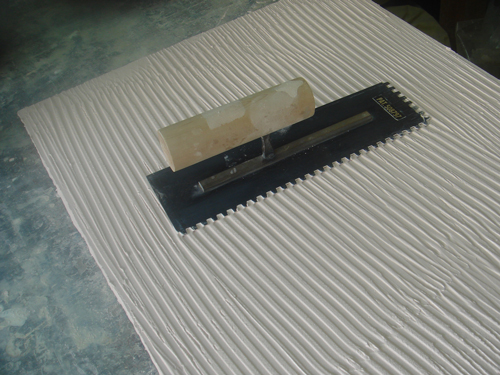 No. 8
No. 8
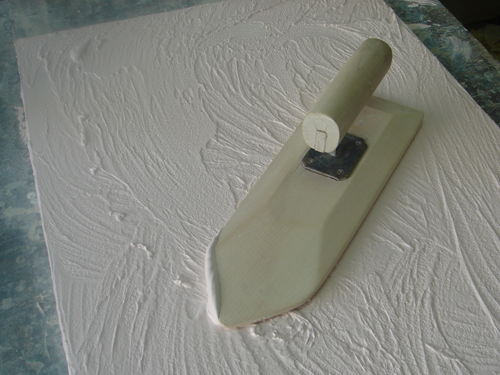 No. 9
No. 9
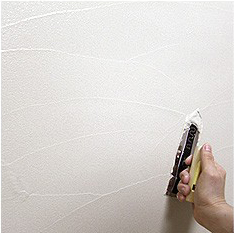 No. 10
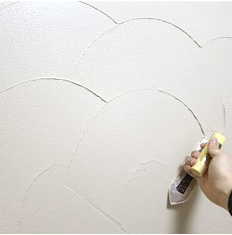 No. 11
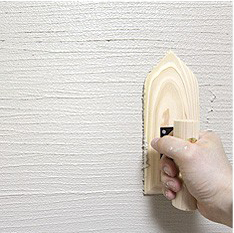 No. 12
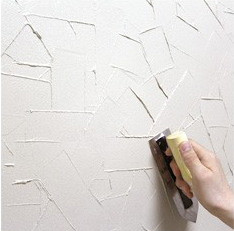 No. 13
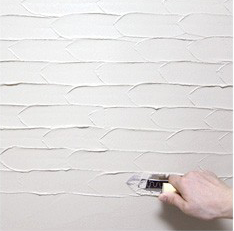 No. 14
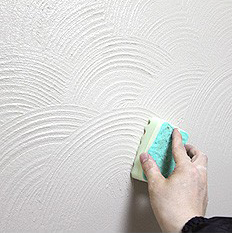 No. 15
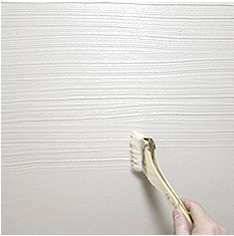 No. 16
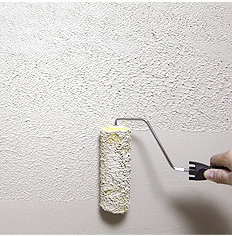 No. 17
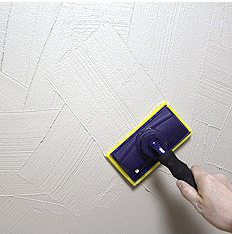 No. 18
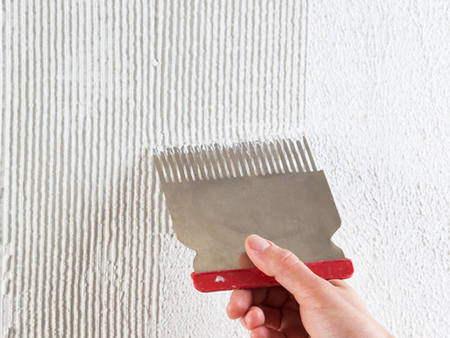 No. 19
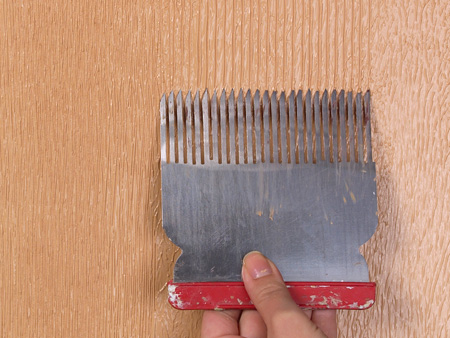 No. 20
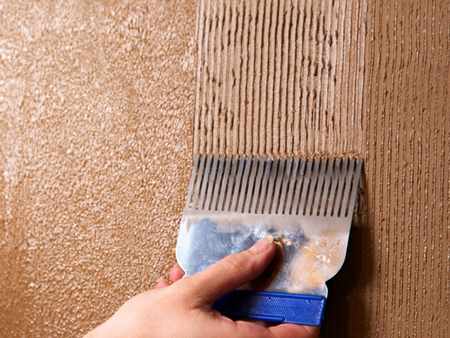 No. 21
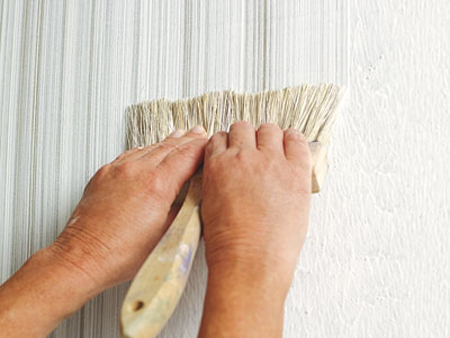 No. 22
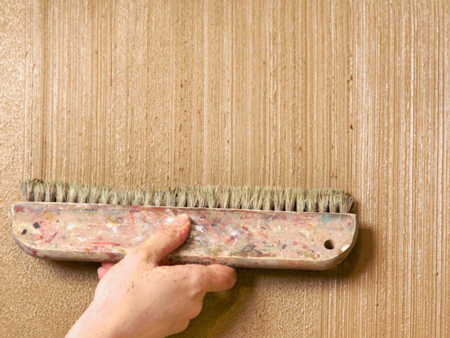 No. 23
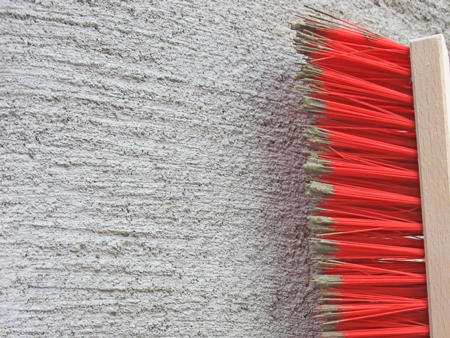 No. 24
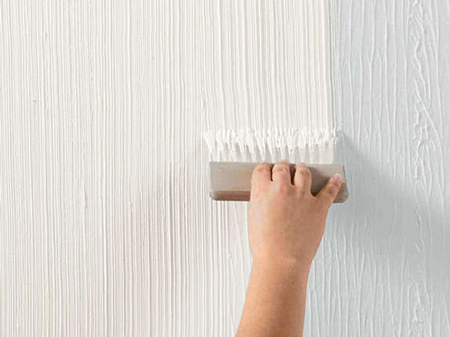 No. 25
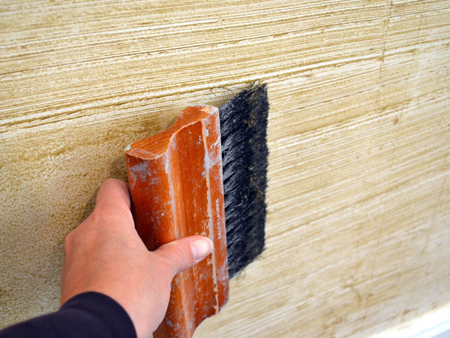 No. 26
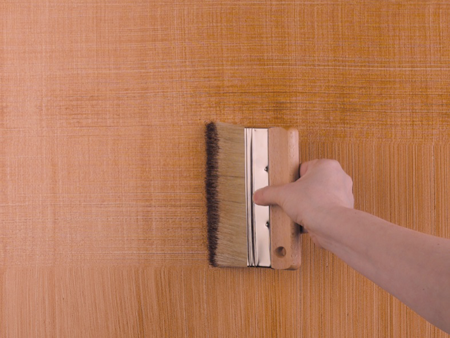 No. 27
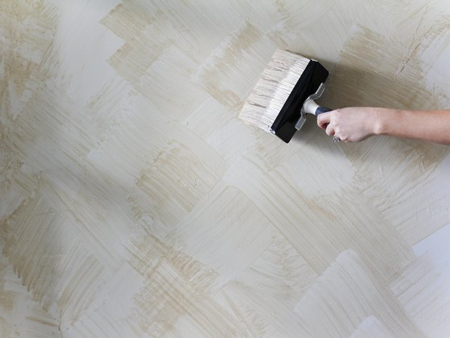 No. 28
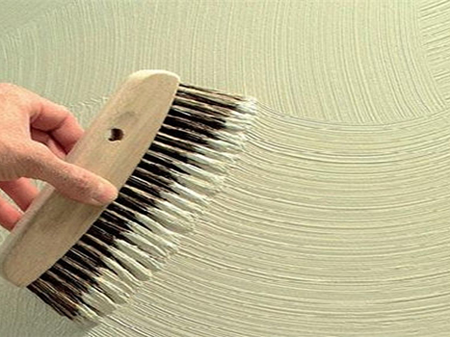 No. 29
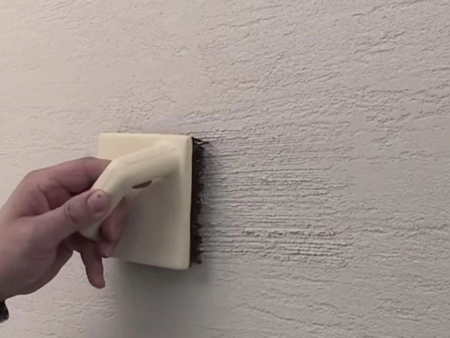 No. 30
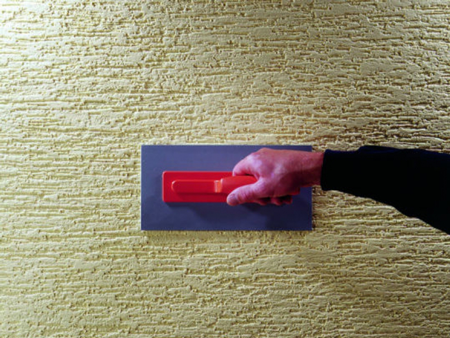 No. 31
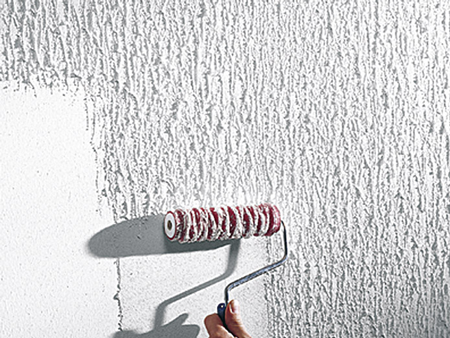 No. 32
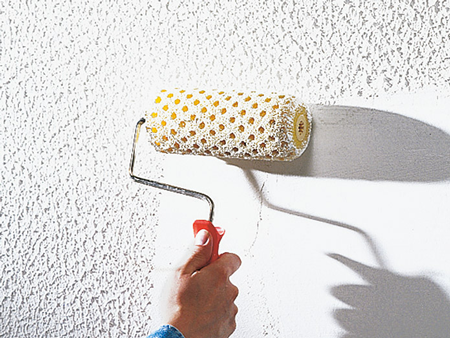 No. 33
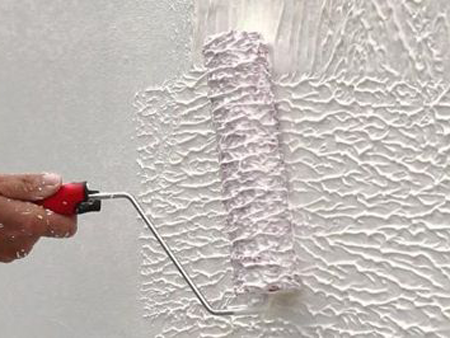 No. 34
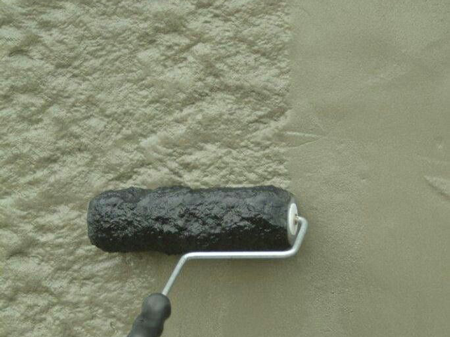 No. 35
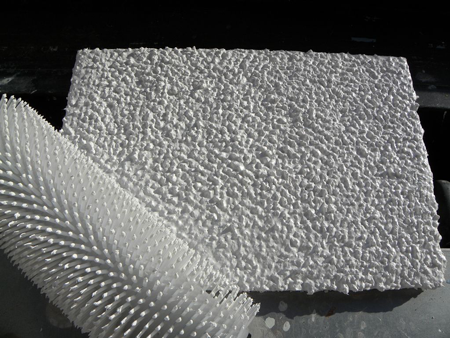 No. 36
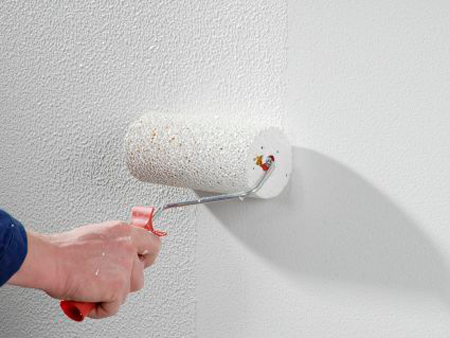 No. 37
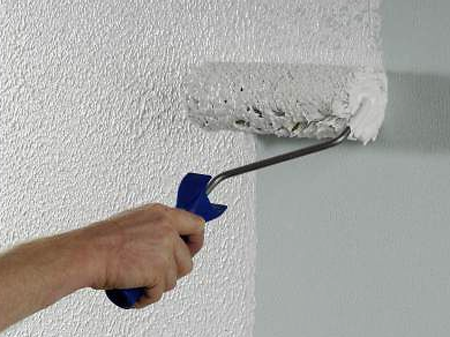 No. 38
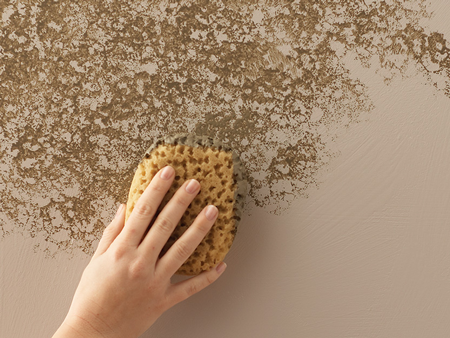 No. 39
Application Systems and Tips
Rough Surface System TL
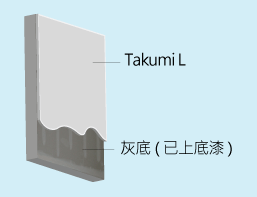
After levelling with base plaster and applying primer, apply Takumi L.
Takumi L (30kg) covers ~250 sqft (smooth finish; texture uses more).
Smooth Surface System TM
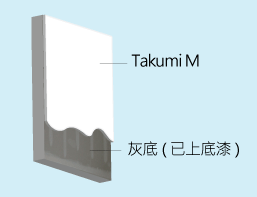
After levelling with base plaster and applying primer, apply Takumi M.
Takumi M (23kg) covers ~340 sqft (smooth finish; texture uses more).
Smooth Surface System TS
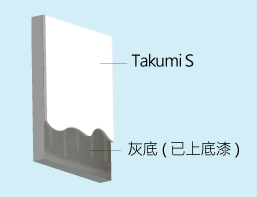
After levelling with base plaster and applying primer, apply Takumi S.
Takumi S (22kg) covers ~380 sqft (smooth finish; texture uses more).
Smooth Surface System TLS
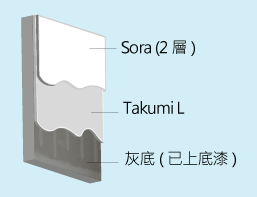
After levelling with base plaster and applying primer, apply Takumi L first, then 2 coats of Sora.
Takumi L (30kg) covers ~250 sqft; Sora (20kg) covers ~485 sqft (2 coats, smooth finish; texture uses more).
Product Packaging
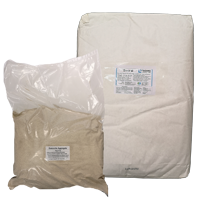
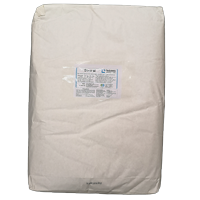
Takumi M (23kg) = Sora (20kg) + Wakkanai diatom fine (3kg)
Takumi S (22kg) = Sora (20kg) + freshwater white diatom powder (2kg)
Application Tips
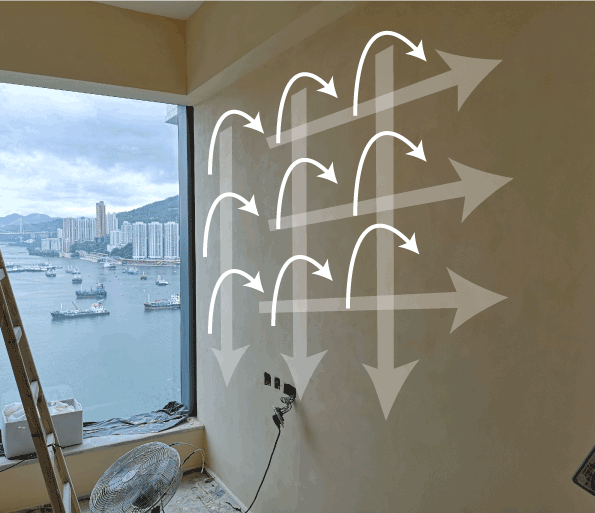
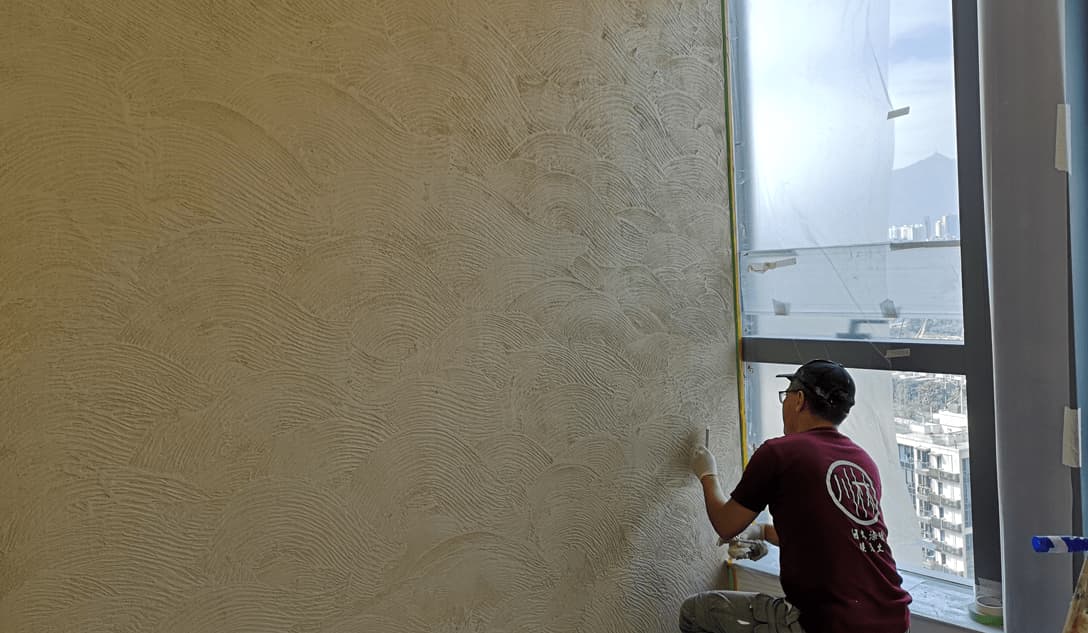
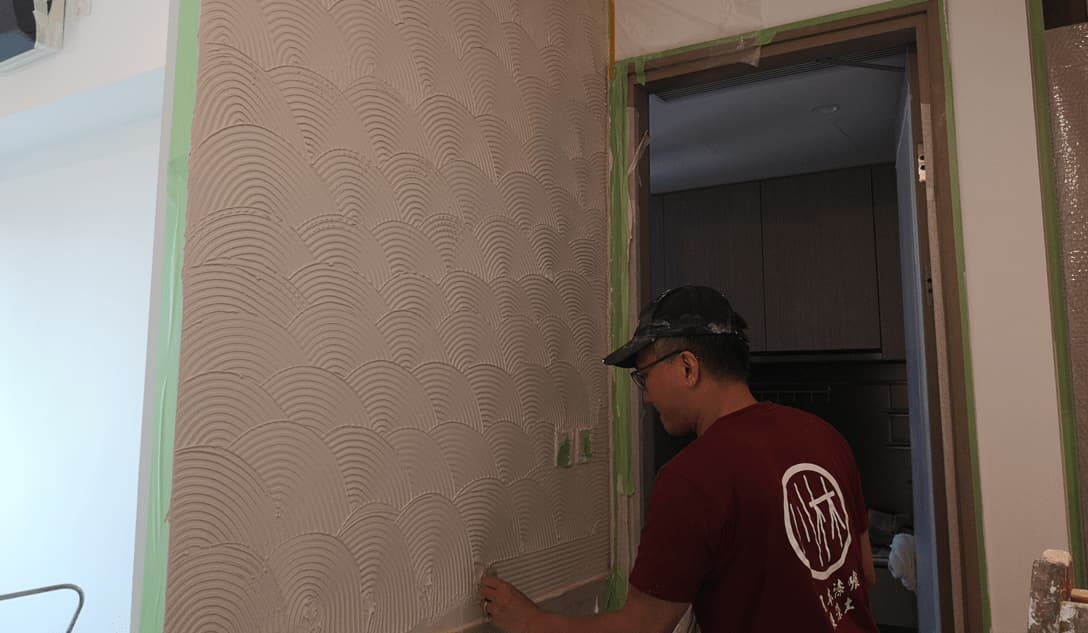
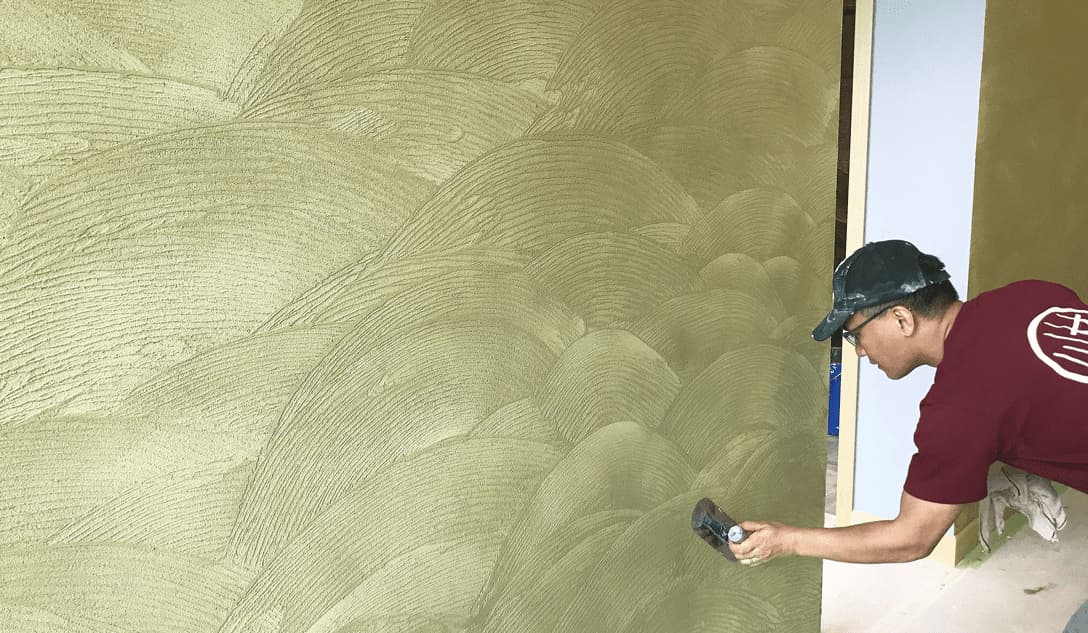
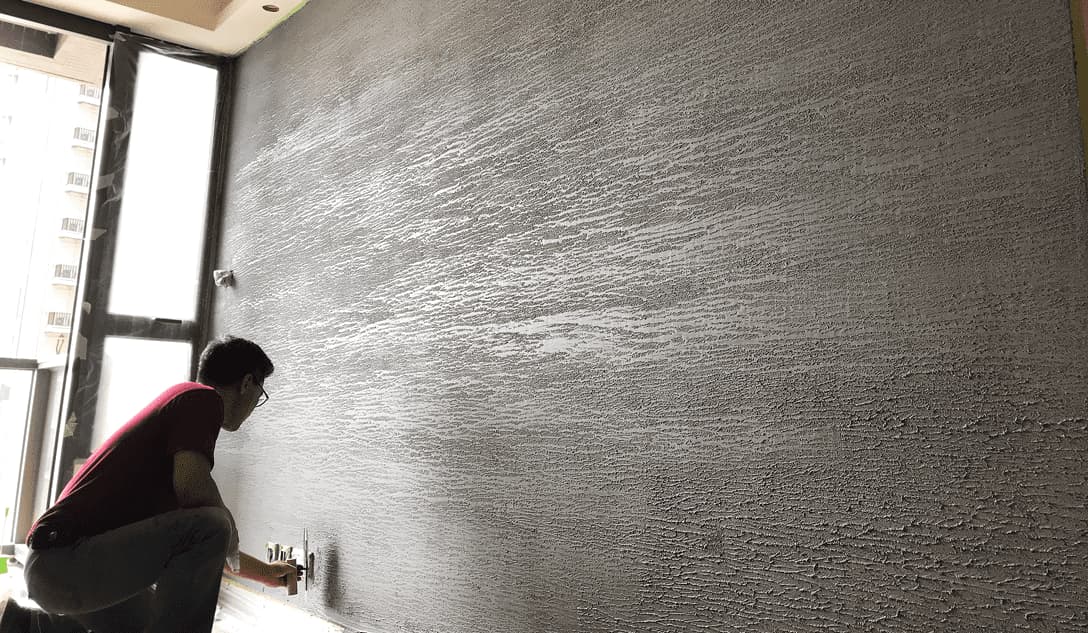
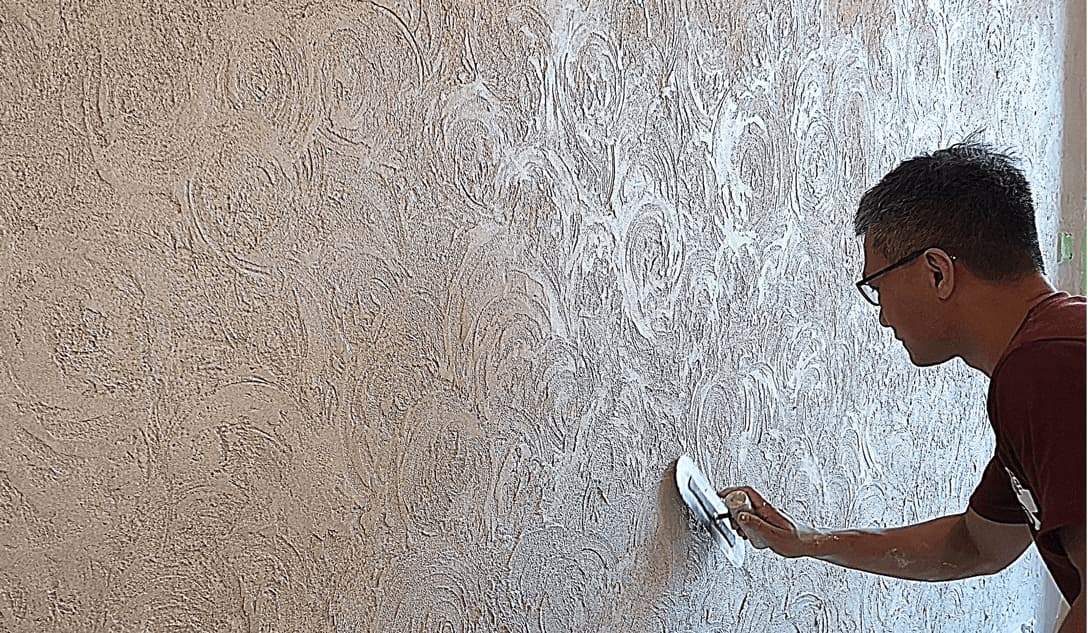
Takumi is easy to apply. Use natural strokes, avoid visible joins. Apply in semicircular motion, left-to-right (or right-to-left) and top-to-bottom. Polish to remove trowel marks.
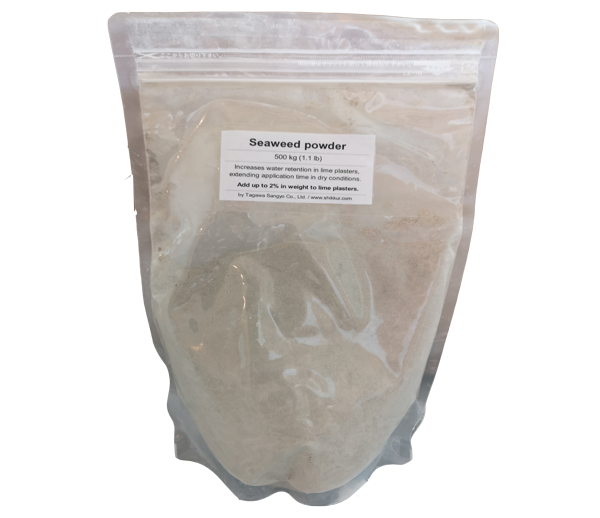
Shikkui already contains seaweed - locks moisture to control drying. In hot, dry weather shikkui dries faster; adding natural seaweed powder slows drying and extends working time.
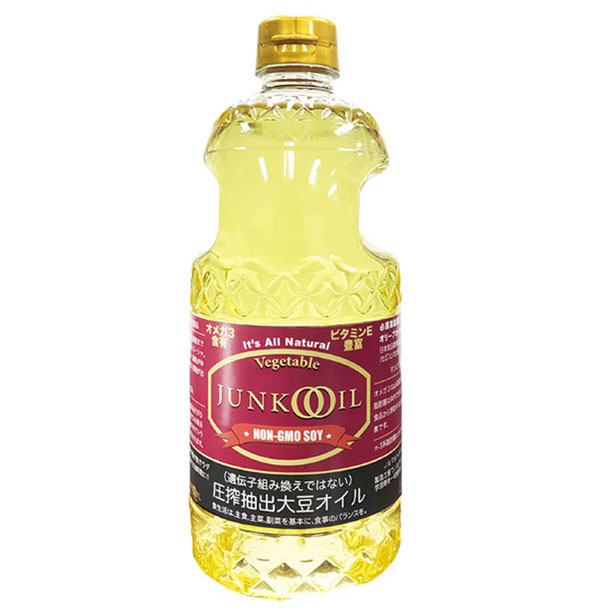
Adding soybean oil enhances shikkui waterproofing and makes application easier - traditional Japanese craftsman wisdom.
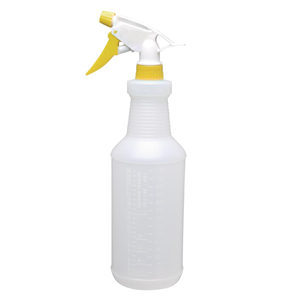
A spray bottle is essential. When polishing, if the surface is too dry, lightly mist with water for easier application.
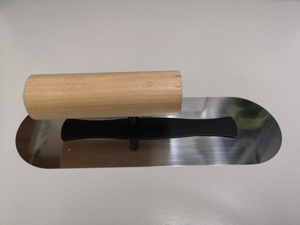
A quality polishing trowel makes the job easier and results better. Choose thin (0.3mm) and flexible trowels.
Color Selection
.jpg) 1(2)
1(2)
.jpg) 1(1)
1(1)
.jpg) 1(0.5)
1(0.5)
.jpg) 1(0.25)
1(0.25)
.jpg) 2(2)
2(2)
.jpg) 2(1)
2(1)
.png) 2(0.5)
2(0.5)
.png) 2(0.25)
2(0.25)
.png) 3(2)
3(2)
.png) 3(1)
3(1)
.png) 3(0.5)
3(0.5)
.png) 3(0.25)
3(0.25)
.png) 4(2)
4(2)
.png) 4(1)
4(1)
.png) 4(0.5)
4(0.5)
.png) 4(0.25)
4(0.25)
.png) 5(2)
5(2)
.png) 5(1)
5(1)
.png) 5(0.5)
5(0.5)
.png) 5(0.25)
5(0.25)
.png) 6(2)
6(2)
.png) 6(1)
6(1)
.png) 6(0.5)
6(0.5)
.png) 6(0.25)
6(0.25)
.png) 7(2)
7(2)
.png) 7(1)
7(1)
.png) 7(0.5)
7(0.5)
.png) 7(0.25)
7(0.25)
.png) 8(2)
8(2)
.png) 8(1)
8(1)
.png) 8(0.5)
8(0.5)
.png) 8(0.25)
8(0.25)
.png) 9(2)
9(2)
.png) 9(1)
9(1)
.png) 9(0.5)
9(0.5)
.png) 9(0.25)
9(0.25)
.png) 10(2)
10(2)
.png) 10(1)
10(1)
.png) 10(0.5)
10(0.5)
.png) 10(0.25)
10(0.25)
.png) 11(2)
11(2)
.png) 11(1)
11(1)
.png) 11(0.5)
11(0.5)
.png) 11(0.25)
11(0.25)
.png) 12(2)
12(2)
.png) 12(1)
12(1)
.png) 12(0.5)
12(0.5)
.png) 12(0.25)
12(0.25)
.png) 13(2)
13(2)
.png) 13(1)
13(1)
.png) 13(0.5)
13(0.5)
.png) 13(0.25)
13(0.25)
.png) 14(2)
14(2)
.png) 14(1)
14(1)
.png) 14(0.5)
14(0.5)
.png) 14(0.25)
14(0.25)
.png) 15(2)
15(2)
.png) 15(1)
15(1)
.png) 15(0.5)
15(0.5)
.png) 15(0.25)
15(0.25)
.png) 16(2)
16(2)
.png) 16(1)
16(1)
.png) 16(0.5)
16(0.5)
.png) 16(0.25)
16(0.25)
.png) 17(2)
17(2)
.png) 17(1)
17(1)
.png) 17(0.5)
17(0.5)
.png) 17(0.25)
17(0.25)
.png) 18(2)
18(2)
.png) 18(1)
18(1)
.png) 18(0.5)
18(0.5)
.png) 18(0.25)
18(0.25)
.png) 19(2)
19(2)
.png) 19(1)
19(1)
.png) 19(0.5)
19(0.5)
.png) 19(0.25)
19(0.25)
.png) 20(2)
20(2)
.png) 20(1)
20(1)
.png) 20(0.5)
20(0.5)
.png) 20(*0.25)
20(*0.25)
-
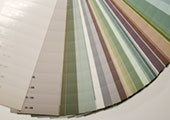
Custom colours are available. Contact us to match existing wall colours or create your own. (Inorganic pigments - please ask about colour range)
Catalog Download