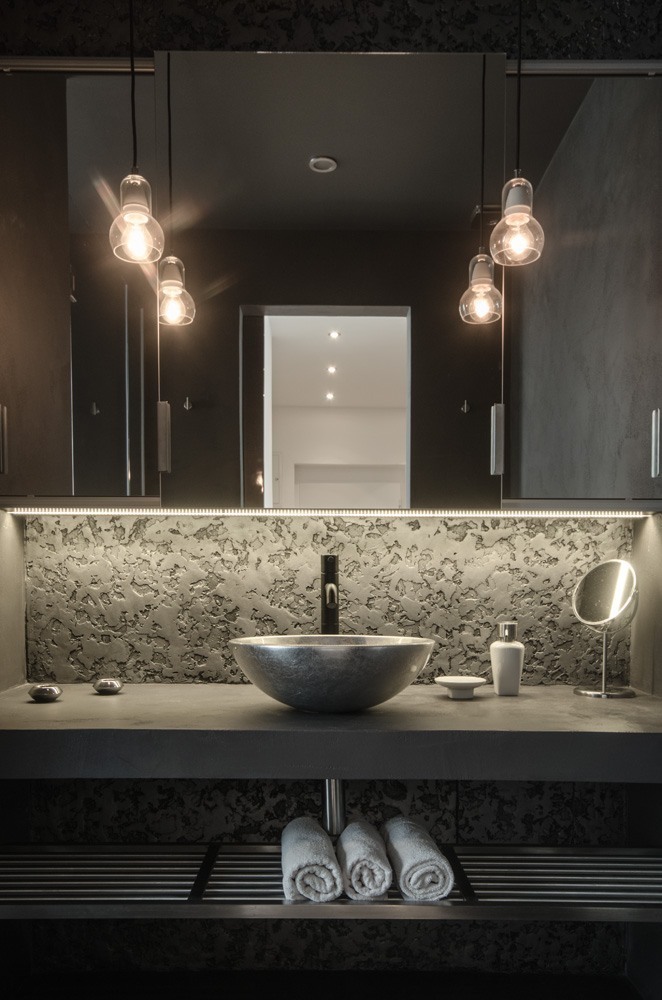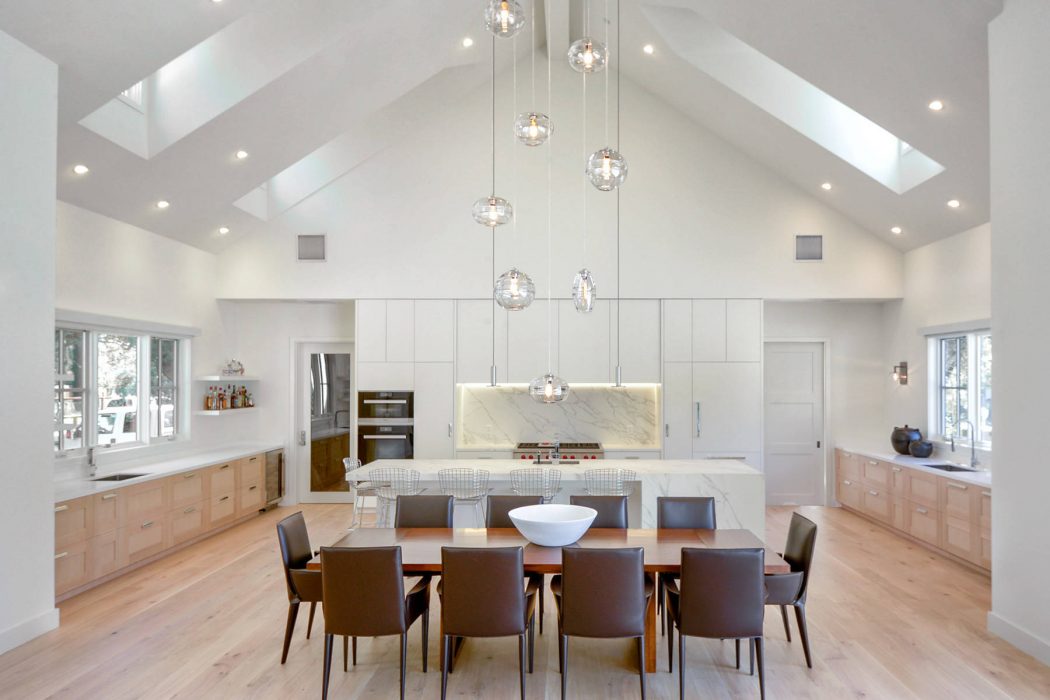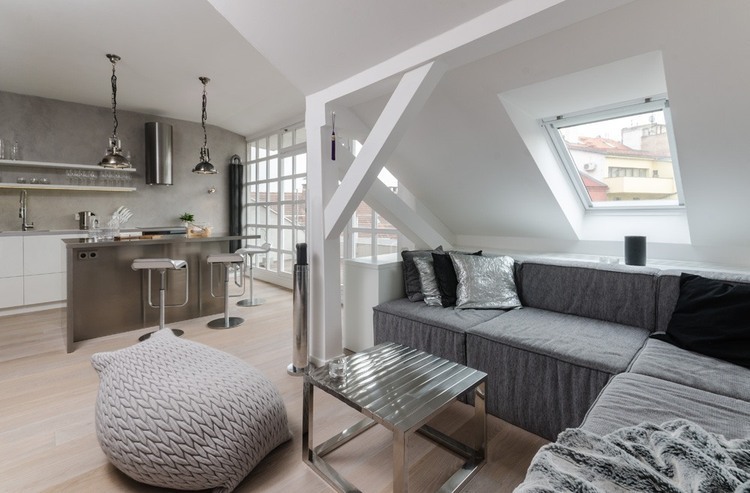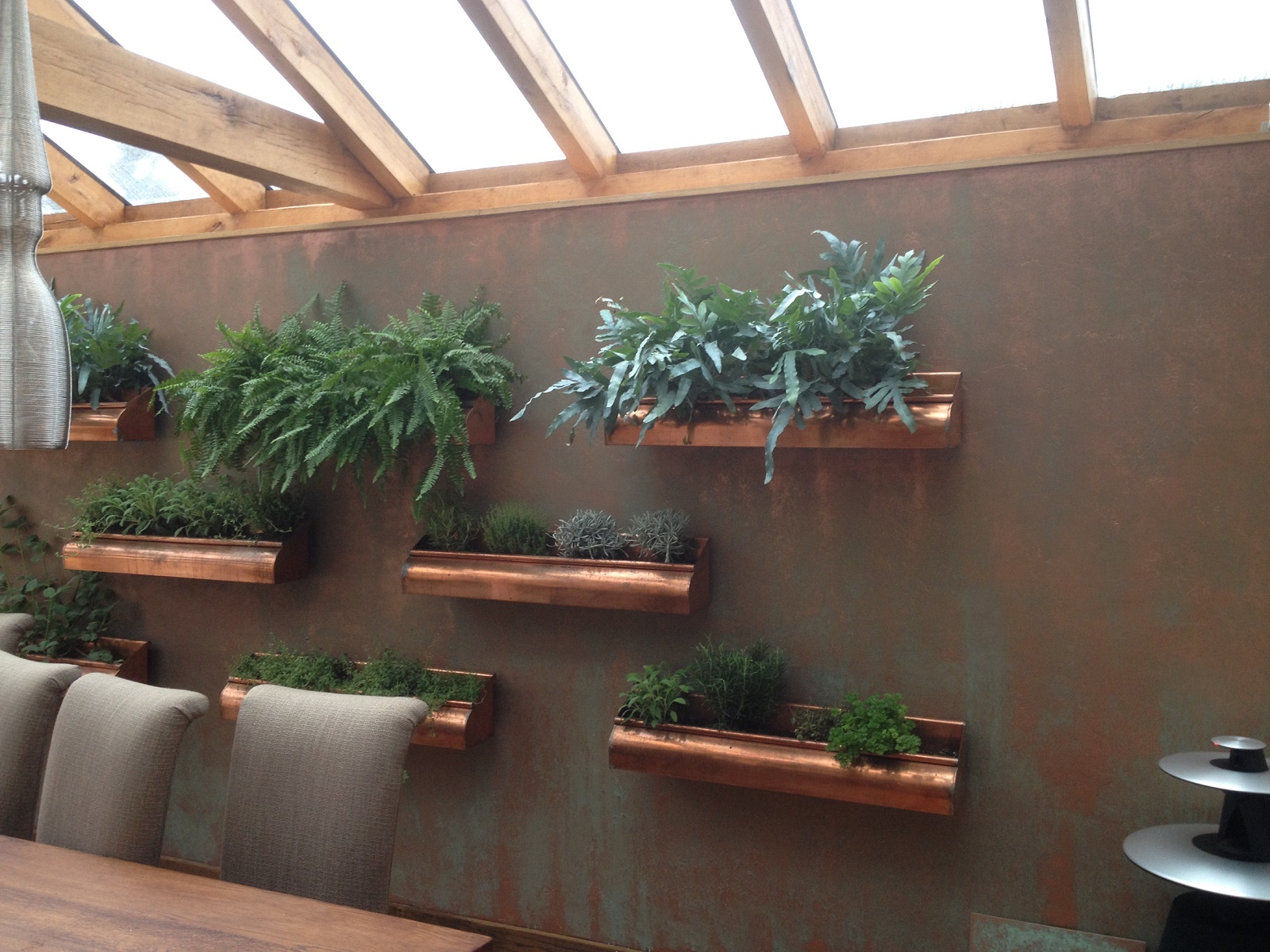

Natural antibacterial anti-mold, air purification and humidity regulation
Tagawa Shikkui & Diatom Paint Catalog
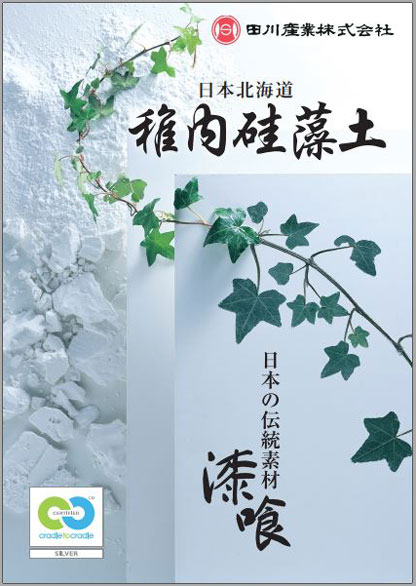
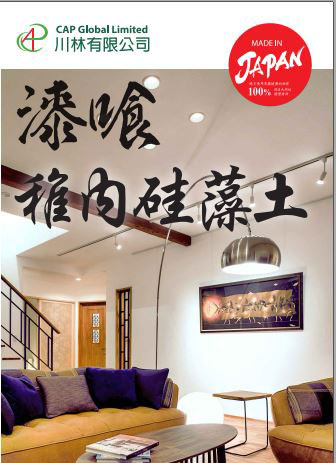
Daichi L/S Wakkanai Diatom Paint
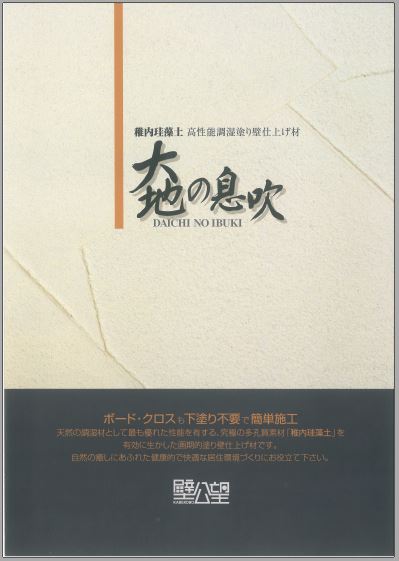
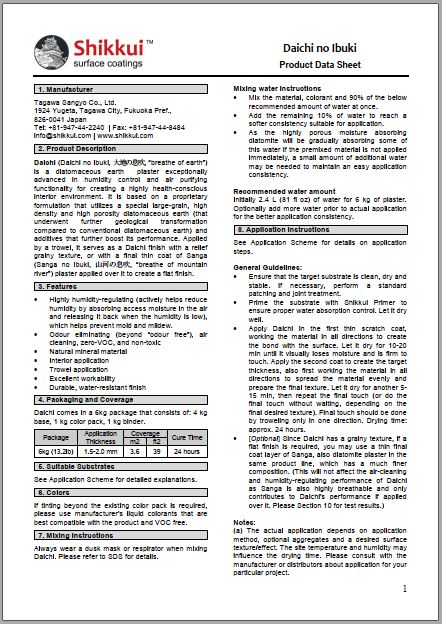
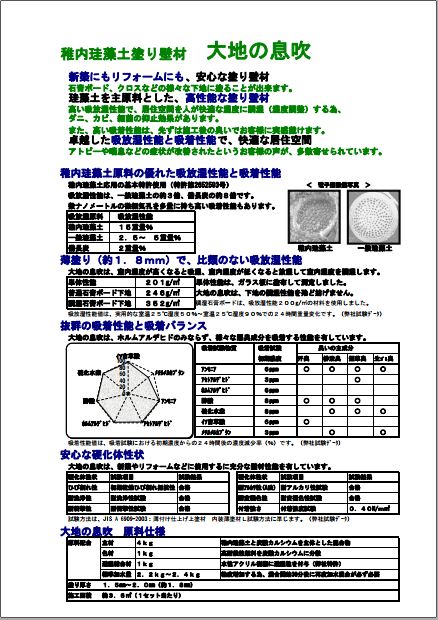
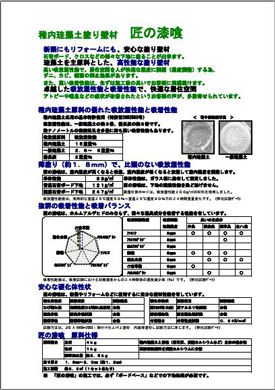
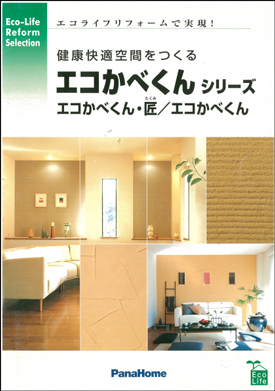
Takumi L/S Wakkanai Diatom Shikkui Paint
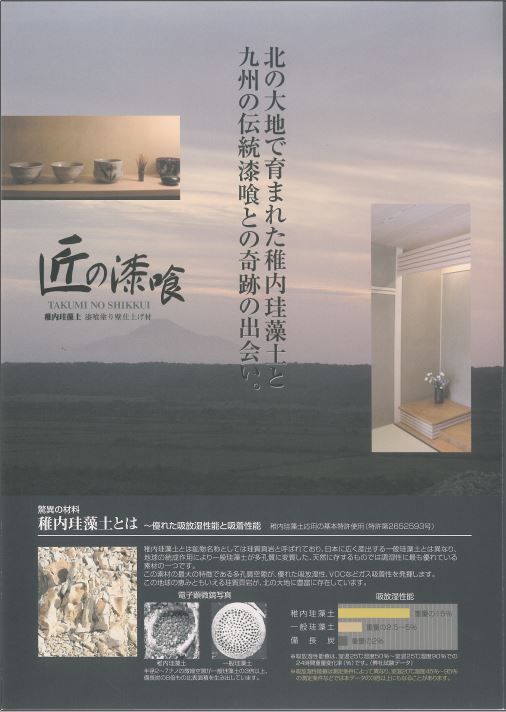
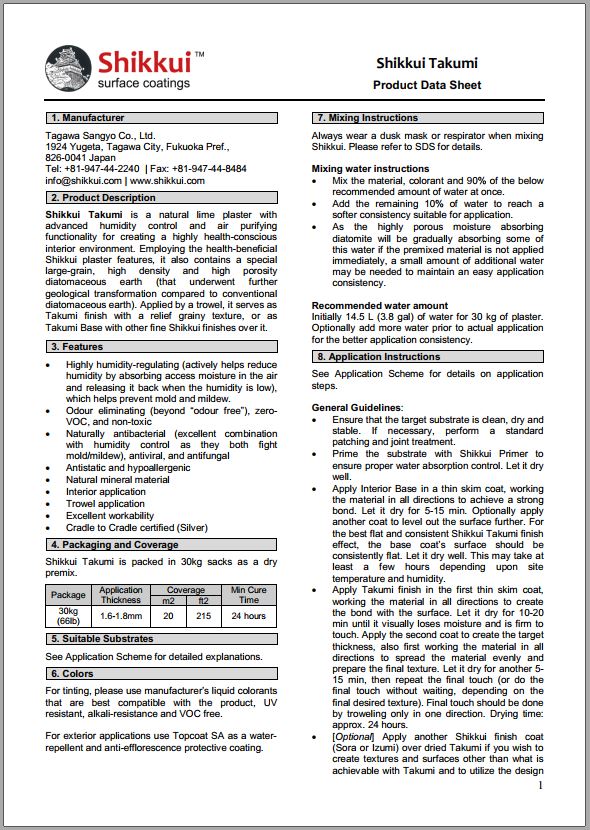
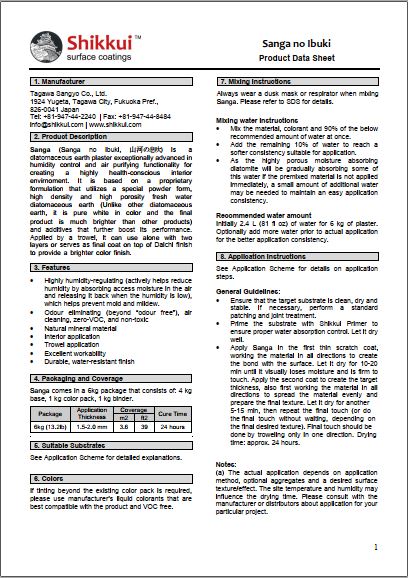
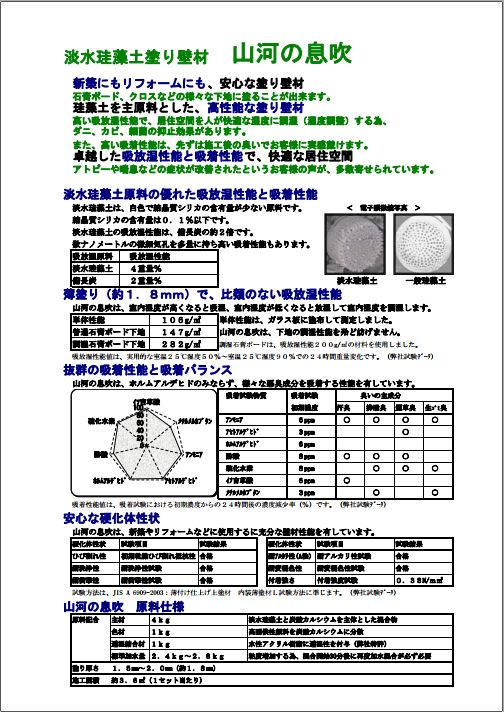
Sanga Freshwater Extra White Diatom Paint
Sora 100% Pure Shikkui Paint
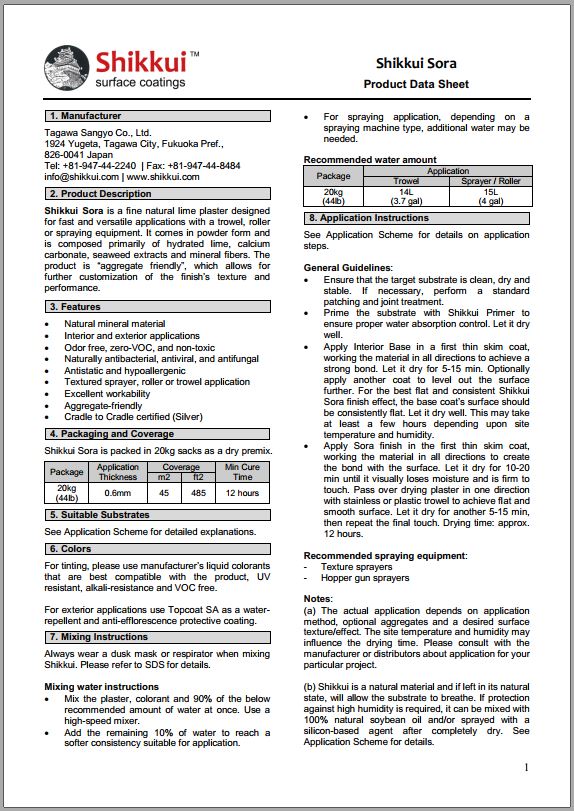
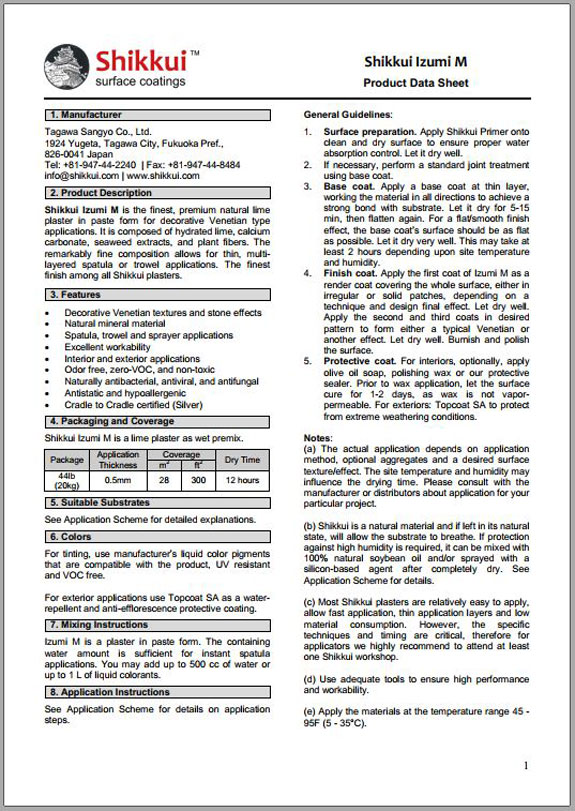
Other 100% Pure Shikkui Paints
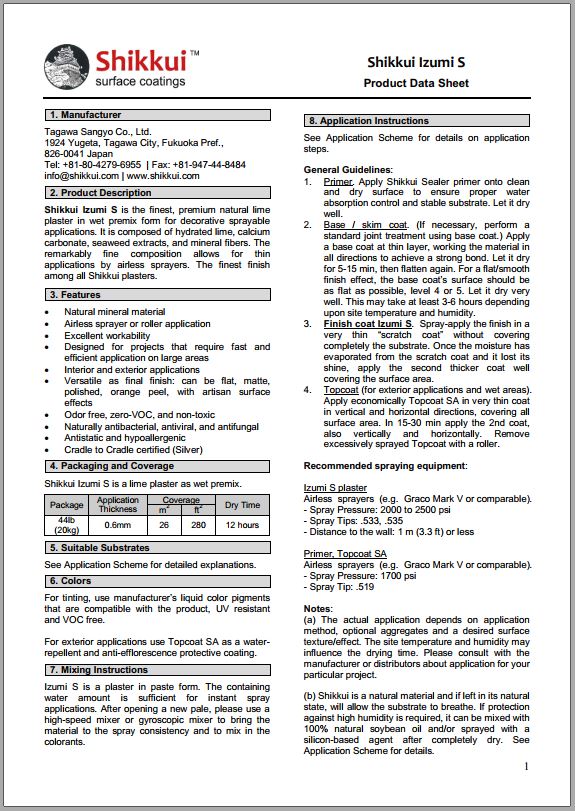
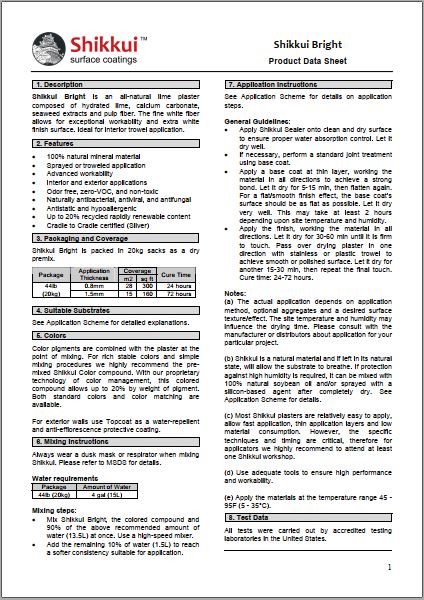
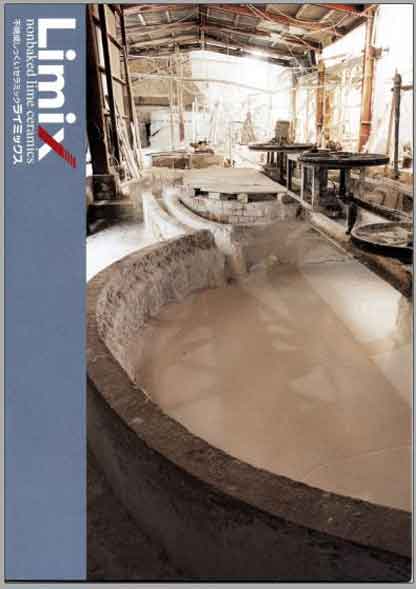
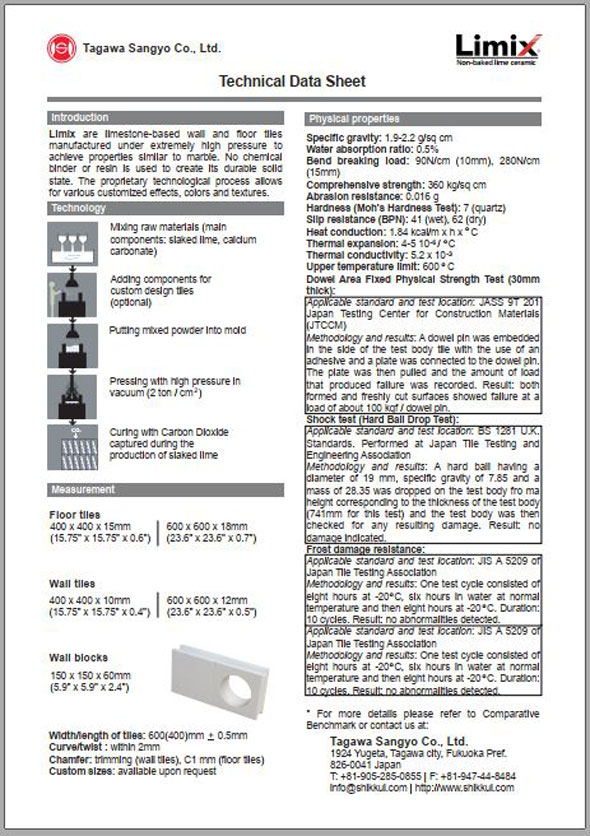
Limix Shikkui Tiles
Eco Certifications
Company Overview
Long History, Industry Leader
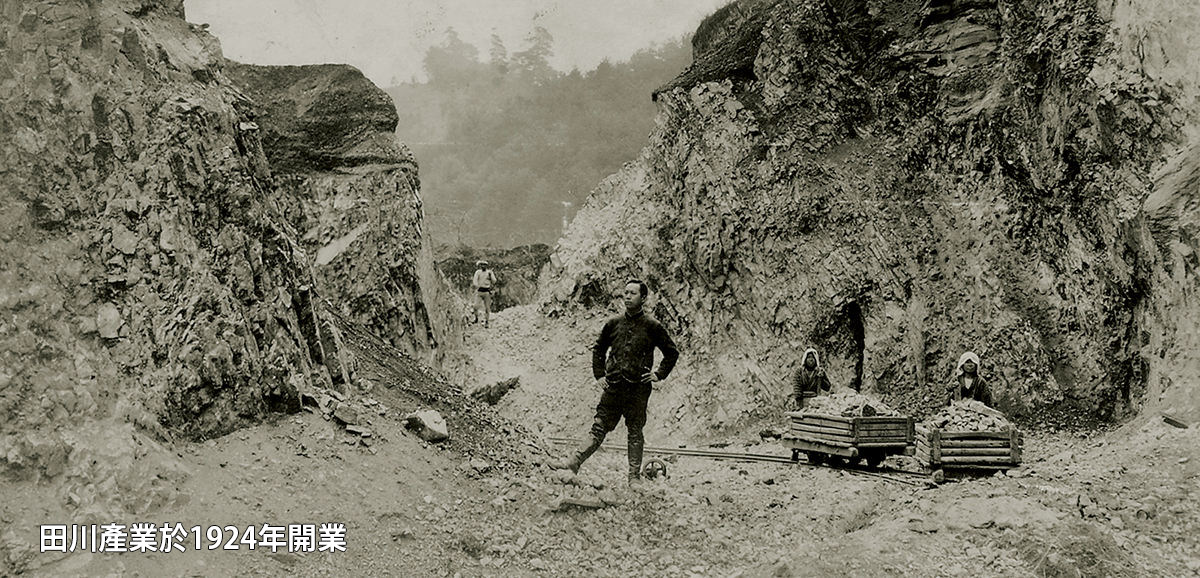
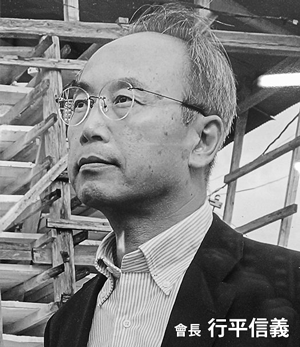
Tagawa was founded in 1924, with over 95 years of history. It is Japan's first manufacturer of bagged shikkui, with over 50 years since the 1960s. Famous traditional Japanese buildings such as Osaka Castle, Kumamoto Castle and Himeji Castle all use Tagawa products. Chairman Yukihira is Tagawa's fourth generation, passionate about shikkui promotion. He has served in key industry positions including Chairman of the All Japan Interior Decoration Materials Industry Association, Chairman of the Shikkui Association, Vice Chairman of the Japanese Sick House Syndrome Research Association, and Kyushu Branch Director. Unlike typical traditional Japanese companies, he is very active in overseas promotion, with products sold worldwide.
Constant Innovation, Numerous Awards
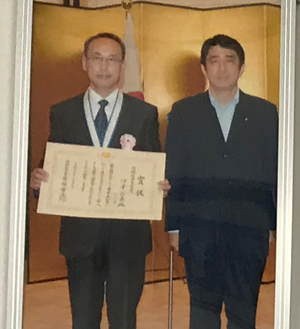
Tagawa is Japan's first manufacturer of pre-packaged shikkui, with decades of history. Famous traditional Japanese buildings such as Osaka Castle, Kumamoto Castle and Himeji Castle use it indoors and outdoors. Shikkui is mainly applied with trowels. To popularize shikkui use, Tagawa continuously develops new types - shikkui that can be applied with rollers or spray guns, shikkui that can be polished, or shikkui with Venetian plaster-like appearance. Products have won numerous awards.
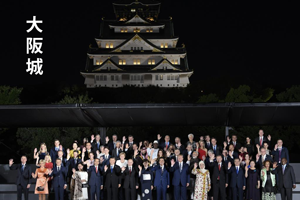
Used in Famous Japanese Buildings
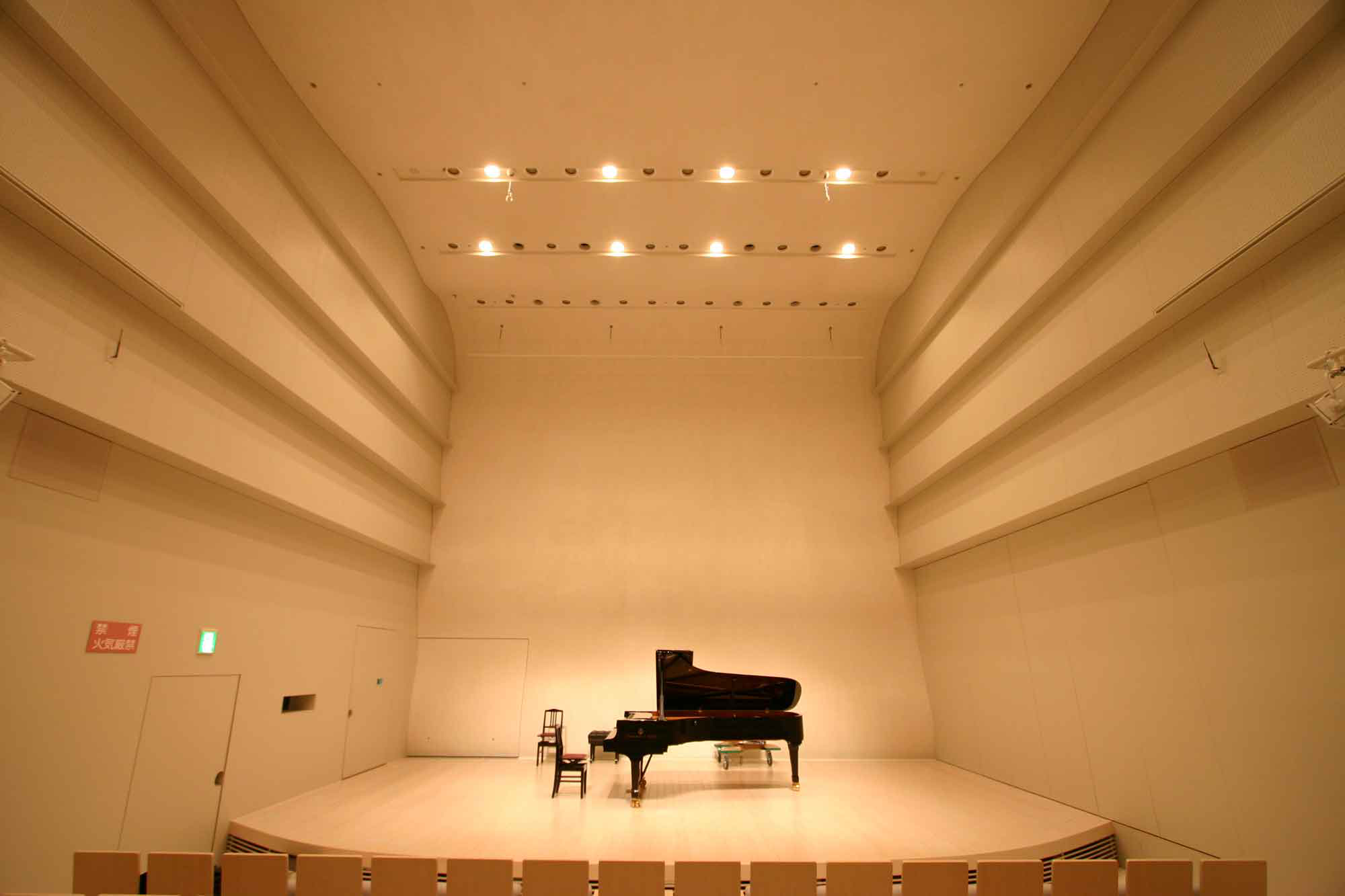
Osaka Castle, Kokura Castle, Kumamoto Castle, Himeji Castle, Numazu Former Imperial Villa, Hirado Dutch Trading Post, Aomori Bank Main Building, Toyama Zuiryuji Temple (National Treasure), Shizuoka Sengen Shrine (Important Cultural Property), Nara Kasuga Taisha (National Treasure), Dojoji Temple Main Hall, Ashikaga Samurai Residence, Dogo Onsen Main Building (Important Cultural Property), Matsumoto Residence (Important Cultural Property), Chiba City Public Assembly Hall Concert Hall
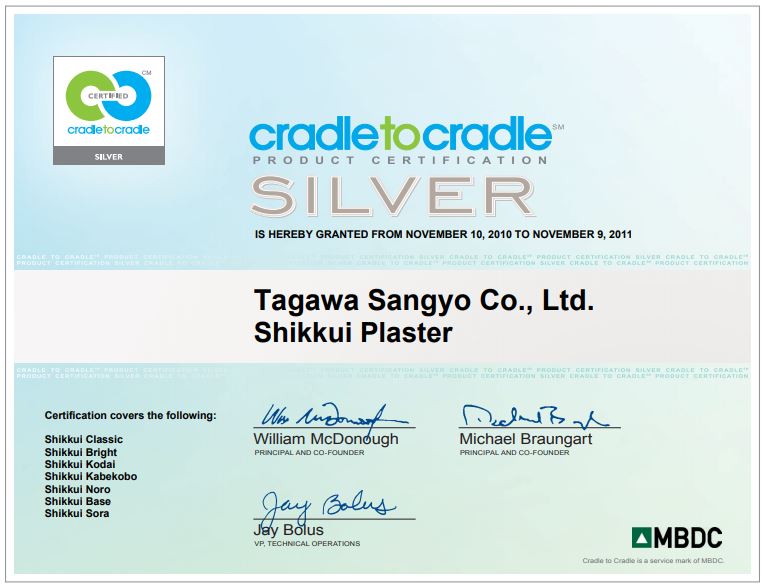
All Products Cradle-to-Cradle Silver Certified
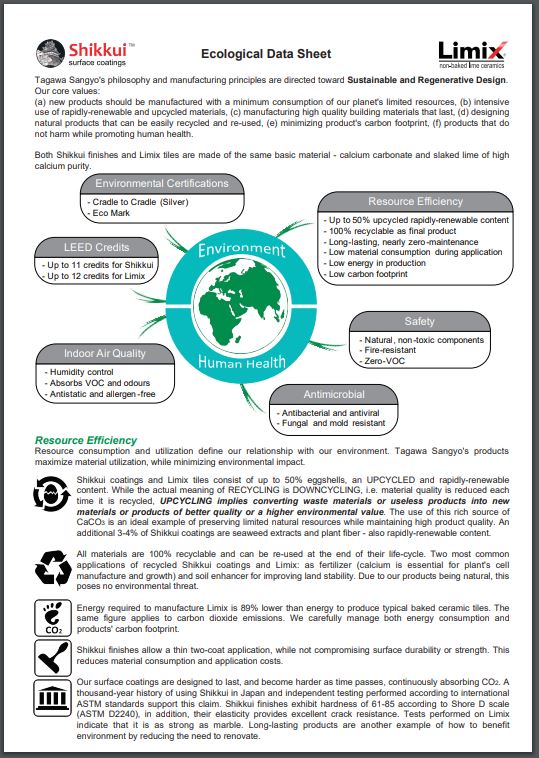
All Tagawa coatings are Cradle-to-Cradle Silver certified. This certification is issued by McDonough Braungart Design Chemistry to confirm Tagawa's commitment and achievement in maintaining healthy ecosystems. For Cradle-to-Cradle details, click here.
Leed Credit
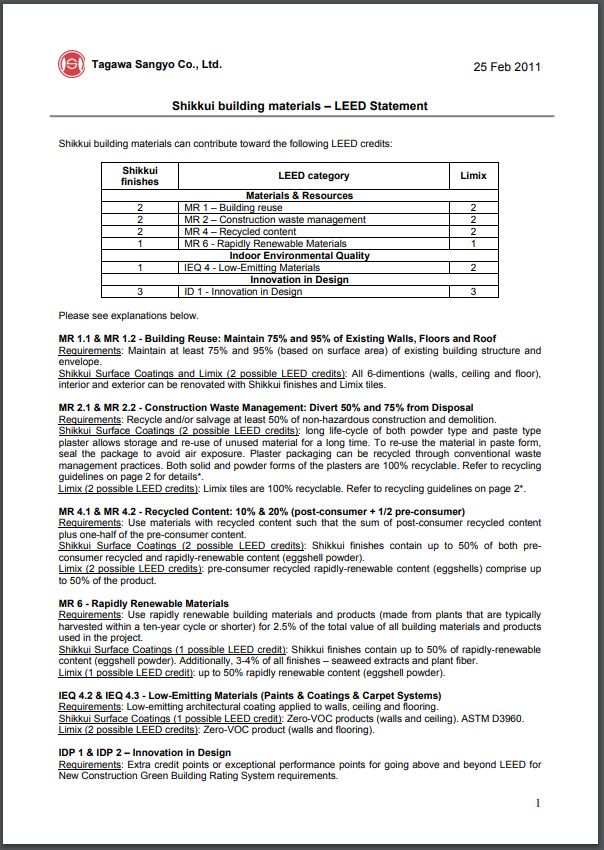
All Tagawa coatings and Limix Tiles can contribute 11 and 12 LEED credits respectively in the following categories: MR-1 (Building Reuse), MR-2 (Construction Waste Management), MR-4 (Recycled Content), MR-6 (Rapidly Renewable Materials), IEQ 4 (Low-Emitting Materials) and ID-1 (Innovation in Design). For details, see our LEED Statement. For LEED Credit details, click here.
Japan Shikkui Association Certified
All Tagawa coatings are certified by the Japan Shikkui Association. For Japan Shikkui Association details, click here.
What is Japanese Shikkui
What is Shikkui?
-
As early as 10,000 years ago, humans used lime as building material. Lime's natural properties include hypoallergenic, anti-dust mite, anti-mold, antibacterial, humidity regulation, waterproof, antistatic, highly breathable, and VOC-free.
In Japan, lime has been used since ancient times to make wall materials, called "shikkui". Famous traditional Japanese buildings such as Osaka Castle, Kumamoto Castle and Himeji Castle use it indoors and outdoors.
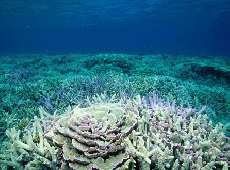
Shikkui is traditional Japanese paint with thousands of years of history. The main component is coral reef from the sea, formed into natural limestone over hundreds of millions of years of geological change. Processed limestone with other natural materials becomes premium healthy paint.
Shikkui Transformation Process
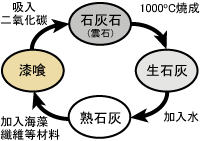
Natural limestone (CaCO3) heated to 1000°C in a kiln transforms into "quicklime" (CaO). Adding water produces "slaked lime" (Ca(OH)2). Slaked lime mixed with natural seaweed (ginkgo algae) and natural hemp fiber becomes shikkui wall material. After application, shikkui continuously absorbs CO2 from the air and releases moisture, reverting to limestone. Thus shikkui gradually becomes natural mineral, growing stronger over time.
Shikkui Ingredients
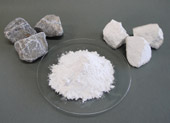
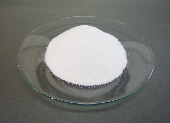
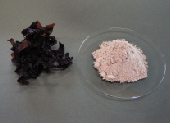
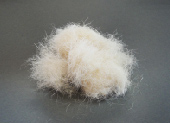
Shikkui ingredients are all natural materials, safe and healthy.
Shikkui Features
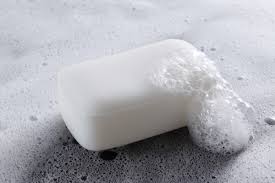
Shikkui has higher alkalinity than soap, natural anti-mold, no chemicals needed
Have you ever seen soap mold? Why doesn't soap mold even in humid, bacteria-rich bathroom environments? Because soap has high alkalinity that prevents mold growth. Shikkui is natural material with pH 12-13, higher alkalinity than soap (pH 8-10). It quickly kills bacteria and viruses, and mold cannot grow in humid environments. Very suitable for Hong Kong homes, especially families with children, elderly or those with weaker immunity.
Shikkui does not generate static electricity, less dust than wallpaper and emulsion paint
Research shows that dust reappears quickly after cleaning because it comes from walls and ceilings. Air flow friction generates static electricity on walls and ceilings, which attracts dust from the air. It accumulates then falls. So even if you mopped the floor at night, there's already dust the next morning.
Emulsion paint has higher resin content and generates more static electricity. Shikkui ingredients don't generate static, so it doesn't attract dust easily. Less maintenance needed, indoor spaces stay cleaner.
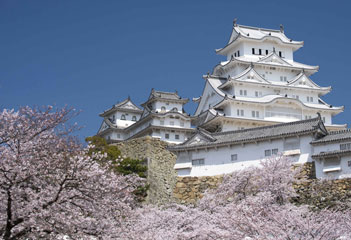
High durability, over 20 years outdoor use
After application, shikkui continuously absorbs CO2 from the air and releases moisture, reverting to limestone (marble is a type of limestone). Thus shikkui gradually becomes natural mineral, growing stronger over time. Suitable for indoor and outdoor use, lifespan over 20 years.
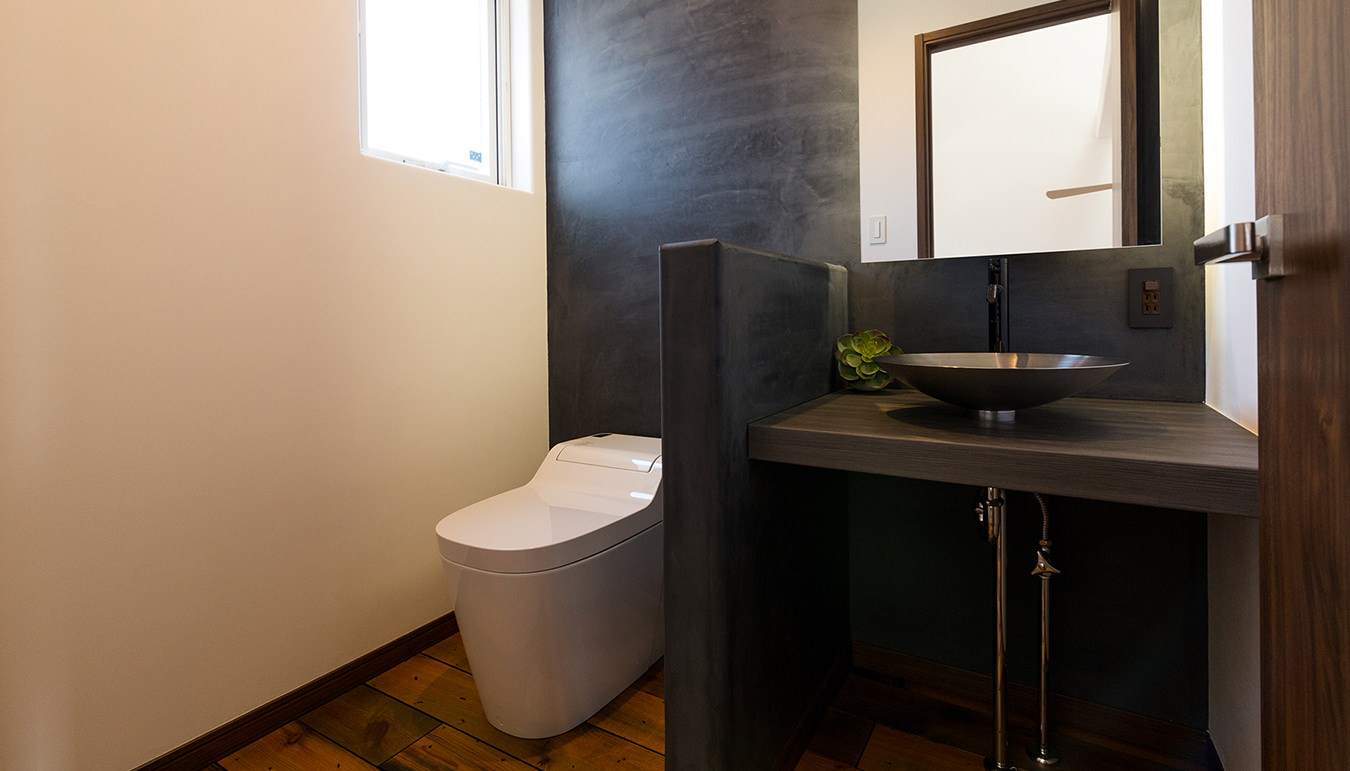
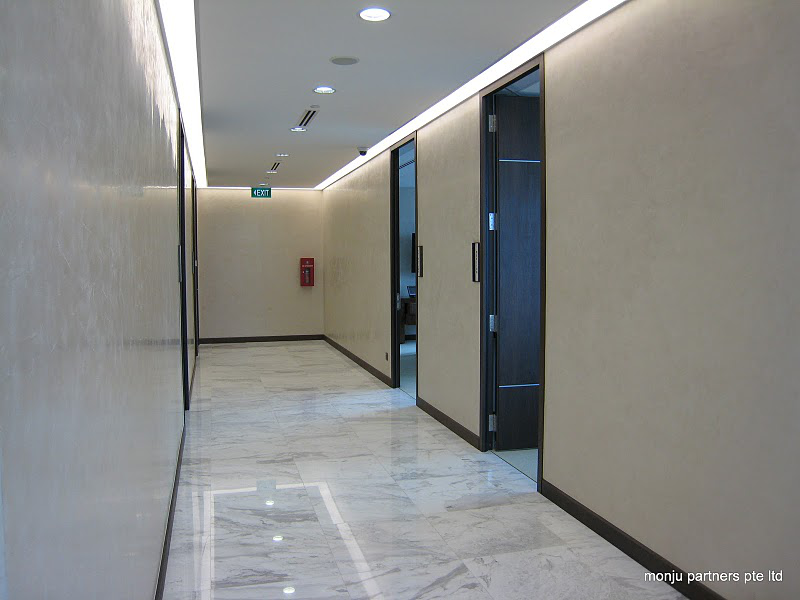
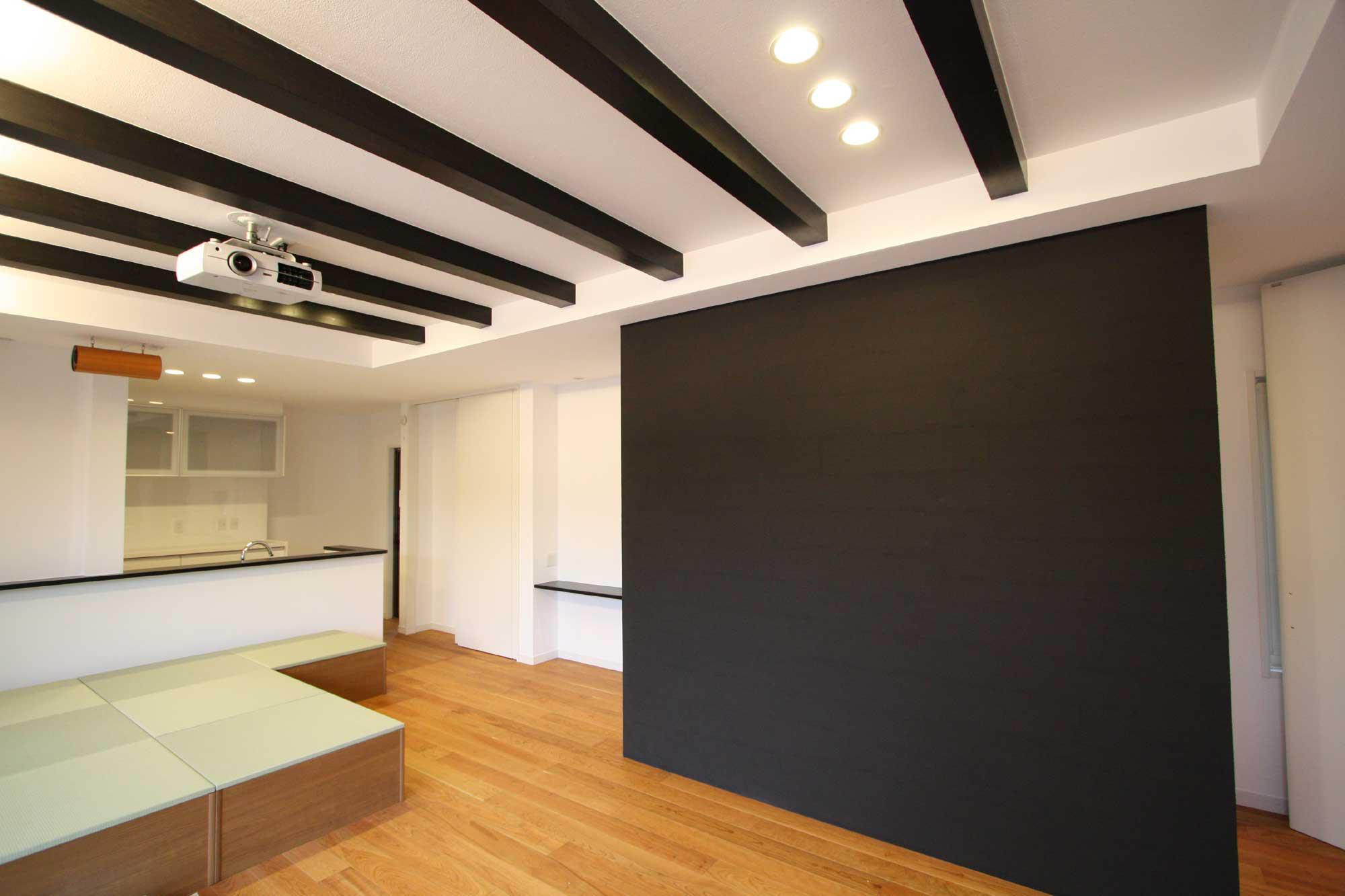
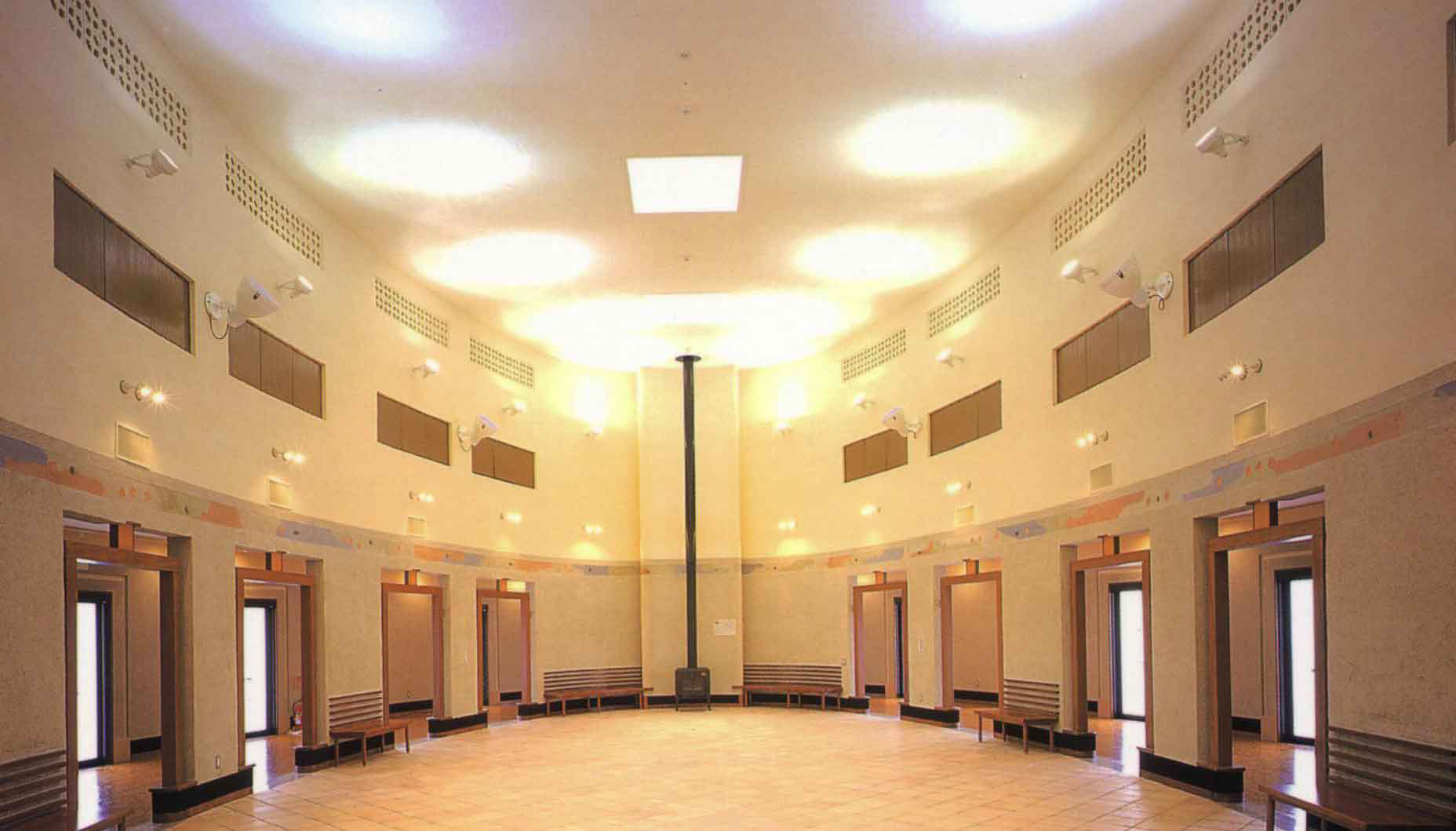
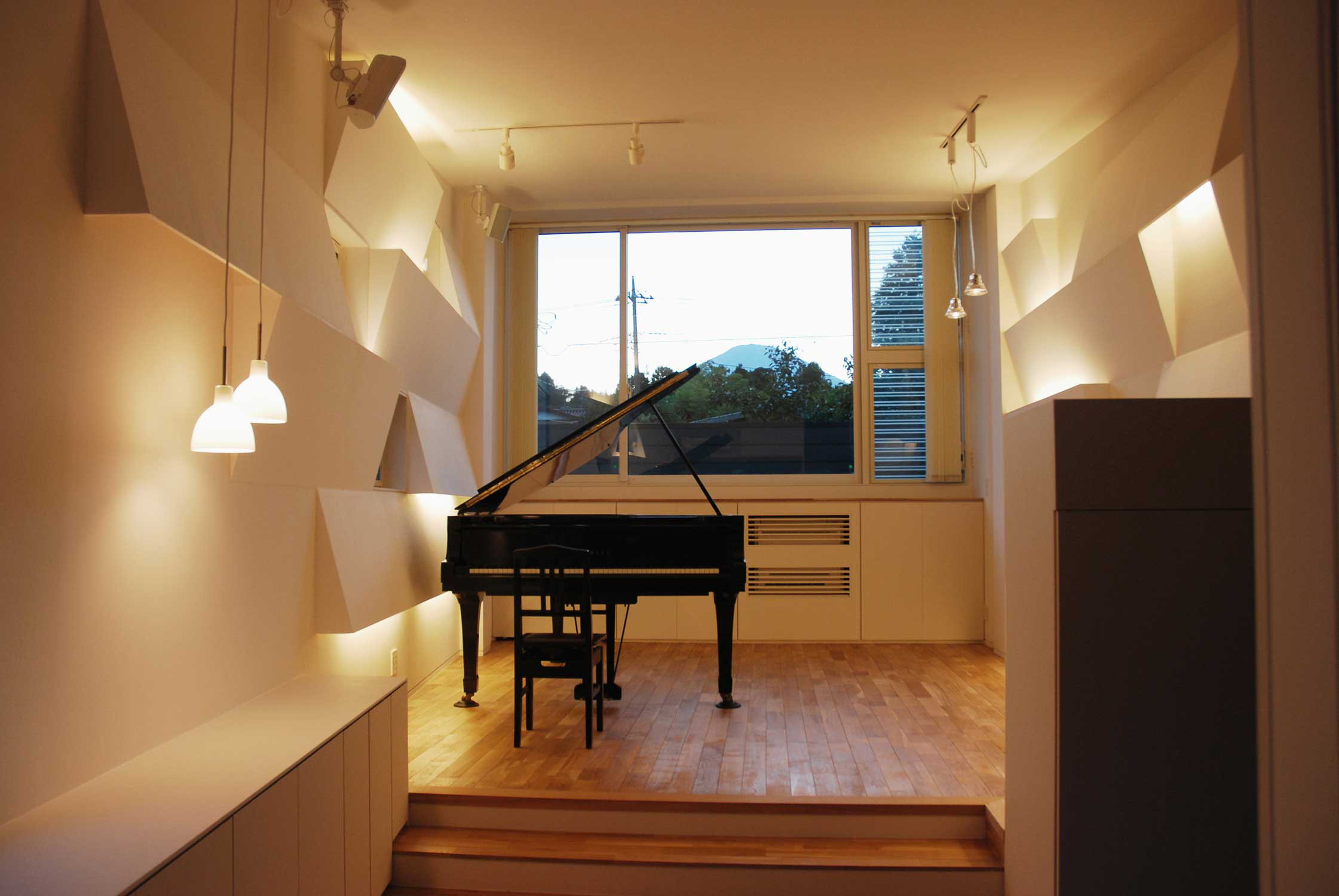
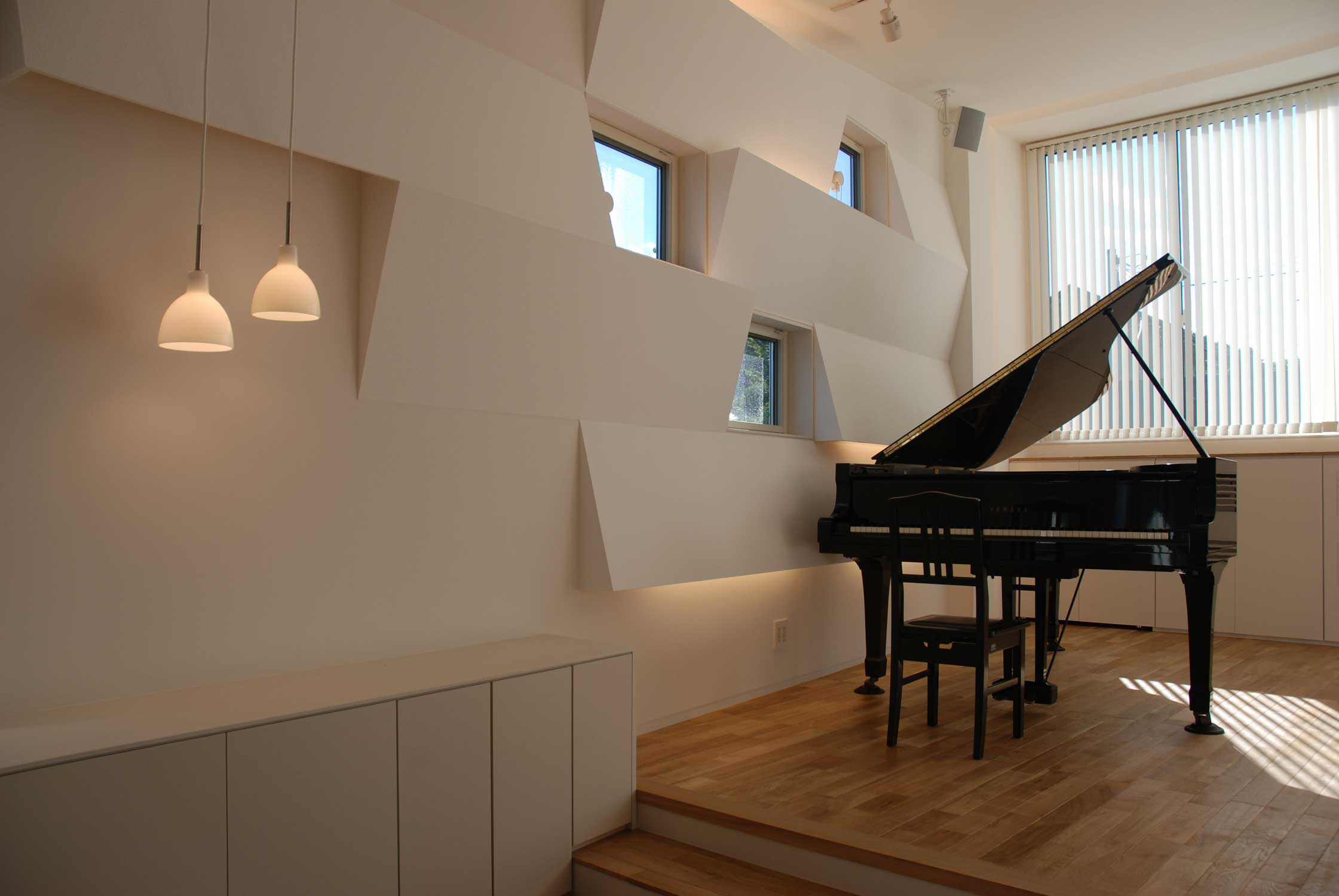
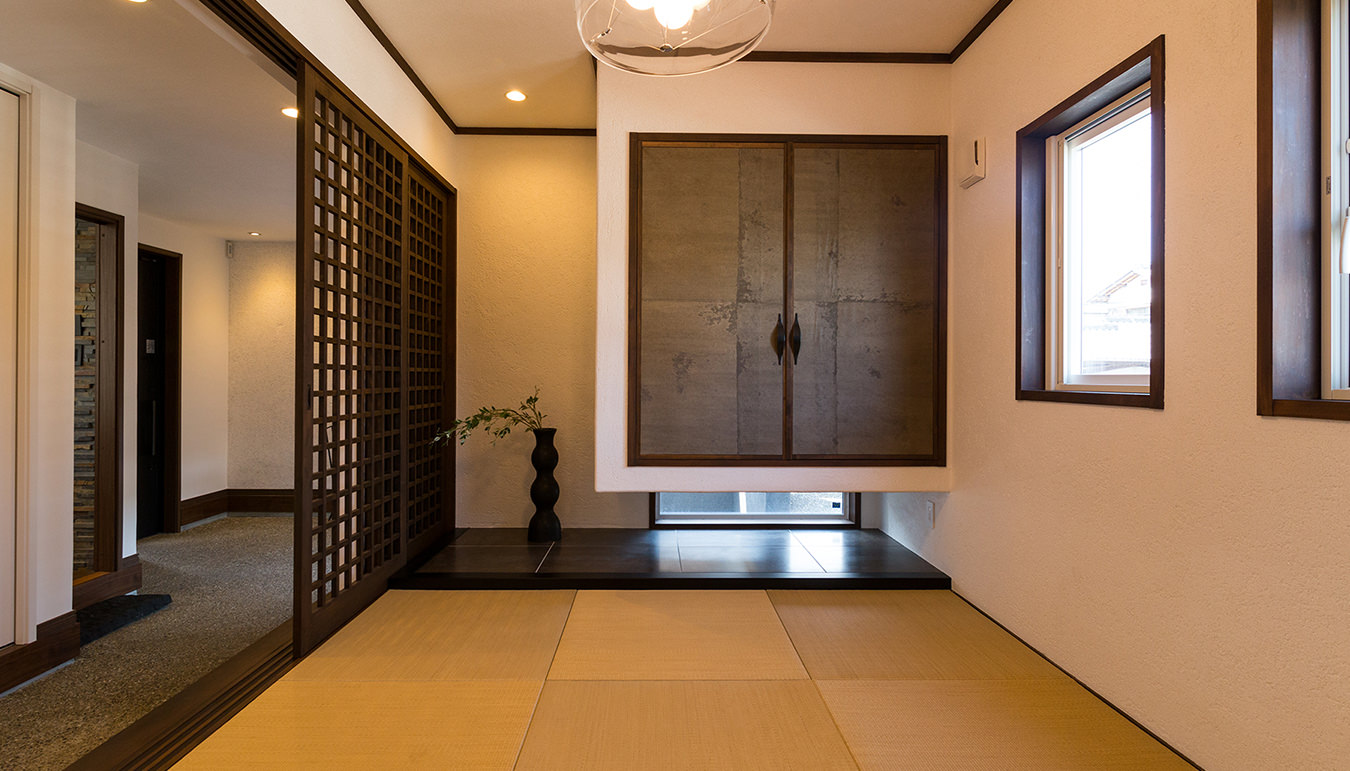
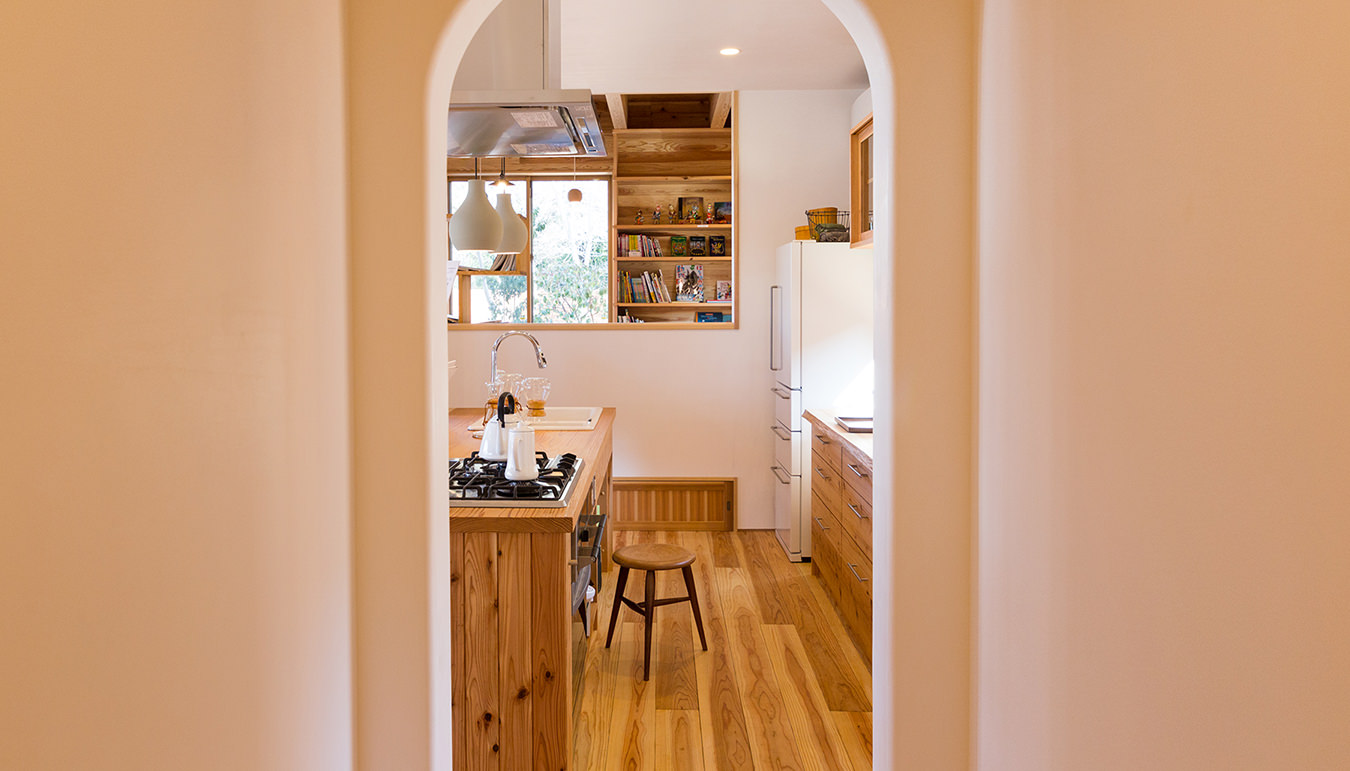
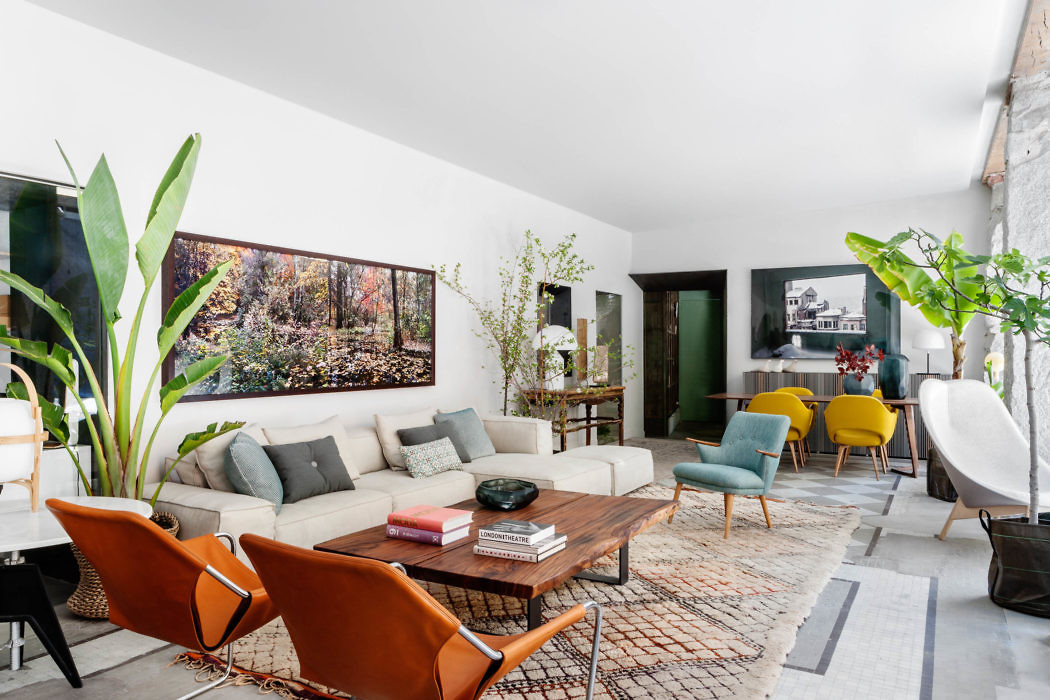
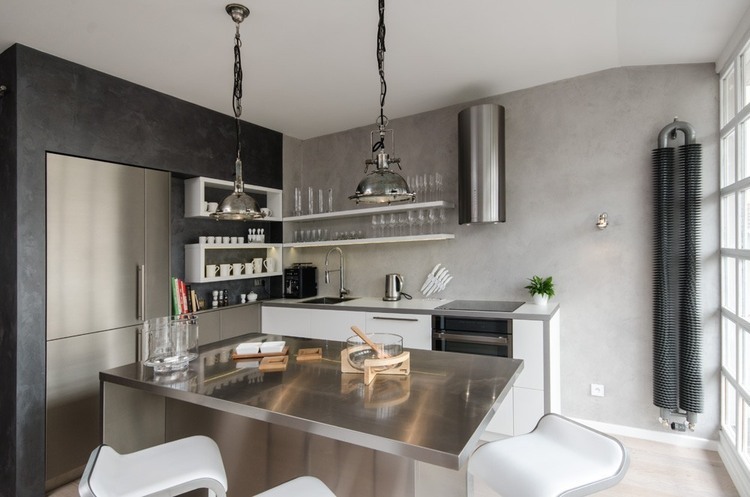
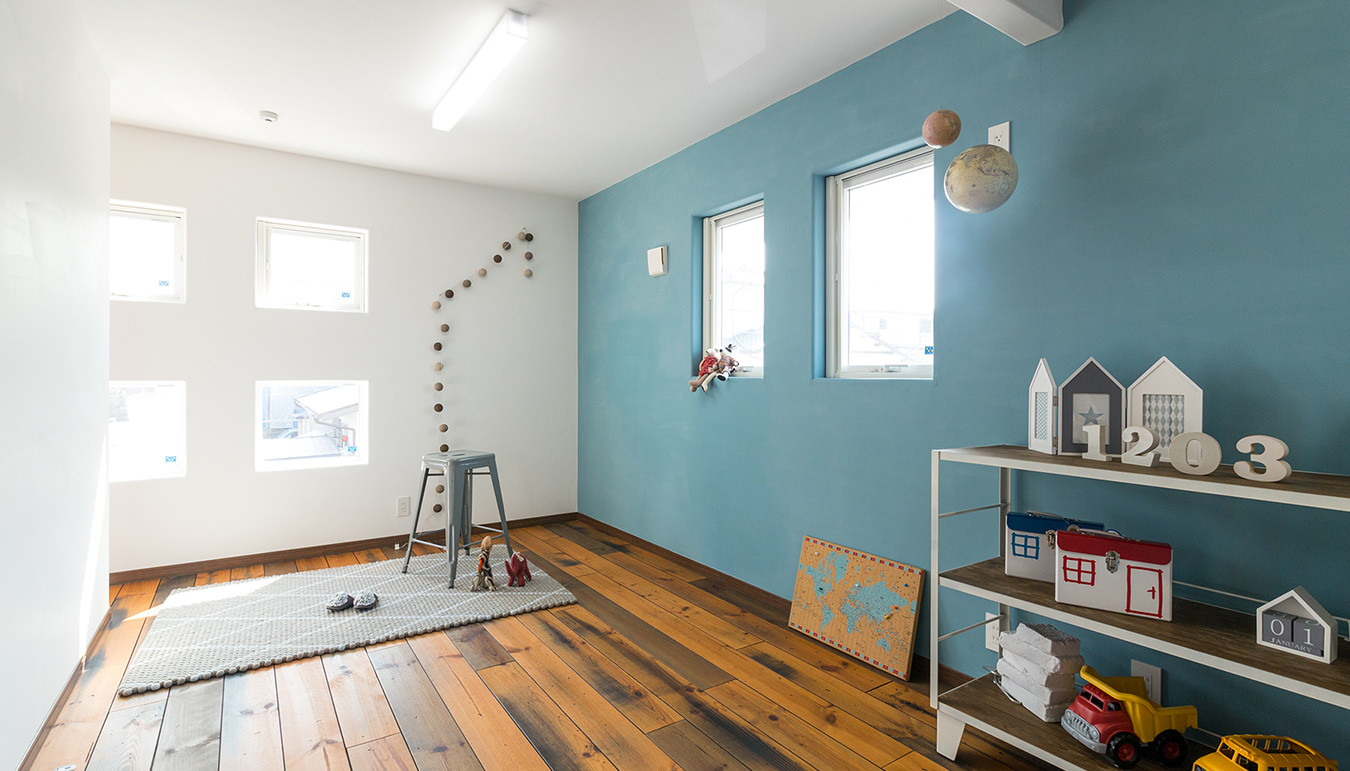
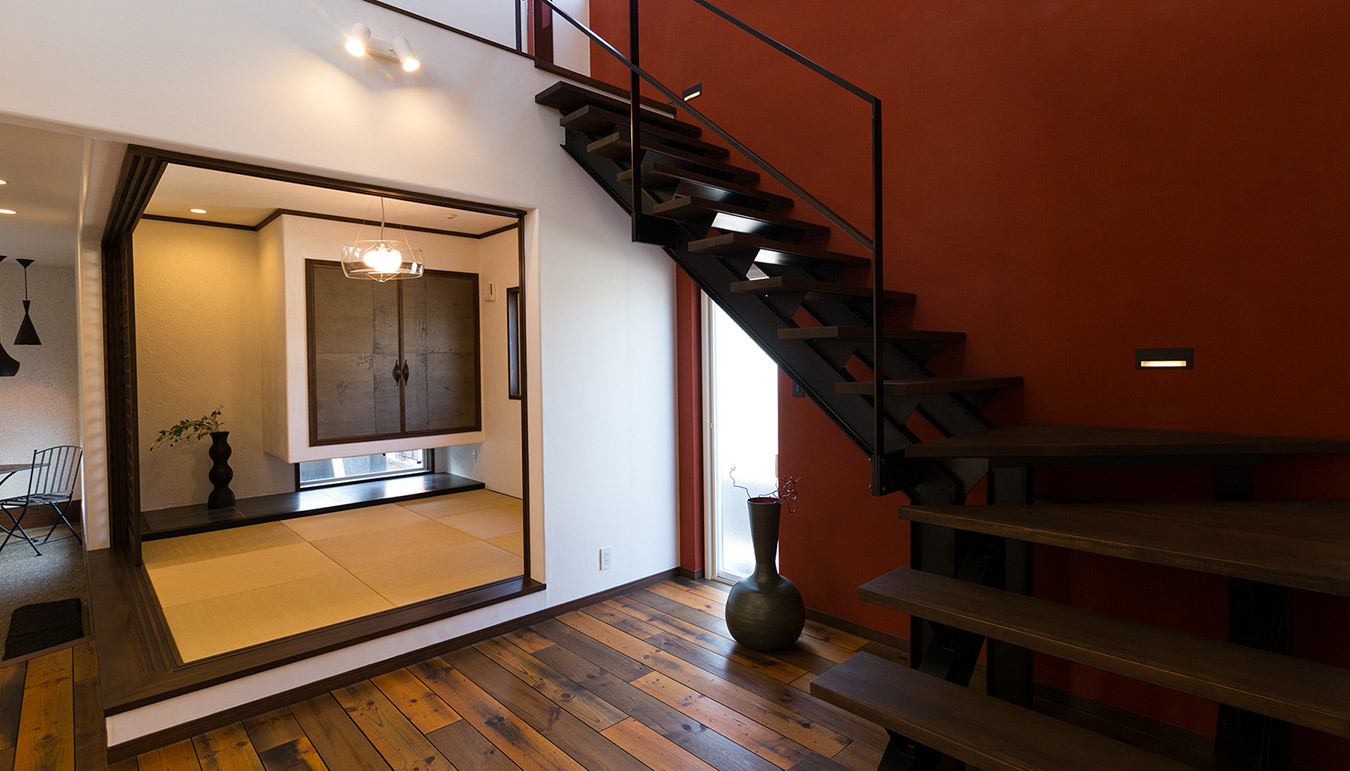
Gallery (Tagawa)
.jpg)
.jpg)
.jpg)