
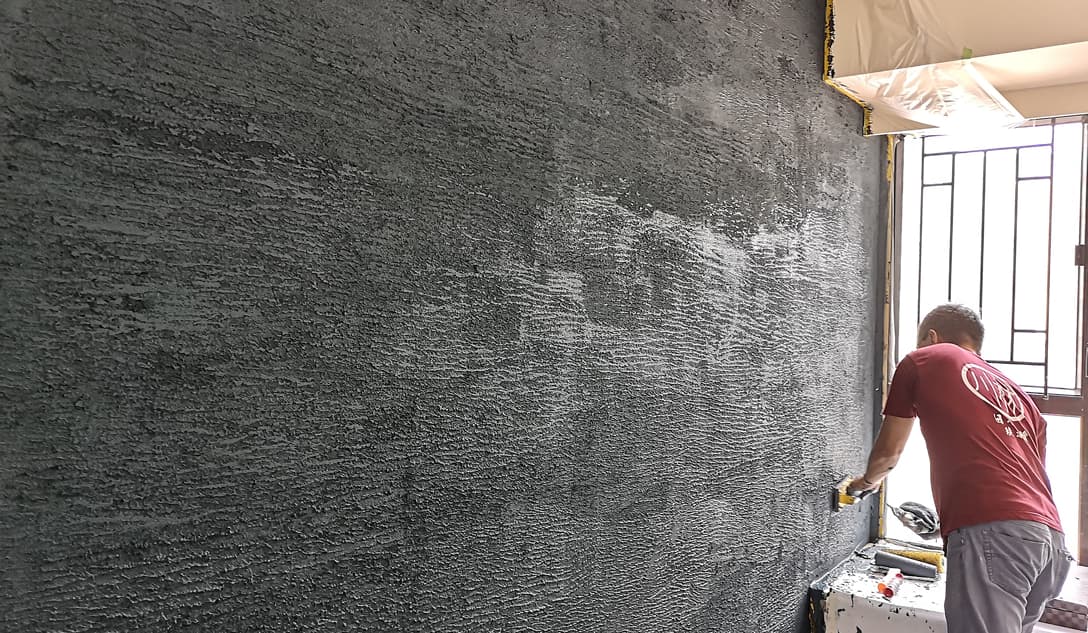

Wakkanai Diatom Features
What is Diatomaceous Earth?
-
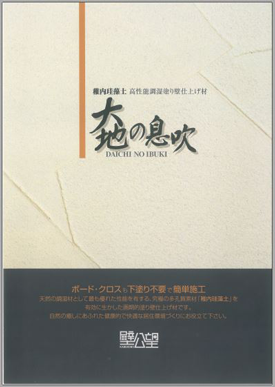
Diatoms are the earliest single-celled plant plankton on Earth. Their fossilized remains accumulated on seabeds and lake beds over tens of millions of years; the shell parts became 'diatomaceous earth' (also called diatomite or diatom mud).
Diatoms have 2-50nm 'ultra-porous structure' (1 millionth of 1mm), with 5,000-6,000x the pore count of charcoal. 'High-function humidity regulation' is a key feature, along with breathability, deodorizing, fire resistance, thermal insulation and more.
What is Wakkanai Diatom?
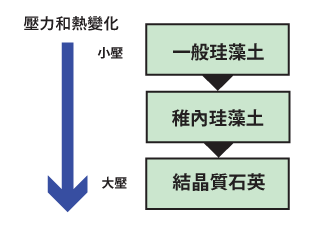
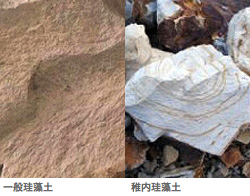
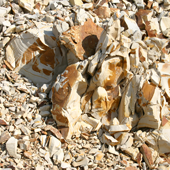
Diatom deposits exist in Japan, USA, China and elsewhere. Japan has five major regions: Hokkaido, Akita, Ishikawa (Noto Peninsula), Okayama and Oita. Hokkaido is the finest - Wakkanai, Japan's northernmost city, formed diatom shale 25 million years ago when crust uplift subjected diatom to pressure and heat, creating amorphous silica mineral 'diatom shale'. Wakkanai diatom appears as rock, not the soil-like mix with impurities from other regions - hence 'diatom shale'.
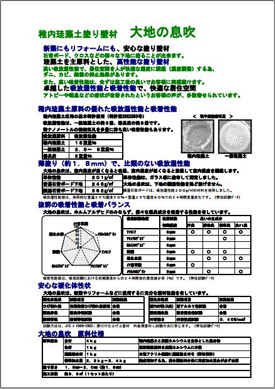
Diatom shale has 4x the pore volume, 5x the surface area, and 3-6x the humidity regulation of standard diatom.
In summary: Wakkanai diatom absorbs moisture faster and more - especially at high humidity.
Wakkanai Diatom vs Standard Diatom Comparison
Moisture Absorption Comparison
Wakkanai diatom shale has 3-6x the humidity regulation of standard diatom.
Absorption/Release Speed Comparison
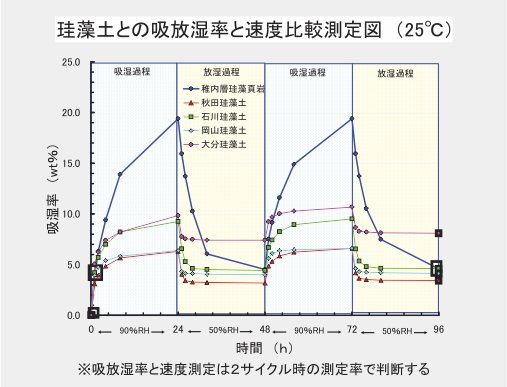
Wakkanai diatom shale absorbs in under 5 hours what standard diatom takes 24 hours - 5x faster.
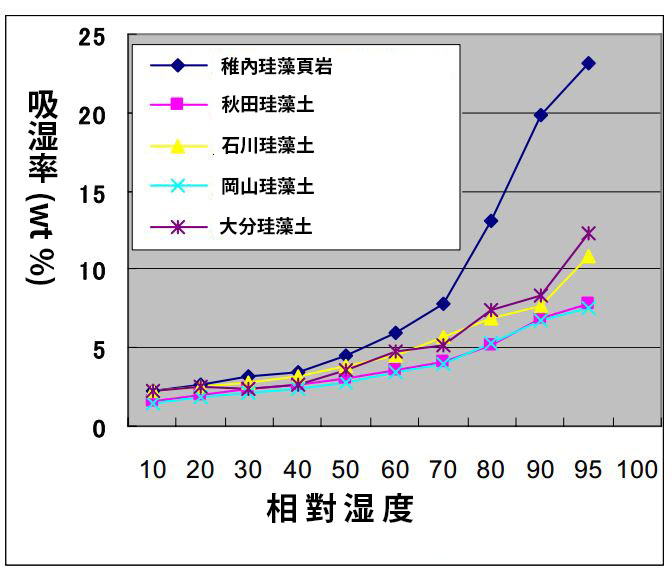
Moisture absorption at different relative humidity levels
-
Wakkanai diatom excels at high humidity
Above 60% relative humidity, Wakkanai diatom's absorption outperforms standard diatom. The higher the humidity, the greater the difference.
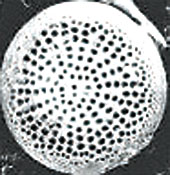
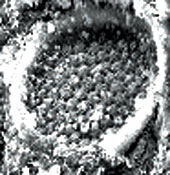
Structure comparison
-
Standard diatom
Standard diatom: pore size ~0.44-0.51nm, surface area 17~28m2/g, pore volume 0.05m3/m2/g.
-
Wakkanai diatom
Wakkanai diatom: pore size ~0.4nm, surface area 101.43m2/g (4~6x standard), pore volume 0.2122m3/m2/g (5x standard).
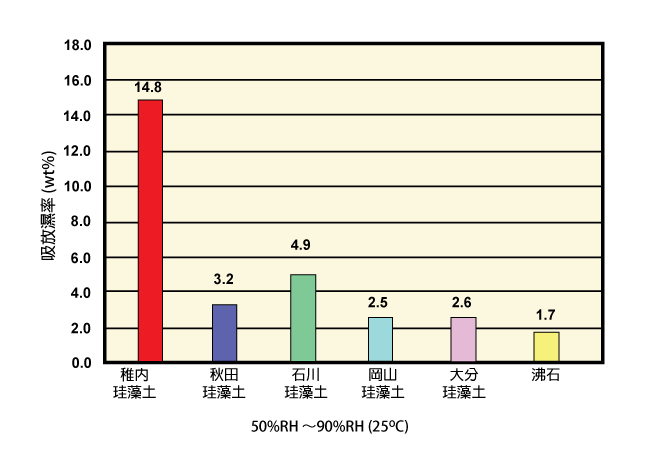
Japanese diatom comparison by region
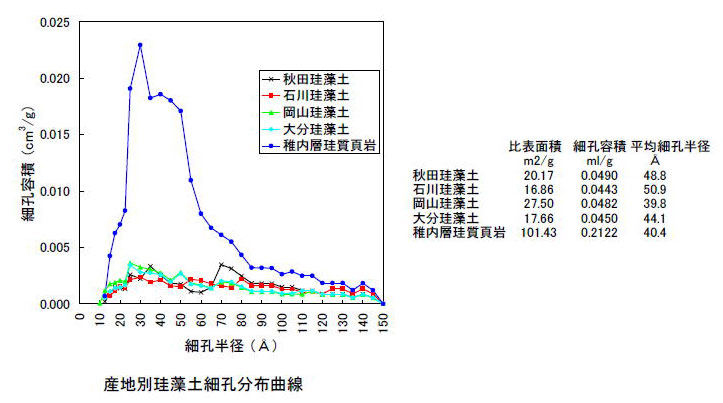
Wakkanai diatom shale has 4~6x the pore volume and 5x the surface area of standard diatom - explaining its superior moisture absorption.
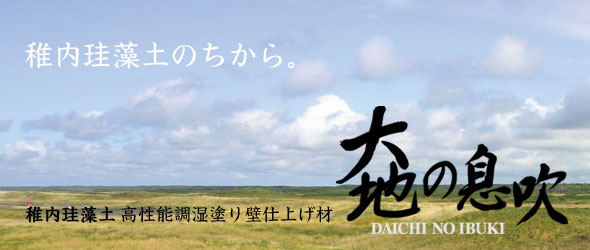
200+ ml Moisture Absorption
Hokkaido Wakkanai Diatom Paint Daichi
200+ ml absorption/release capacity - ideal for compact Hong Kong homes
Wakkanai diatom paint (diatomite, diatom mud) has superior humidity regulation??- inhibits condensation, prevents wall mold and dust mites, plus deodorizing, formaldehyde removal and air purification. Ideal for health-conscious and allergy sufferers. Hong Kong homes have limited space; Wakkanai diatom has 2~3x the humidity regulation of standard diatom - one wall equals 2~3 ordinary walls.
?�Humidity regulation: absorbs moisture when humid, releases when dry, keeping comfort level.
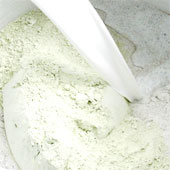
Premium Hokkaido Wakkanai diatom and patent binder
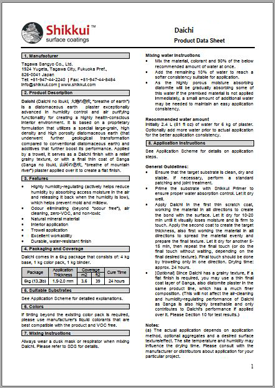
Daichi uses patent-treated (PAT NO. 2652593) Hokkaido Wakkanai diatom with a patent breathable binder that doesn't reduce diatom performance. Easy to clean and apply, very durable.
Why choose Daichi? ??
?
Over 200 ml/m² absorption/release
High-performance Wakkanai diatom - 3x the capillary pores of standard diatom.
?�Tested at 25°C, 50%~90% RH. At 23±2°C, 45±5%~90±5% RH, Daichi L exceeds 245 ml/m².
High absorption + fast absorption speed
Special binder doesn't block diatom pores. High-strength binder makes paint durable, wipeable with damp cloth.
High moisture absorption, low water absorption
Absorbing vapour ??absorbing liquid. Daichi has very high vapour absorption but low liquid absorption - stays clean.
Wipeable with damp cloth, easy maintenance
Many high-absorption diatom paints can't be wiped. Daichi's unique binder preserves absorption and allows damp-cloth cleaning.
Tough surface
Daichi contains plant fibres for a tough surface that resists impact and helps hide fine cracks.

Product Details
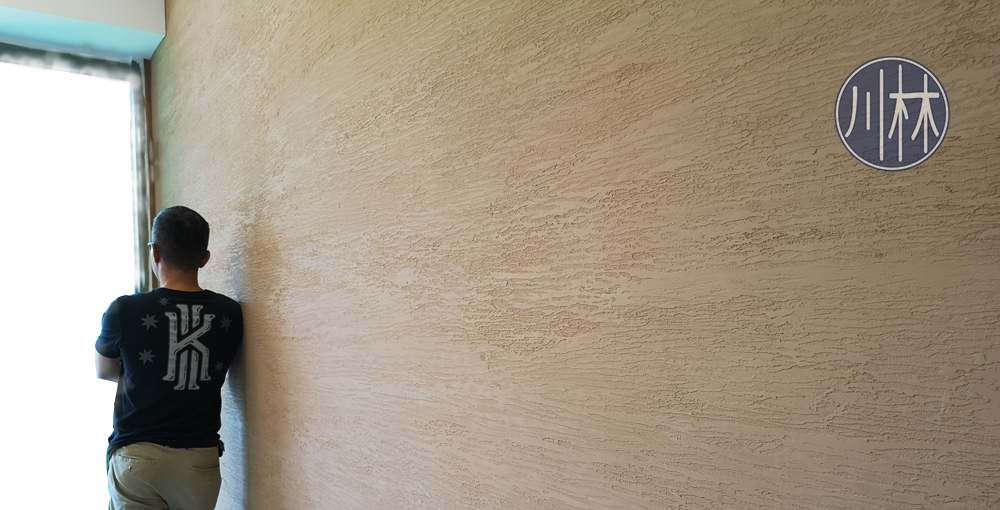
Daichi uses Wakkanai diatom - outstanding moisture absorption and air purification
Daichi excels at high humidity
-
Above 60% relative humidity, Wakkanai diatom outperforms standard diatom. The higher the humidity, the greater the difference.
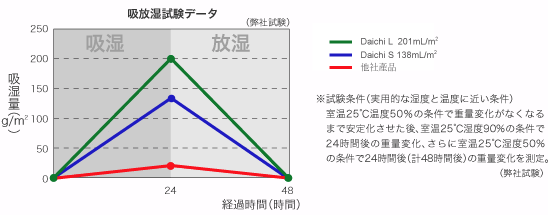
?�Tested at 25°C, 50%~90% RH. At 23±2°C, 45±5%~90±5% RH, Daichi L exceeds 245 ml/m².
Standard diatom paint absorbs ~25 ml/m² in 24 hours; Daichi achieves the same in 3 hours.
Does fast water absorption mean fast vapour absorption?
-
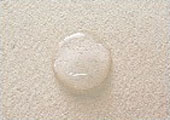
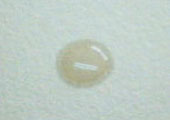
To demonstrate absorption, many spray water on diatom paint and judge by how fast liquid is absorbed - this is misleading.
When diatom absorbs moisture, no water stain remains on the surface. Stains mean moisture is still in gaps; as diatom absorbs it, stains fade. Faster stain disappearance = stronger vapour absorption.
Compare stain disappearance speed to see true absorption ability.
High stain resistance
-
Daichi combines high vapour absorption with low liquid absorption.
Daichi maintains vapour absorption by preserving pore size - water vapour passes through for humidity regulation. By optimizing pore structure, superhydrophobic effect* prevents liquid penetration and staining. (Patent pending) ?�Lotus-leaf effect - fractal structure.
Excellent air purification
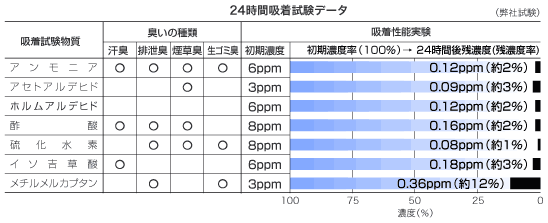
Daichi uses special binder that doesn't block diatom pores
-
Diatom paint requires a binder
Diatom doesn't cure by itself - it must be mixed with a binder. Ordinary binders block diatom pores and reduce function. More diatom isn't always better - binder type and ratio matter.
Increasing diatom content requires more binder for hardness, but too much binder reduces diatom function. Without enough binder, the surface may be weak and melt or powder when wiped. Some products state they cannot be touched or wiped.
Problems with ordinary binders
-
Binder types include resin, plant glue, starch, cement, lime (slaked lime), gypsum. Resin bonds best and is most stable, but increasing amount blocks diatom pores and reduces humidity regulation.
Using only natural materials (plant glue, starch) without resin typically gives weak surfaces that may melt or crumble when wiped, and age faster - powdering after a few years.
Daichi binder doesn't block diatom
-
To maximize Wakkanai diatom's absorption/desorption, we developed a breathable water-based acrylic binder. Unlike ordinary resin binders, it doesn't block humidity-control pores. Safe and eco-friendly - no formaldehyde or harmful substances. (Patent pending)
More diatom isn't always better - binder matters. Increasing diatom requires more binder for hardness; too much binder reduces diatom function. Not enough binder affects durability and causes powdering.
Texture Tools
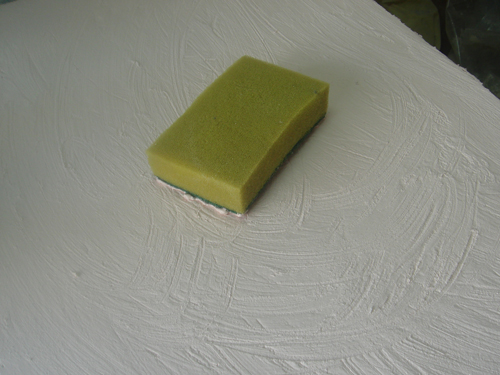 No. 1
No. 1
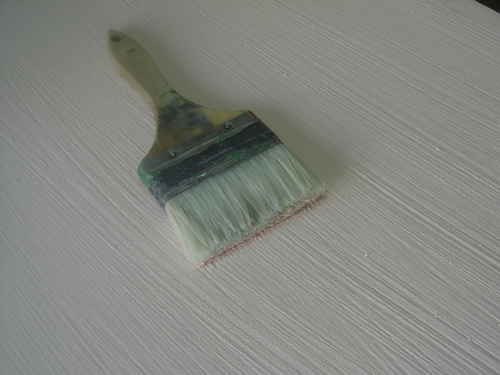 No. 2
No. 2
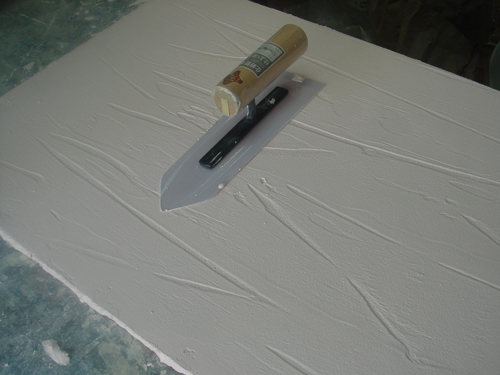 No. 3
No. 3
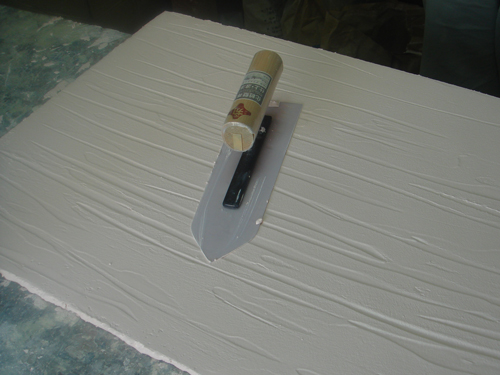 No.4
No.4
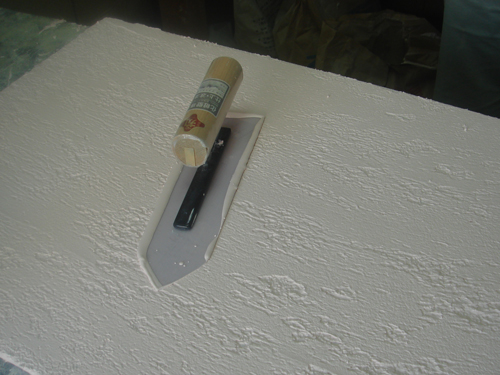 No. 5
No. 5
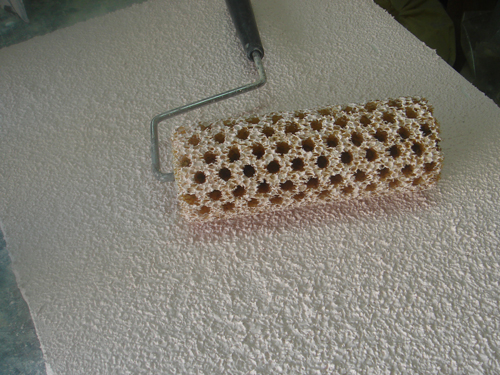 No. 6
No. 6
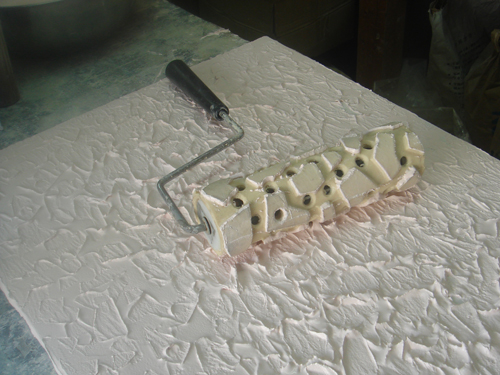 No.7
No.7
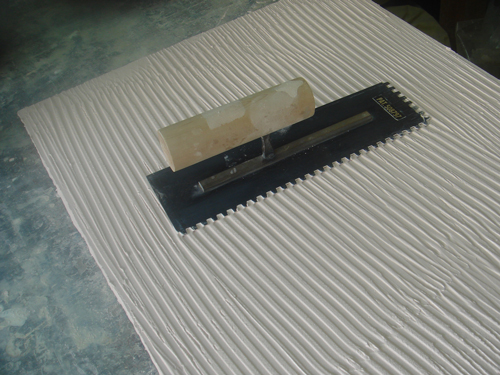 No. 8
No. 8
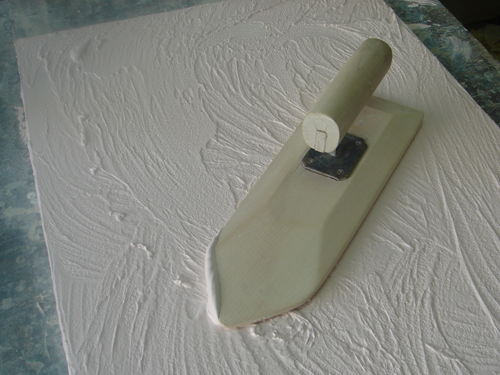 No. 9
No. 9
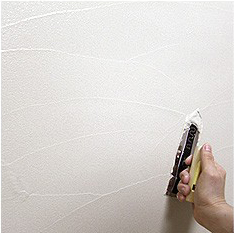 No. 10
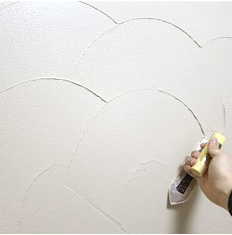 No. 11
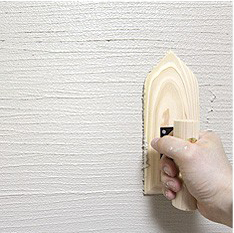 No. 12
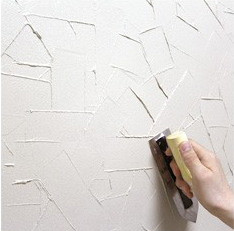 No. 13
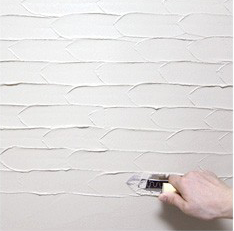 No. 14
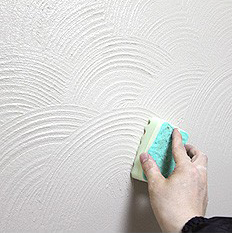 No. 15
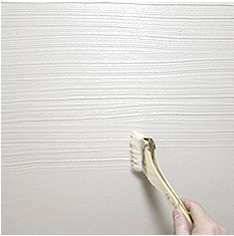 No. 16
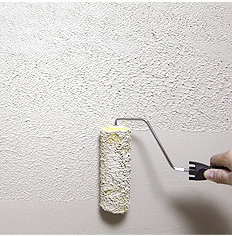 No. 17
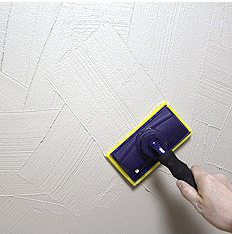 No. 18
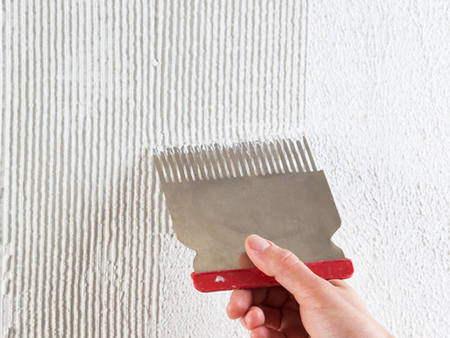 No. 19
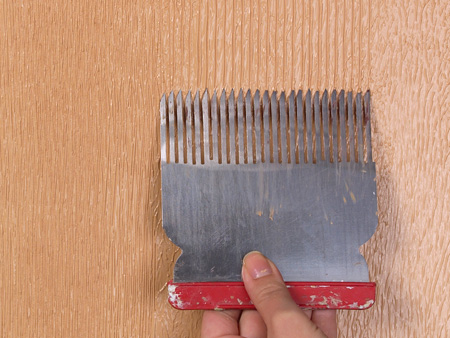 No. 20
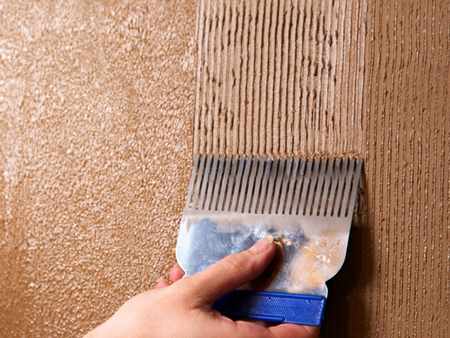 No. 21
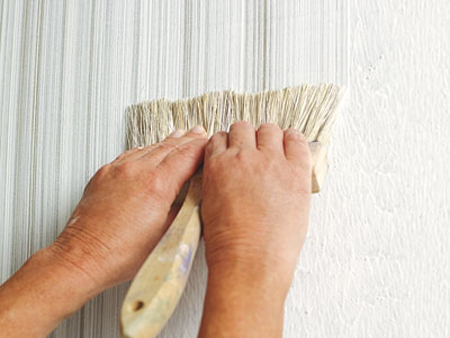 No. 22
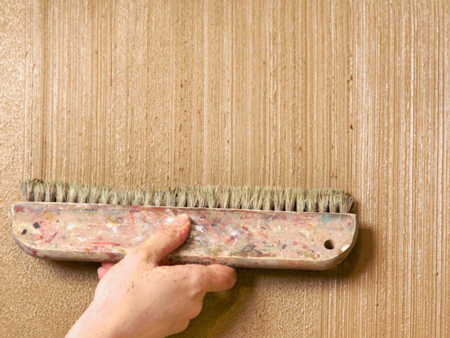 No. 23
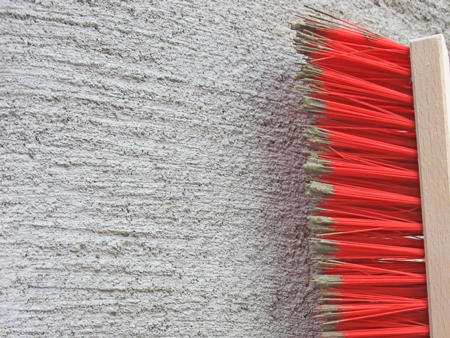 No. 24
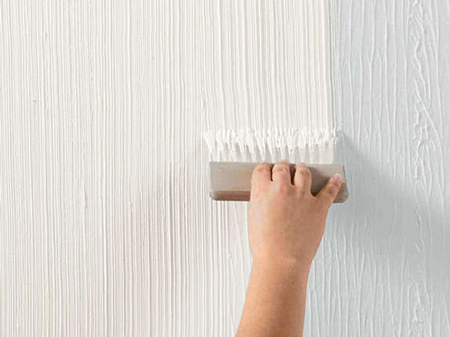 No. 25
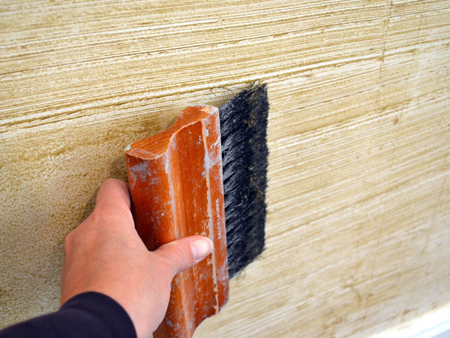 No. 26
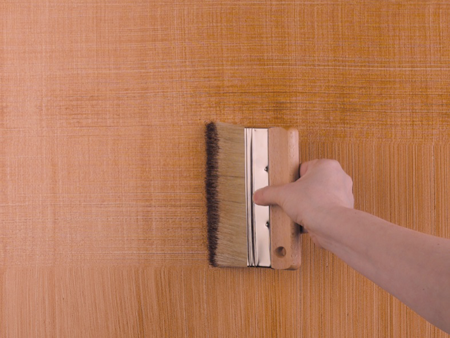 No. 27
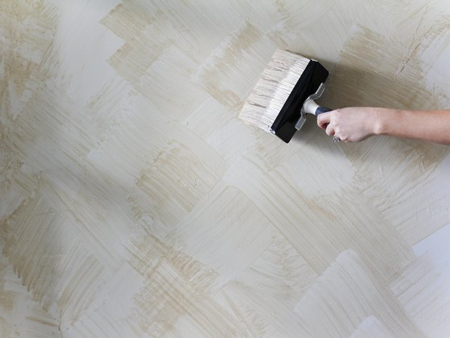 No. 28
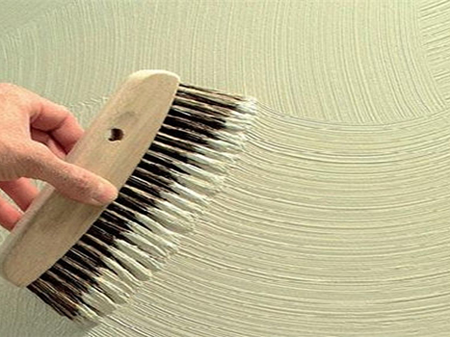 No. 29
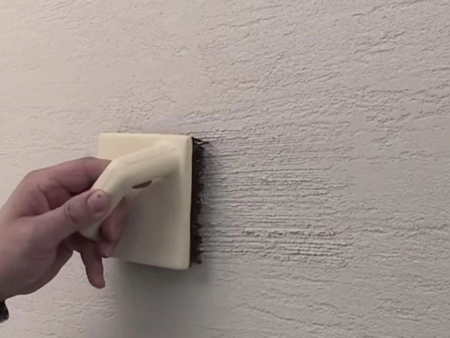 No. 30
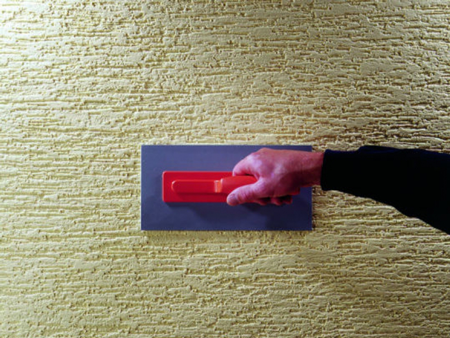 No. 31
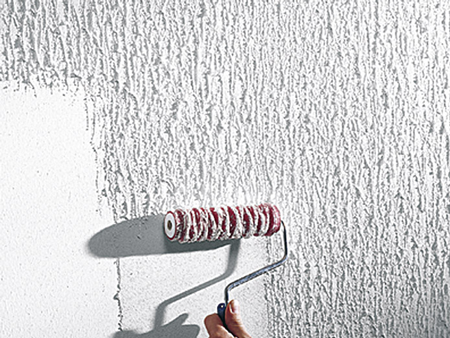 No. 32
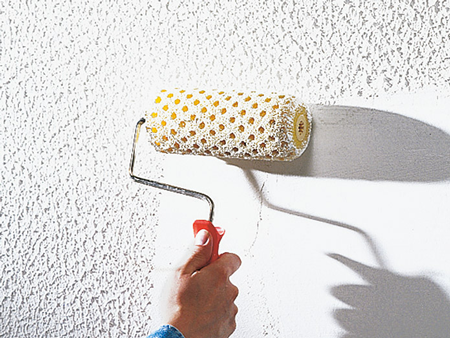 No. 33
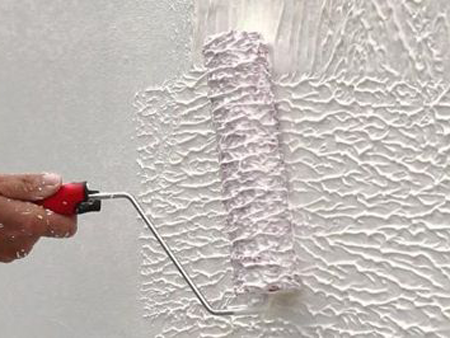 No. 34
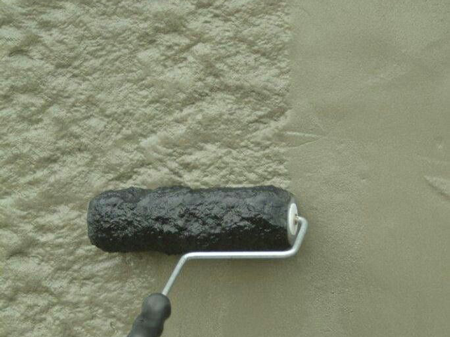 No. 35
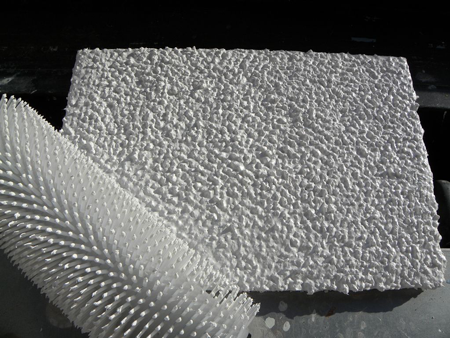 No. 36
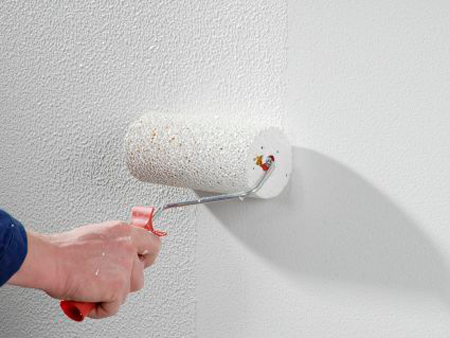 No. 37
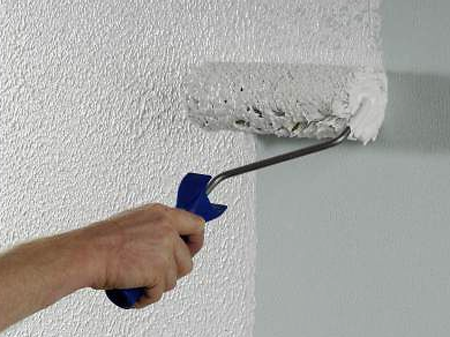 No. 38
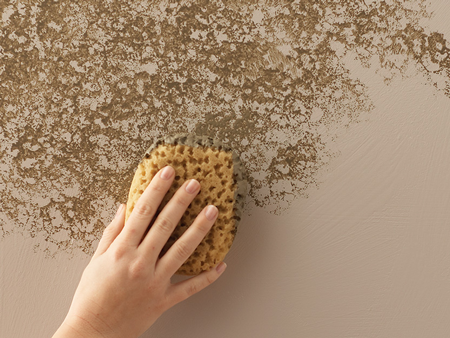 No. 39
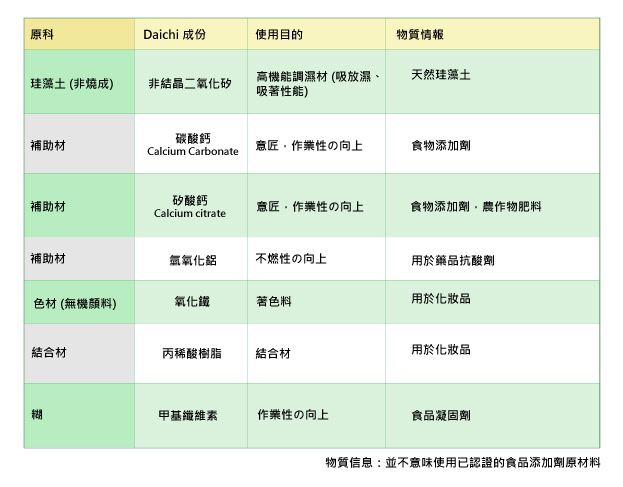
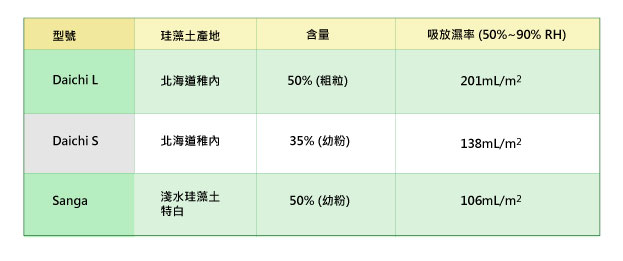
Product Components
Application Systems and Tips
Rough Surface System DL
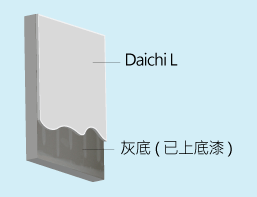
After levelling with base plaster and applying primer, apply Daichi L.
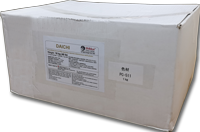
Daichi L (18kg) covers ~150 sqft (smooth finish; texture uses more).
Smooth Surface System DS
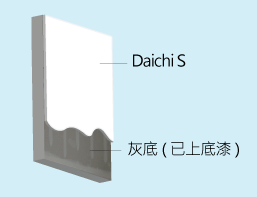
After levelling with base plaster and applying primer, apply Daichi S.
Daichi S (16.5kg) covers ~260 sqft (smooth finish; texture uses more).
Smooth Surface System DLS
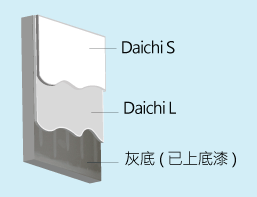
After levelling with base plaster and applying primer, apply Daichi L first, then Daichi S.
Daichi L (18kg) covers ~150 sqft; Daichi S (16.5kg) covers ~260 sqft (smooth finish; texture uses more).
Product Packaging
Application Tips
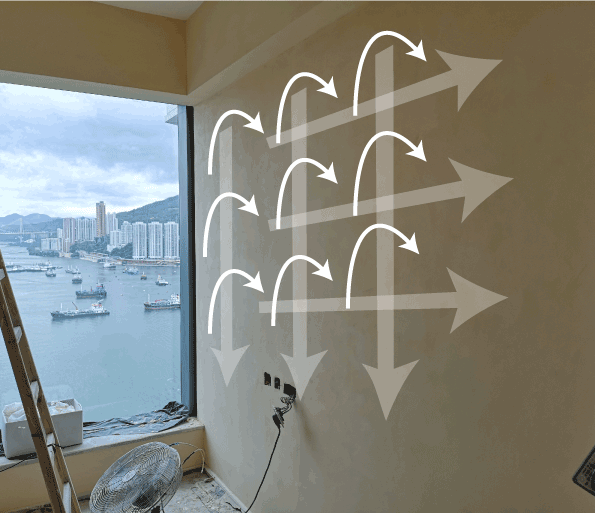
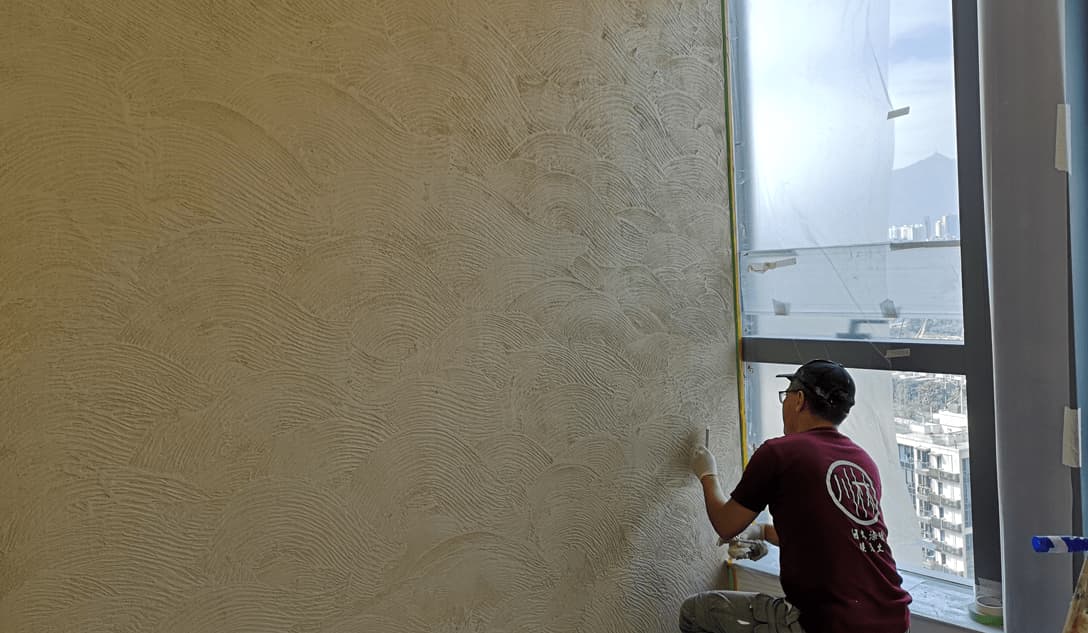
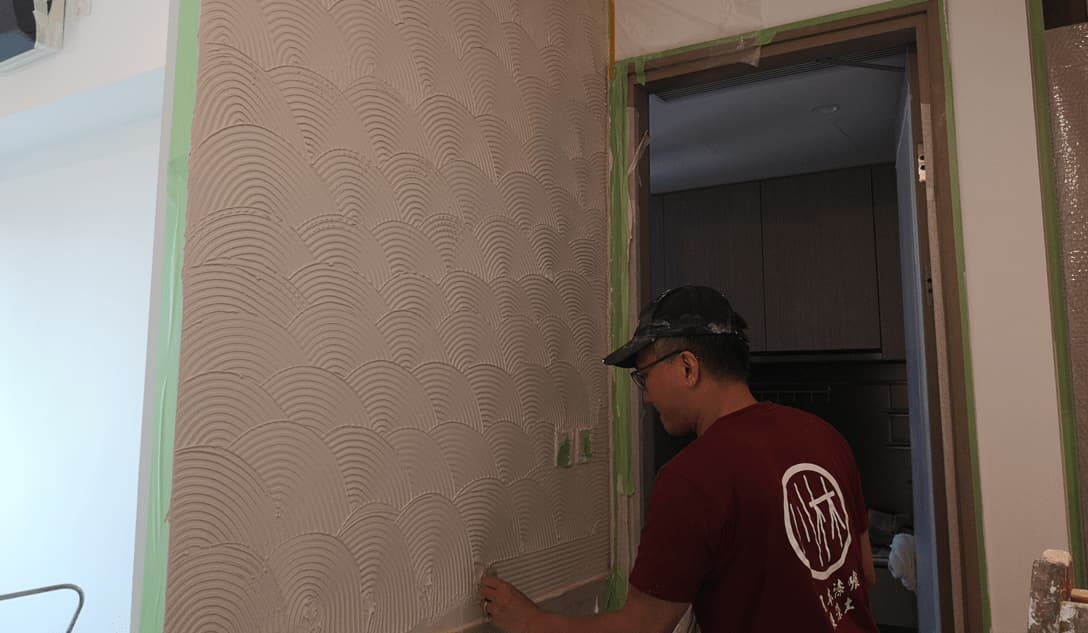
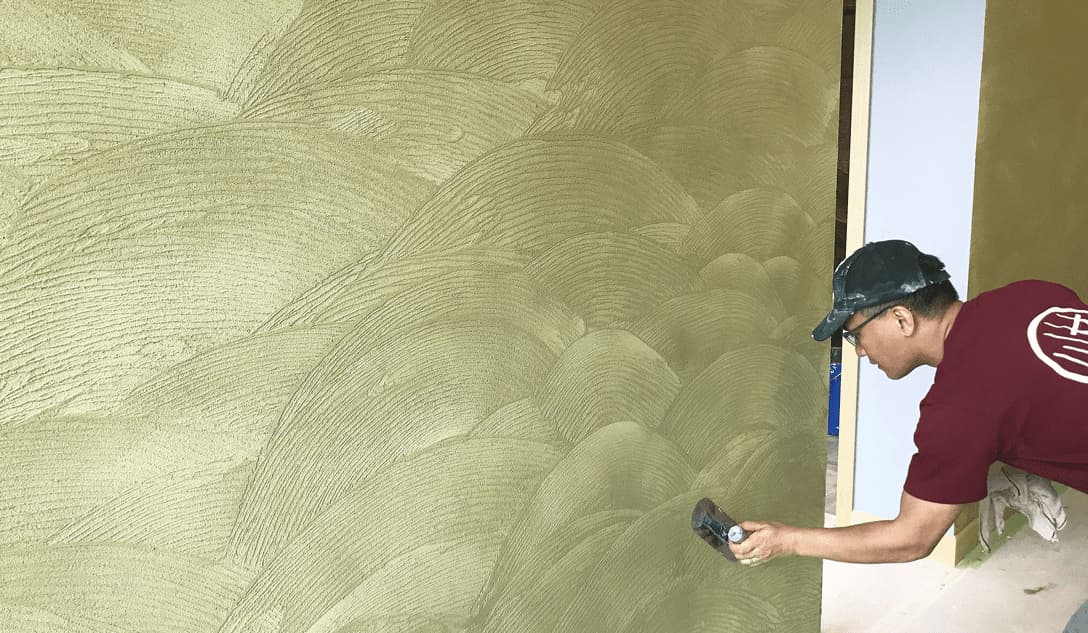
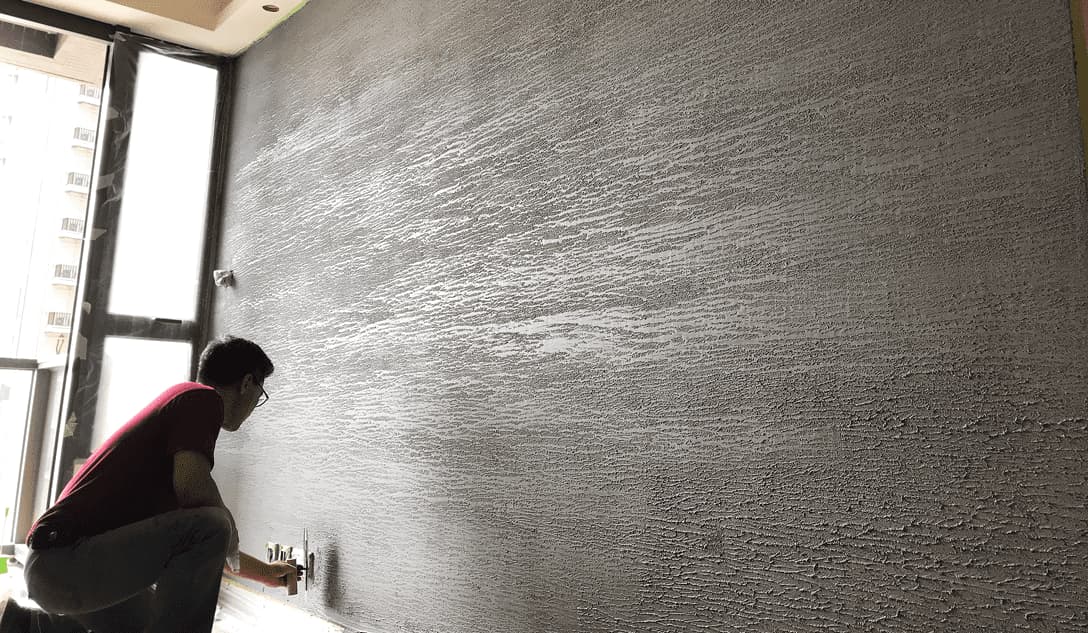
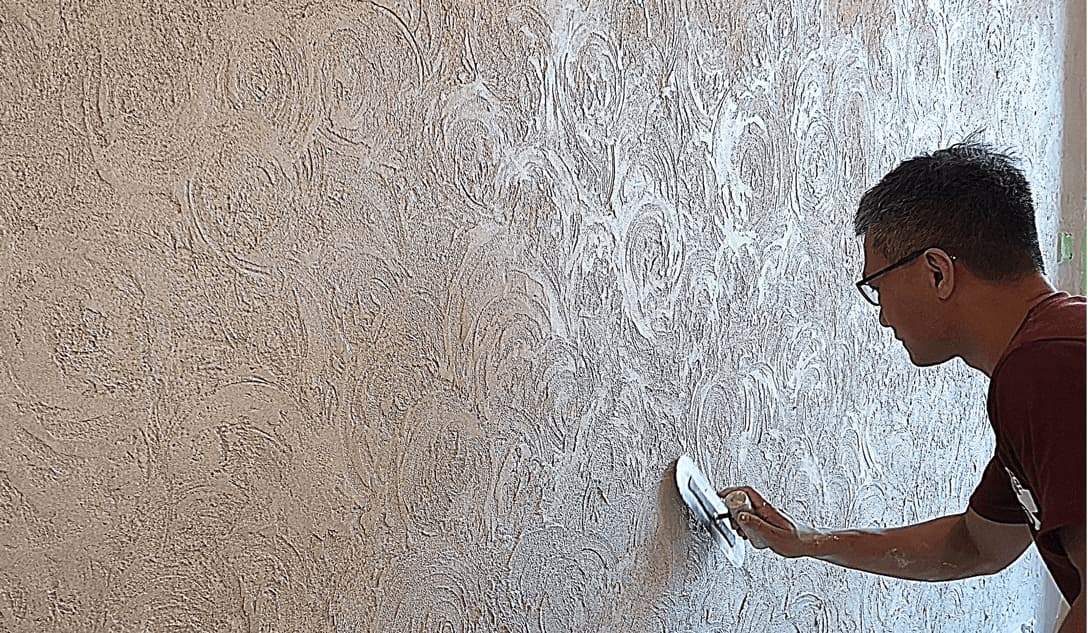
Daichi is easy to apply. Use natural strokes, avoid visible joins. Apply in semicircular motion, left-to-right (or right-to-left) and top-to-bottom. Polish to remove trowel marks.
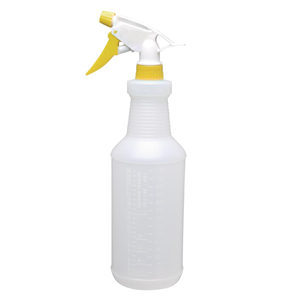
A spray bottle is essential. When polishing, if the surface is too dry, lightly mist with water for easier application.
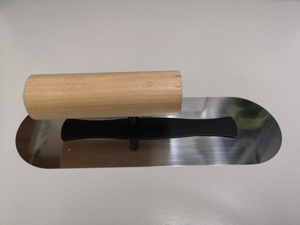
A quality polishing trowel makes the job easier and results better. Choose thin (0.3mm) and flexible trowels.
Color Selection
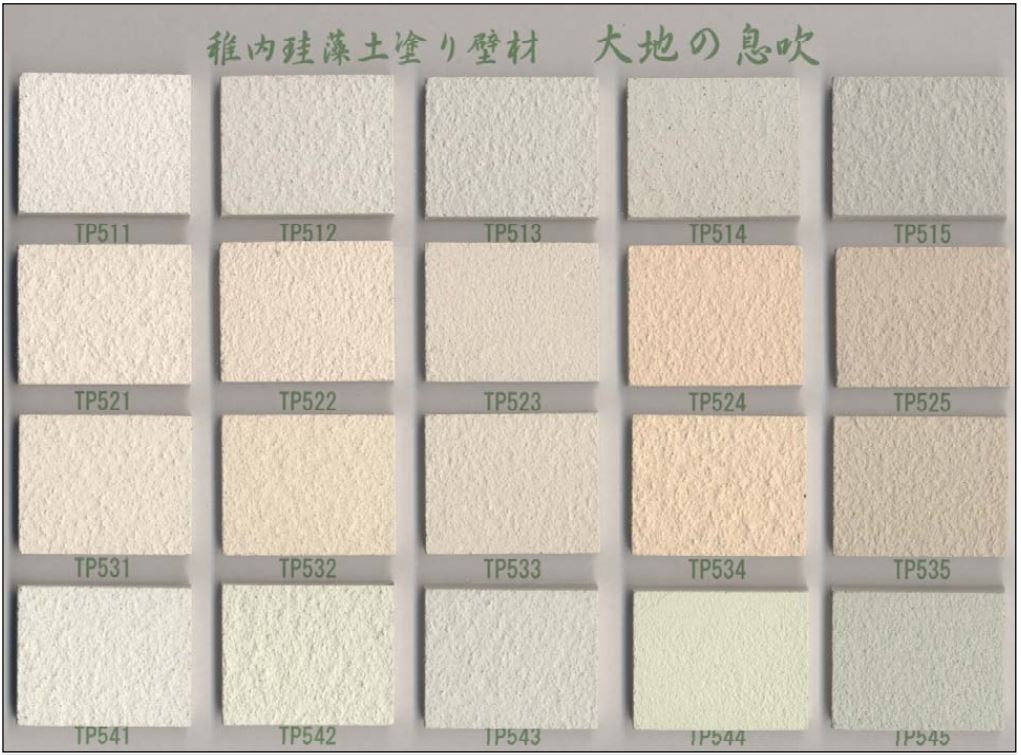
 TP511
TP511
 TP512
TP512
 TP513
TP514
TP513
TP514
 TP515
TP515
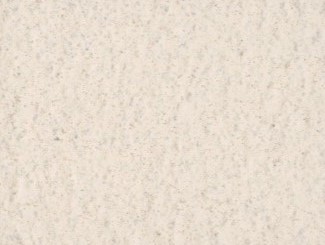 TP521
TP521
 TP522
TP522
 TP523
TP523
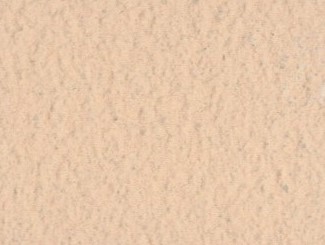 TP524
TP524
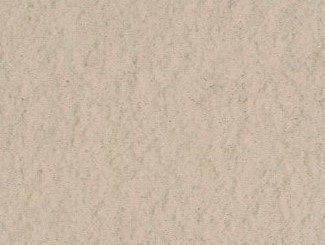 TP525
TP525
 TP531
TP531
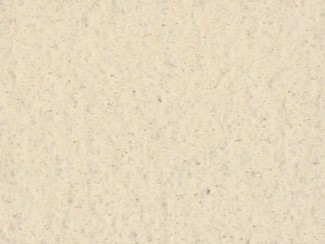 TP532
TP532
 TP533
TP533
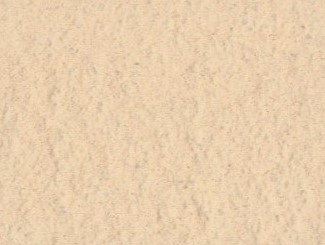 TP534
TP534
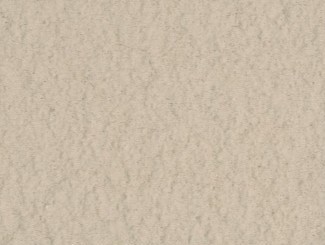 TP535
TP535
 TP541
TP541
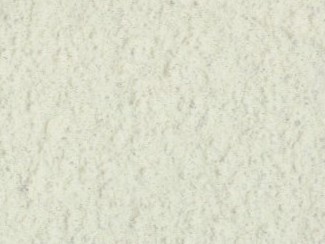 TP542
TP542
 TP543
TP543
 TP544
TP544
 TP545
TP545
-
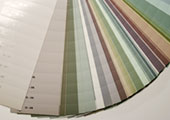
Custom colours are available. Contact us to match existing wall colours or create your own. (Inorganic pigments - please ask about colour range)
Catalog Download